
Le Pont de la Tournelle, l’île Saint-Louis, l’île Louviers — History & Facts
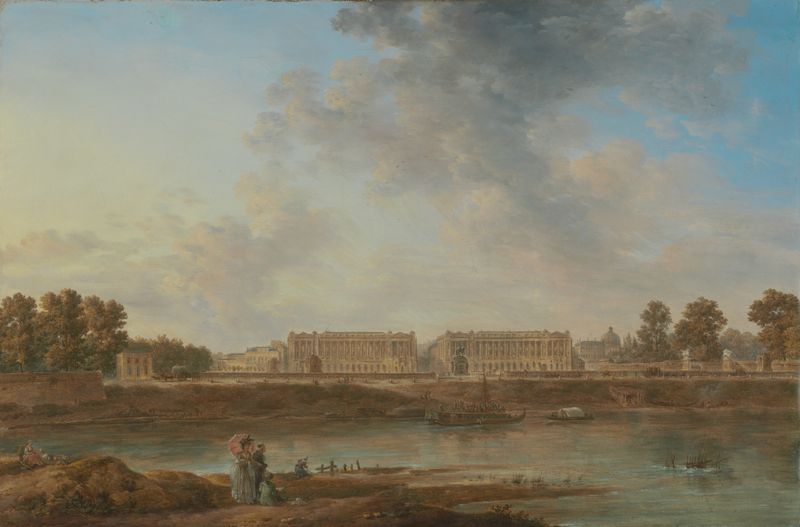
Is this a mirror — or a memory? The tranquil waters reflect the delicate balance between nature and architecture, whispering stories of a bygone era while inviting the viewer to ponder their own existence within the frame. Look closely at the horizon where the bridge arches gracefully over the Seine; this is where your gaze should begin. The soft palette of blues and greens conveys serenity, while the billowing clouds overhead contrast sharply with the sturdy stone structure below. Notice how the light dances on the river’s surface, creating a shimmering pathway that seems to connect the past with the present.
The positioning of the buildings on either side further emphasizes the harmony of the composition, drawing the eye toward the bridge as a symbol of connection. Beneath the surface lies a deeper exploration of balance — not just of architectural elements, but of human experience and nature. The juxtaposition of the still water with the dynamic clouds above captures a moment of tranquility amid the inevitable march of time. The presence of the bridge signifies not merely a physical crossing but also the emotional journey between memories and aspirations, evoking the universal struggle to find stability in the ebb and flow of life. At the time Le Pont de la Tournelle, l’île Saint-Louis, l’île Louviers was painted in 1780, Alexandre-Jean Noël was establishing his career in Paris, where neoclassicism was gaining prominence.
This painting emerged during a period of political unrest in France, just before the Revolution, reflecting a longing for beauty and balance amidst societal upheaval. Noël’s work captures a moment in which art served as both an escape and a reflection of the world around him.
More Artworks by Alexandre-Jean Noël
Browse all →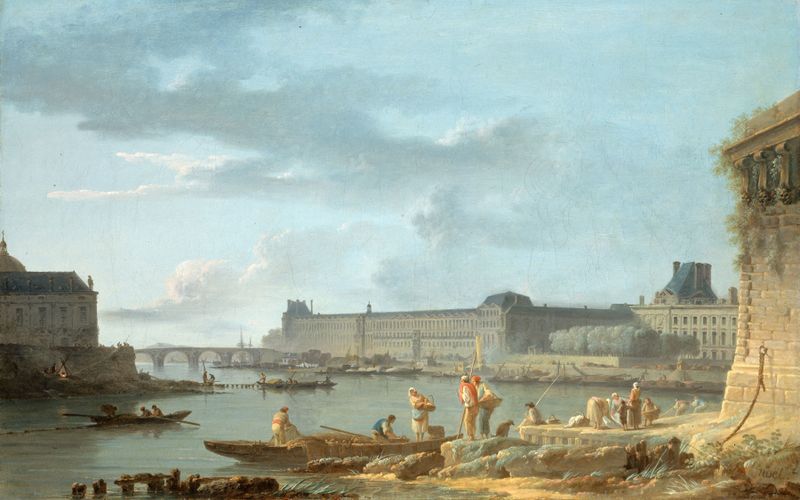
Le Pont Royal et le Louvre, vus du terre-plein du Pont-Neuf
Alexandre-Jean Noël
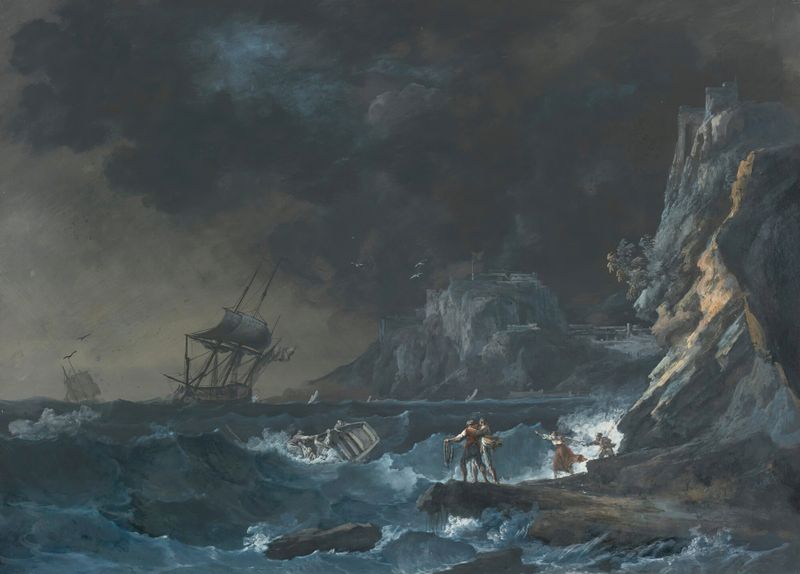
Ships On A Stormy Sea, With Figures On The Shore
Alexandre-Jean Noël
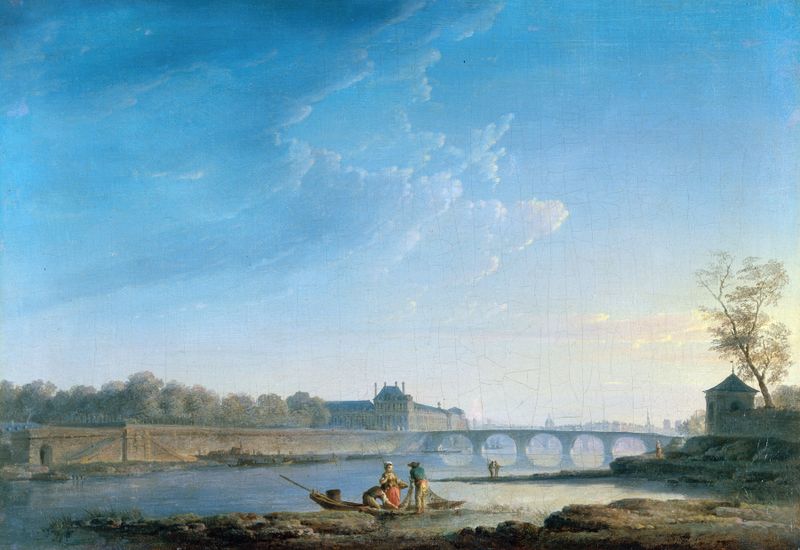
Le quai des Tuileries, le Pont-Royal, la Grenouillère
Alexandre-Jean Noël
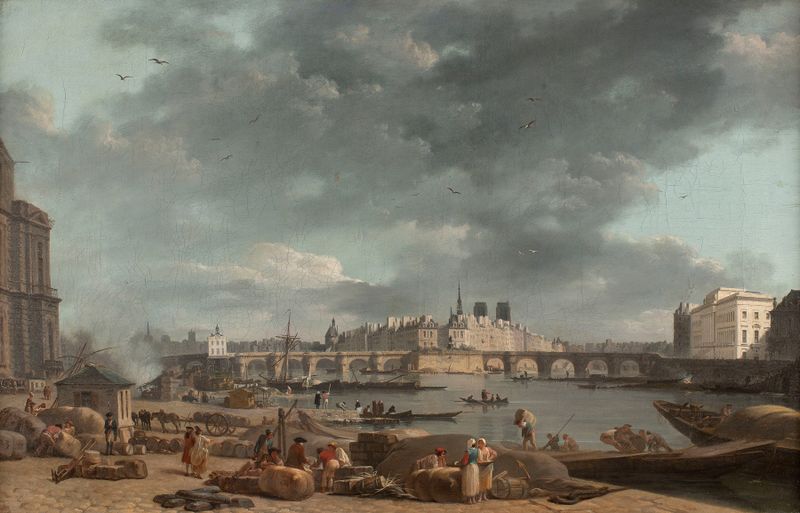
La pointe de l’île de la Cité, vue du port Saint-Nicolas
Alexandre-Jean Noël
A View of Place Louis XV
Alexandre-Jean Noël





