
Le Pont De Moret Et Les Moulins – Effet D’hiver — History & Facts
In the soft embrace of winter, light transforms everything it touches, revealing beauty hidden in the mundane. Look to the left at the gentle arch of the bridge, its sturdy structure juxtaposed against the delicate dance of snowflakes drifting down. The palette is a harmonious blend of grays and whites, punctuated by earthy browns, creating a serene atmosphere that invites contemplation. Notice how the cool light reflects off the frozen water, casting shimmering patterns that guide your gaze and evoke a sense of quiet stillness throughout the scene. The painting captures a moment of tranquility amid change, embodying the transformative power of nature.
The way the wind subtly shifts the snow highlights the ephemeral quality of the season, suggesting transition and the passage of time. Sisley’s brushstrokes, both loose and deliberate, create a sense of movement that contrasts with the stillness, inviting viewers to ponder the delicate balance between permanence and impermanence. Alfred Sisley painted Le Pont De Moret Et Les Moulins – Effet D’hiver in 1890 while living in Moret-sur-Loing, a picturesque village in France. At this time, he was deeply engaged with Impressionism, a movement emphasizing the play of natural light and atmosphere.
His personal life was marked by financial challenges, yet his commitment to capturing the essence of seasonal change remained steadfast, reflecting a spirit of resilience that is palpable in this winter landscape.
More Artworks by Alfred Sisley
Browse all →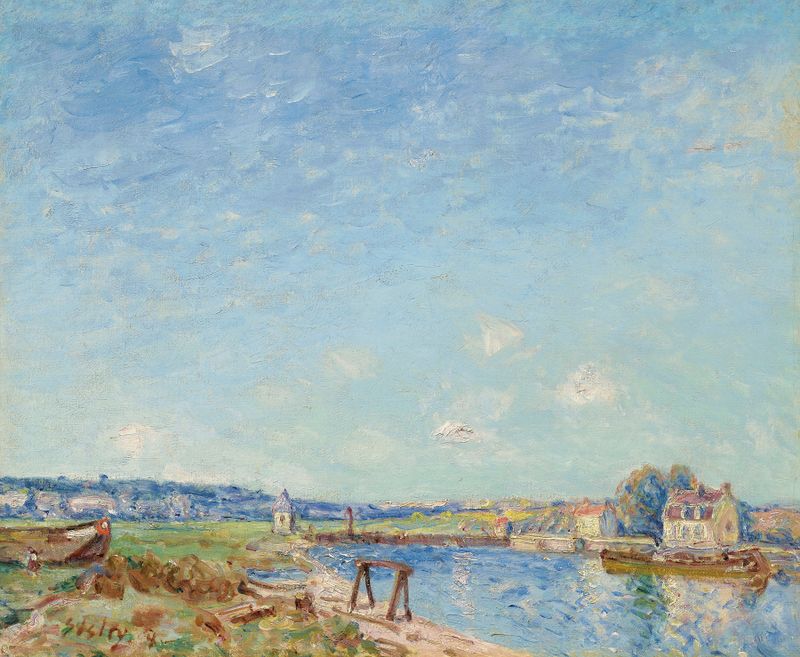
Le Loing à Saint-Mammès
Alfred Sisley
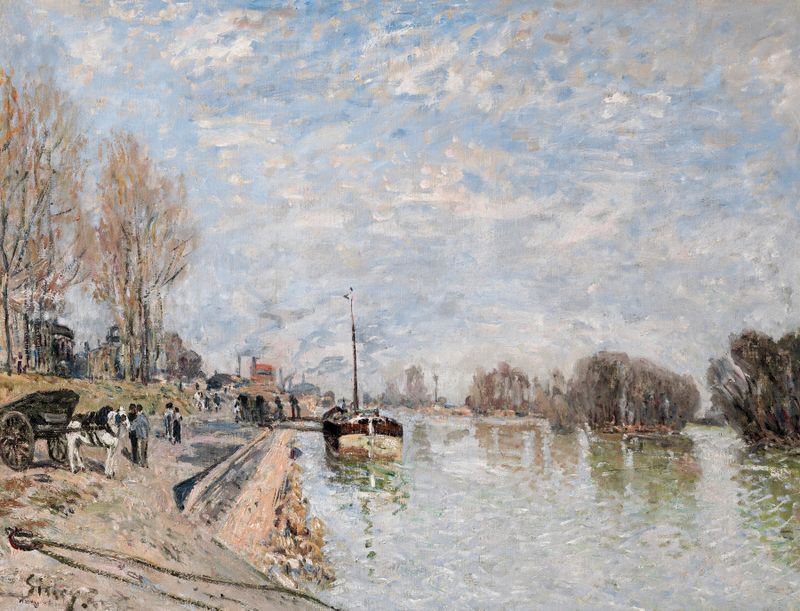
La Seine à Suresnes
Alfred Sisley
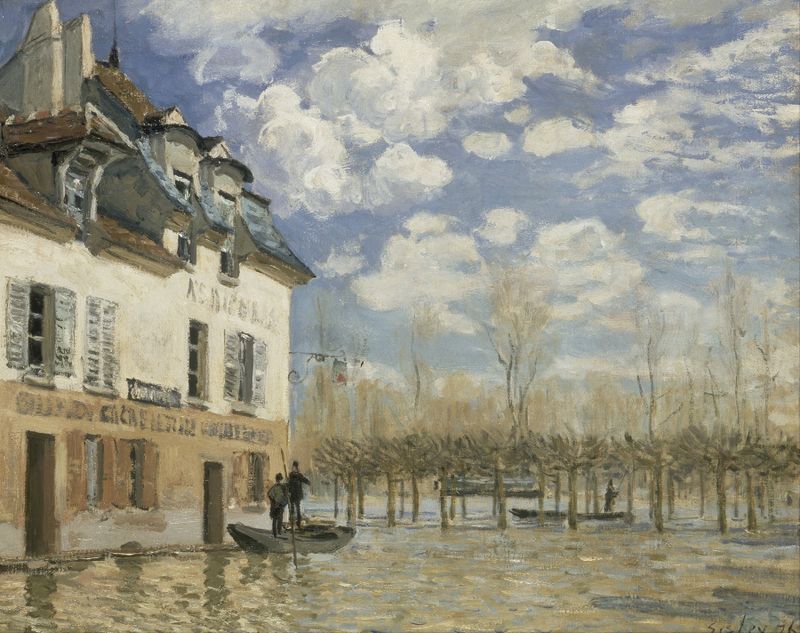
Boat in the Flood at Port Marly
Alfred Sisley
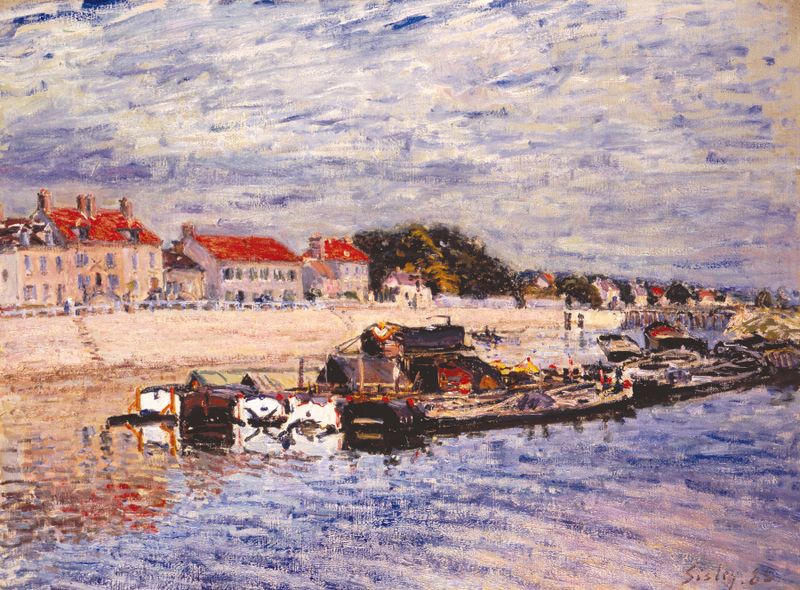
Barges on the Loing at Saint-Mammès
Alfred Sisley

L’allée des peupliers au bord du Loing
Alfred Sisley

Molesey Weir, Hampton Court
Alfred Sisley
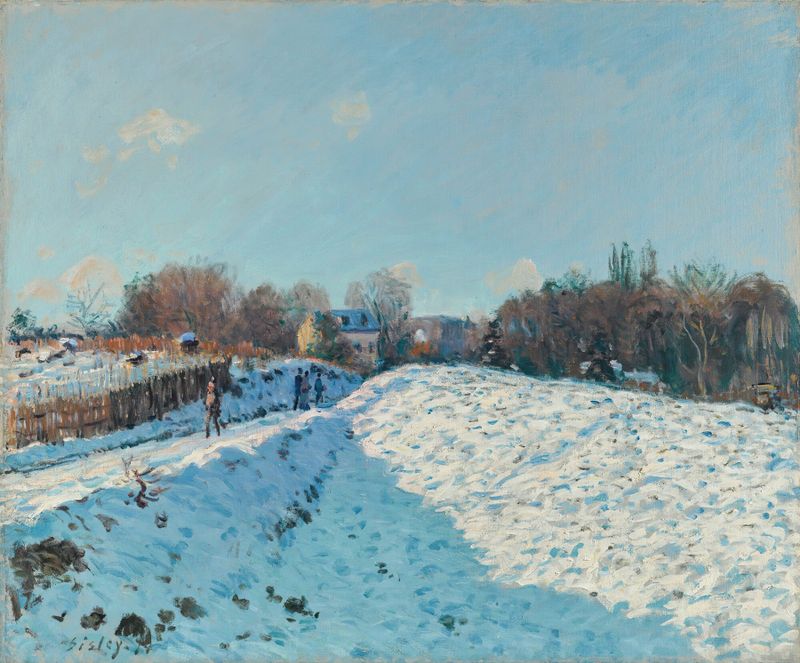
Effet De Neige À Louveciennes
Alfred Sisley
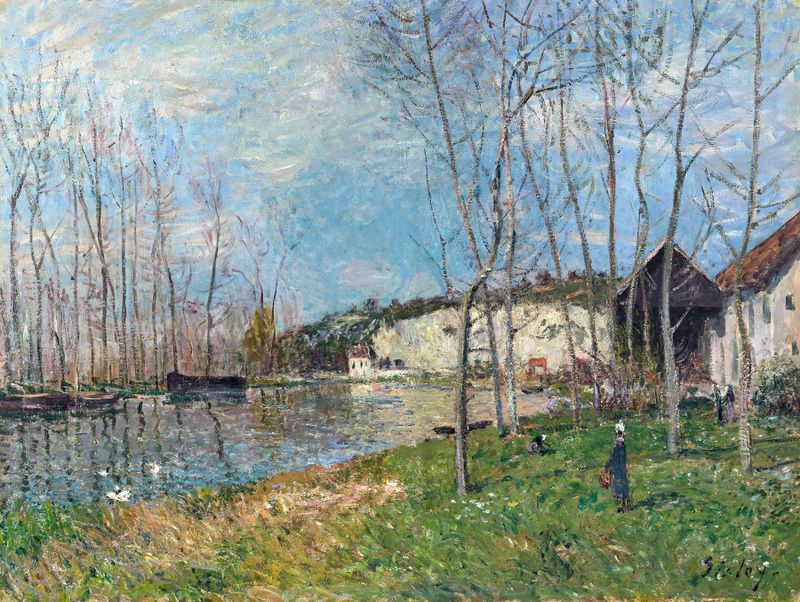
Printemps au bord du Loing
Alfred Sisley
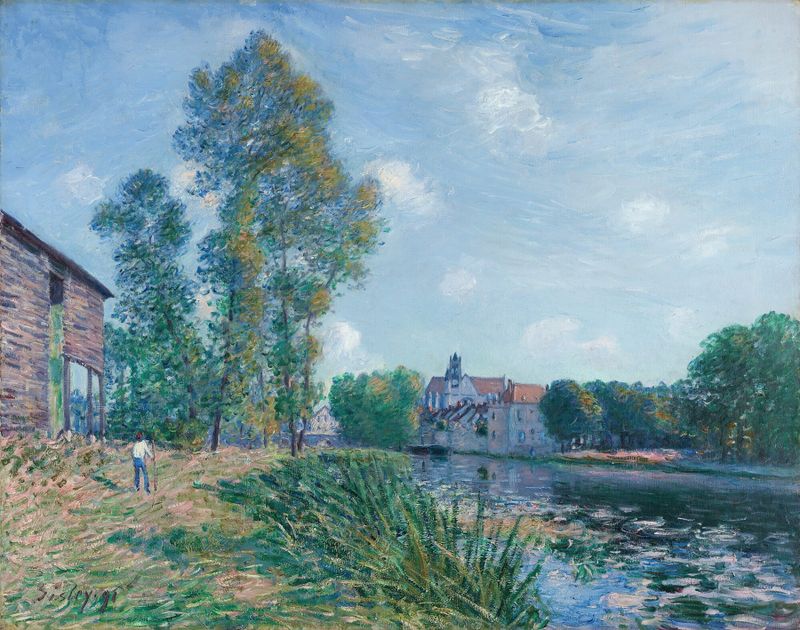
Le Loing À Moret, En Été
Alfred Sisley
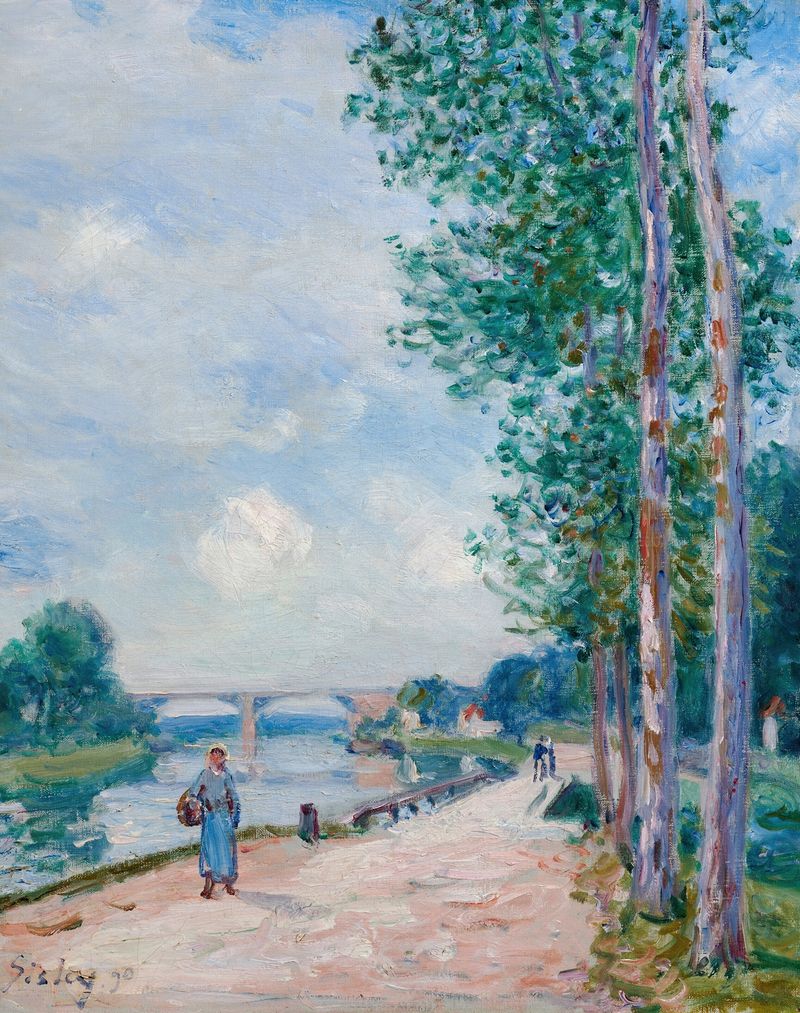
Les bords du Loing près de Moret
Alfred Sisley





