
Le pont du chemin de fer — History & Facts
Can beauty exist without sorrow? In Le pont du chemin de fer, a fleeting moment encapsulates the divine interplay of light and shadow, where nature gracefully bows to the presence of human creation. Look to the center, where the railway bridge boldly arcs over the shimmering water, its structure juxtaposing the tranquility of the scene. Notice how the soft blues and greens of the landscape are pierced by the sun’s warm rays, illuminating the gentle ripples below. The brushwork is fluid yet precise, allowing the viewer to feel the breeze rustling through the leaves, while the clouds above appear almost ethereal, hinting at the transient nature of the moment captured. Within this serene landscape lies a subtle tension—a contrast between the industriousness of the bridge and the peaceful countryside that envelops it.
The reflections in the water evoke a sense of duality, as if suggesting that progress and nature must coexist. This interplay embodies a profound emotional resonance, reminding us that beauty often emerges from the juxtaposition of human endeavors and the serenity of the natural world, each enriching the other. In 1880, Alfred Sisley painted this work while living in France, surrounded by the Impressionist movement that sought to capture fleeting moments of light and color. At that time, he was grappling with financial struggles and the complexities of artistic identity, yet he found solace in the landscapes that inspired him.
The melding of nature and human life in this painting reflects Sisley’s commitment to portraying the world with both honesty and grace amidst the changing tides of modernity.
More Artworks by Alfred Sisley
Browse all →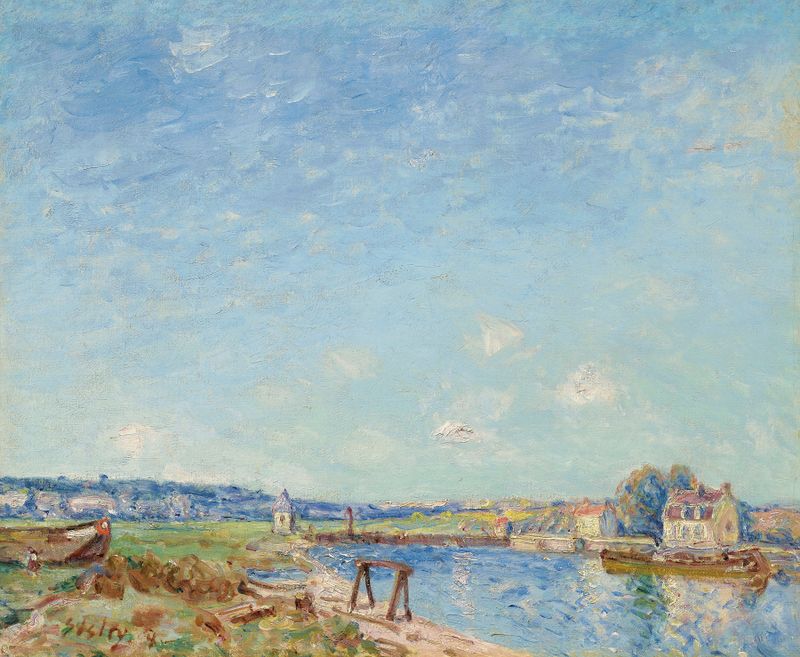
Le Loing à Saint-Mammès
Alfred Sisley
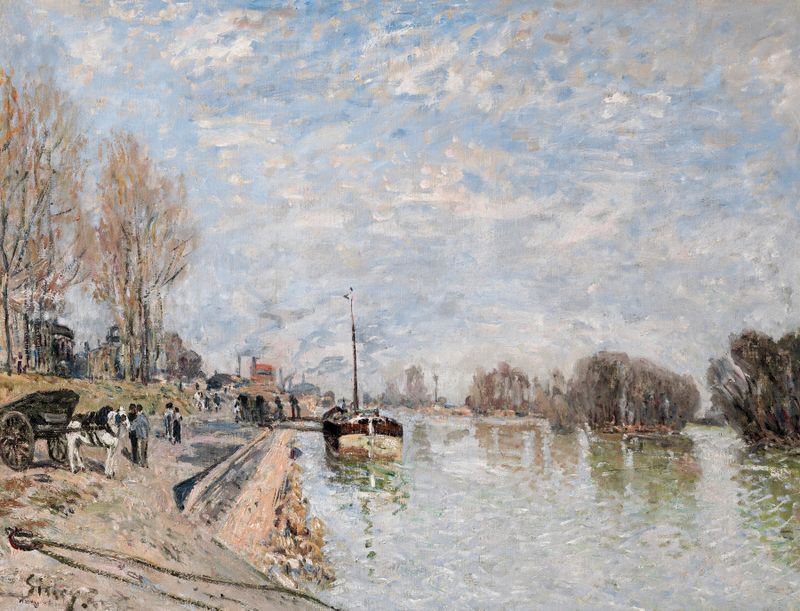
La Seine à Suresnes
Alfred Sisley
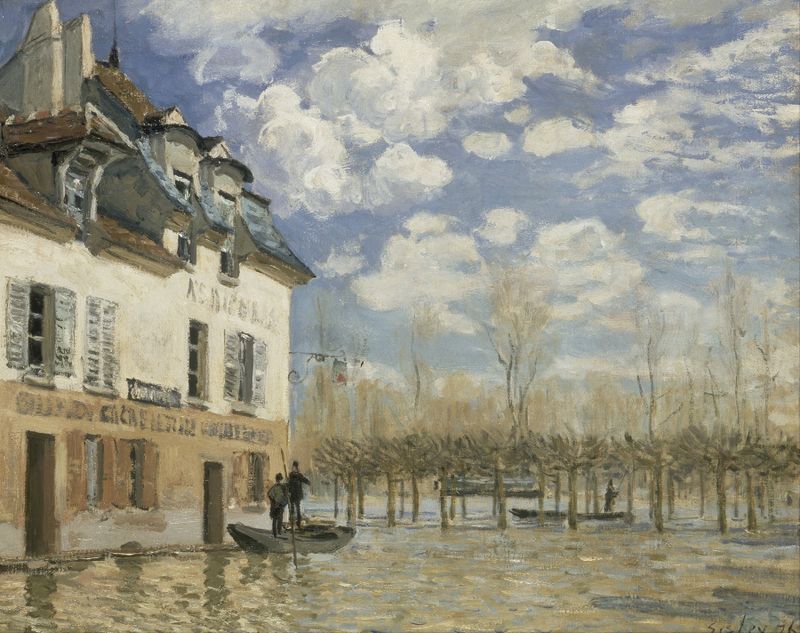
Boat in the Flood at Port Marly
Alfred Sisley
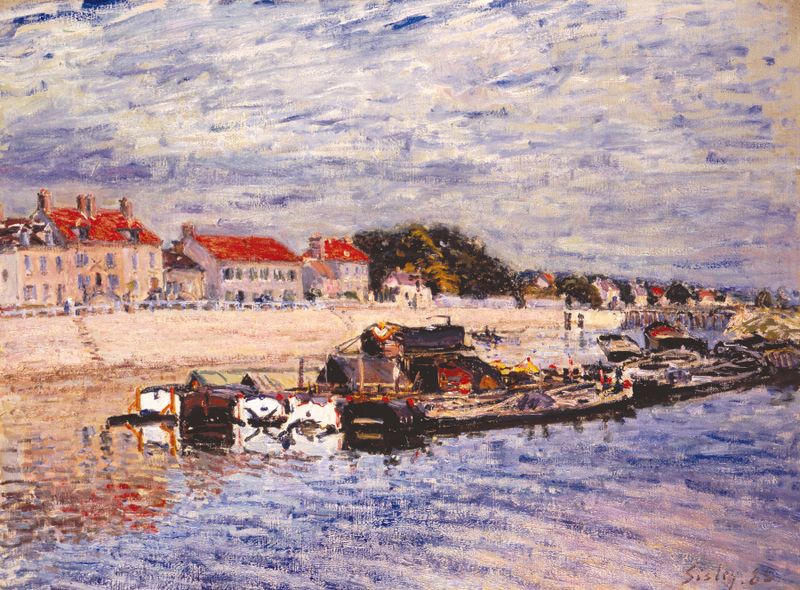
Barges on the Loing at Saint-Mammès
Alfred Sisley

L’allée des peupliers au bord du Loing
Alfred Sisley

Molesey Weir, Hampton Court
Alfred Sisley
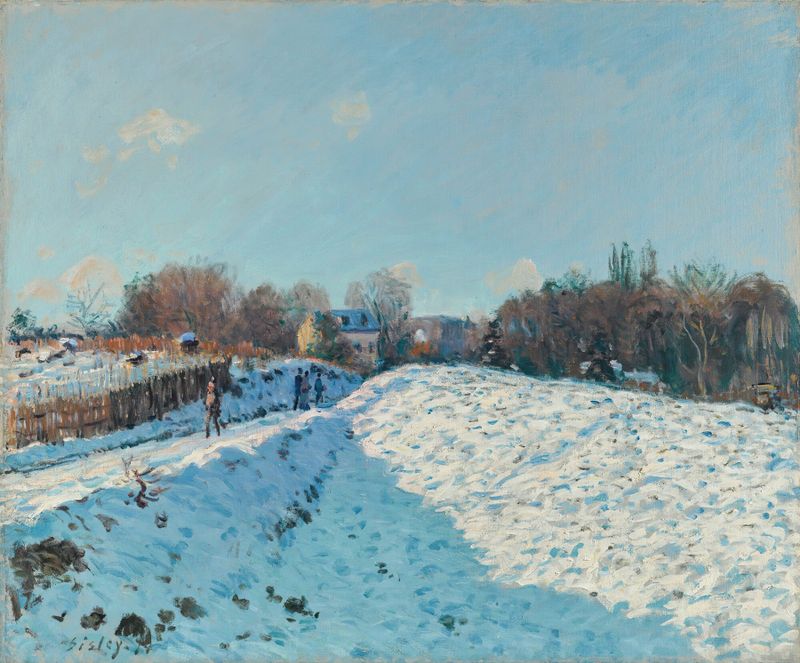
Effet De Neige À Louveciennes
Alfred Sisley
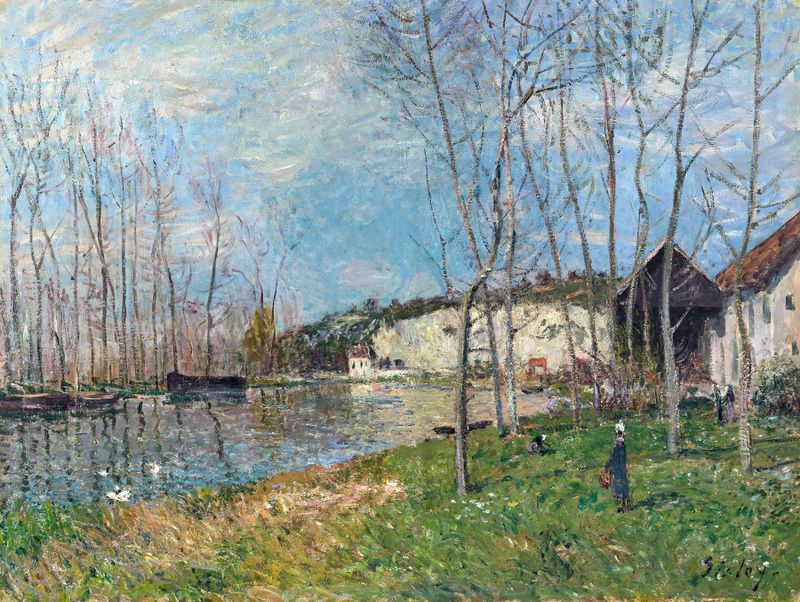
Printemps au bord du Loing
Alfred Sisley
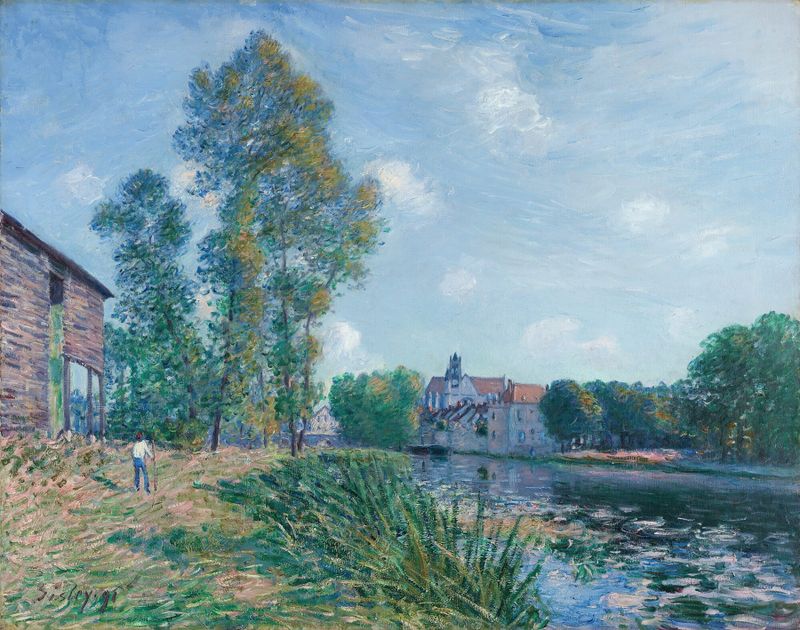
Le Loing À Moret, En Été
Alfred Sisley
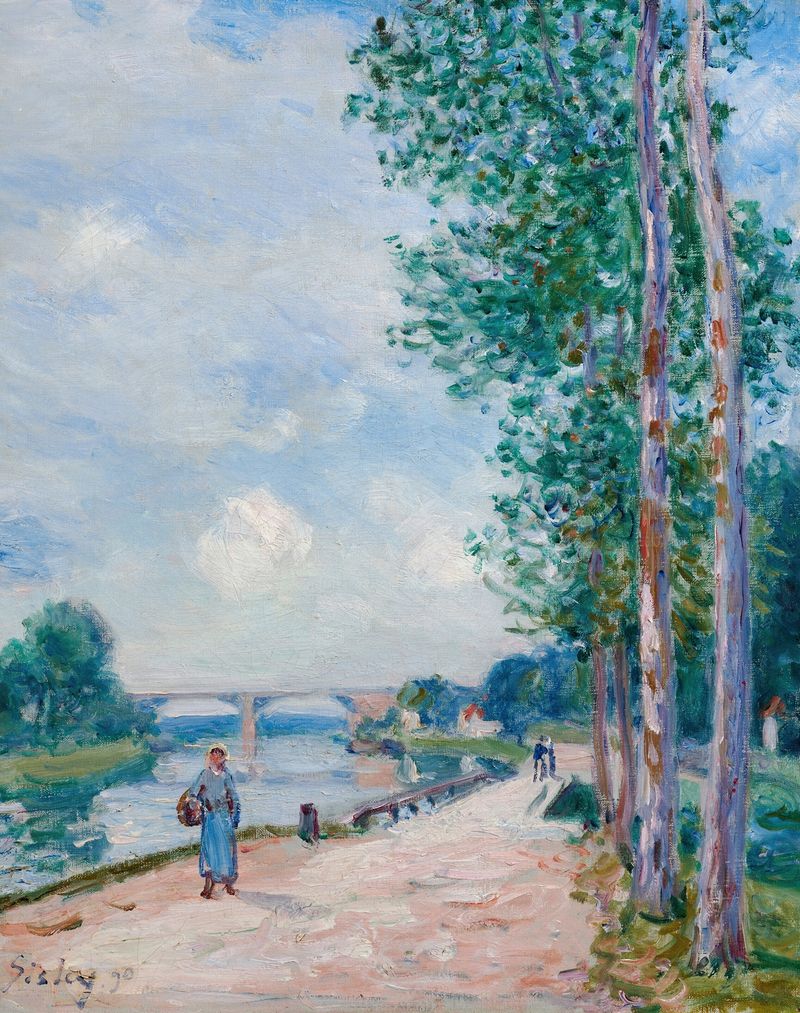
Les bords du Loing près de Moret
Alfred Sisley





