
Le Quai Saint-Martin, Auxerre — History & Facts
In an age where moments slip through our fingers like sand, how do we seize the ephemeral and immortalize it? Look closely at the canvas, where the soft hues of blue and green meet the warm blush of ochre. The sky, a gentle gradient, draws your gaze upward, while the reflections in the water shimmer with a poetic luminescence. Notice how brushstrokes dance, creating a textured surface that conjures the gentle ripples of the river, inviting you into this tranquil moment.
Each detail, from the quaint buildings lining the quai to the delicate interplay of light and shadow, tells a story of place and time, evoking a serene and contemplative atmosphere. Beneath the surface, the painting speaks of contrasts — the juxtaposition of stillness against the fluidity of water, and the vibrant colors against the muted tones of the environment. The presence of the figures, though small, suggests life and movement, capturing the essence of daily existence while simultaneously inviting a pause for reflection. This balance between the mundane and the transcendent allows viewers to feel as though they are part of the scene, caught in a fleeting moment that transcends time. In 1912, Gustave Loiseau painted this work in Auxerre, a period marked by a burgeoning interest in Impressionism and Post-Impressionism.
Loiseau, influenced by both the natural beauty surrounding him and the shifting tides of the art world, sought to capture the essence of his environment. At this time, he was developing his own style, focusing on light and atmosphere, and Le Quai Saint-Martin stands as a testament to his mastery of these elements, inviting us to linger in the stillness of the moment.
More Artworks by Gustave Loiseau
Browse all →
Rue de village en Normandie
Gustave Loiseau
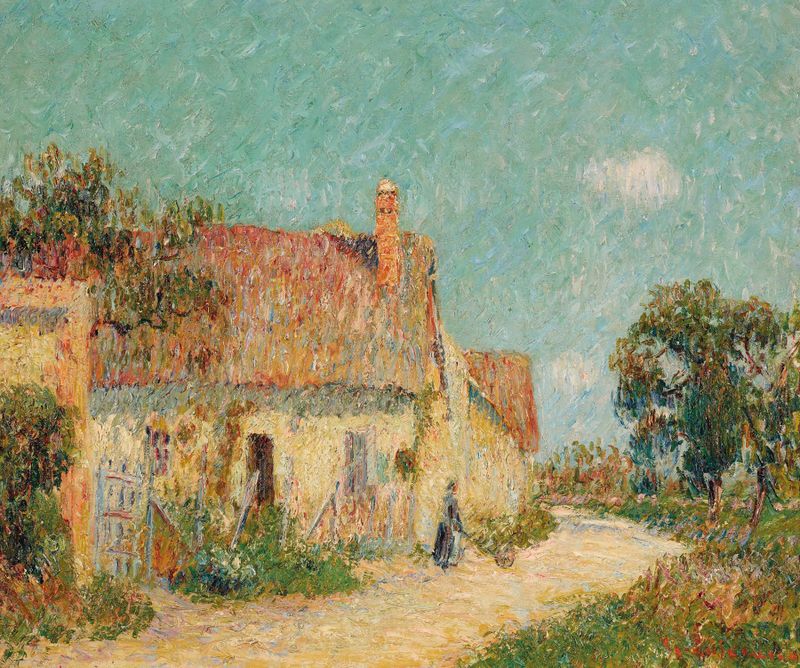
Chaumière en Normandie
Gustave Loiseau

Paysage d’Hiver à Chaponval
Gustave Loiseau
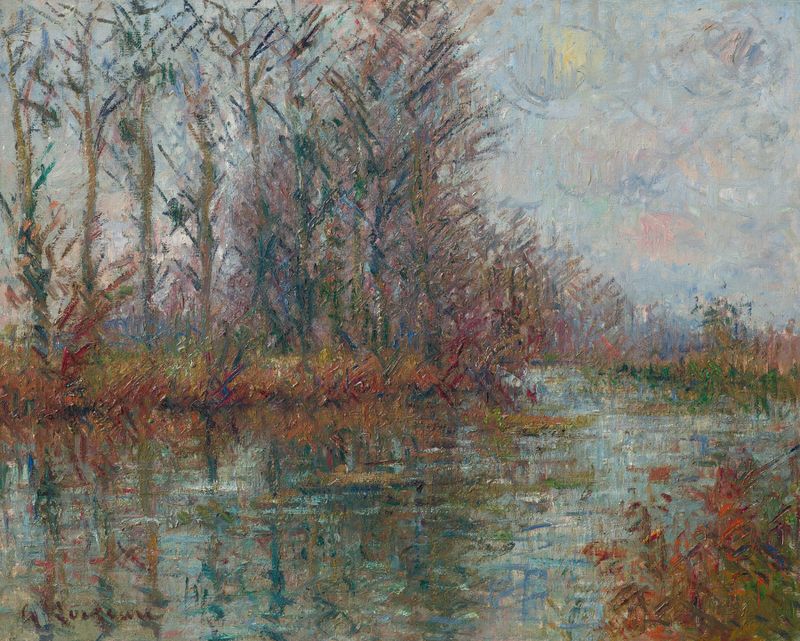
Tournant de rivière, L’Eure
Gustave Loiseau

Pont Marie, Paris
Gustave Loiseau

Le Bras De Mer
Gustave Loiseau

Le Pont Suspendu À Triel
Gustave Loiseau

Bord de la rivière
Gustave Loiseau
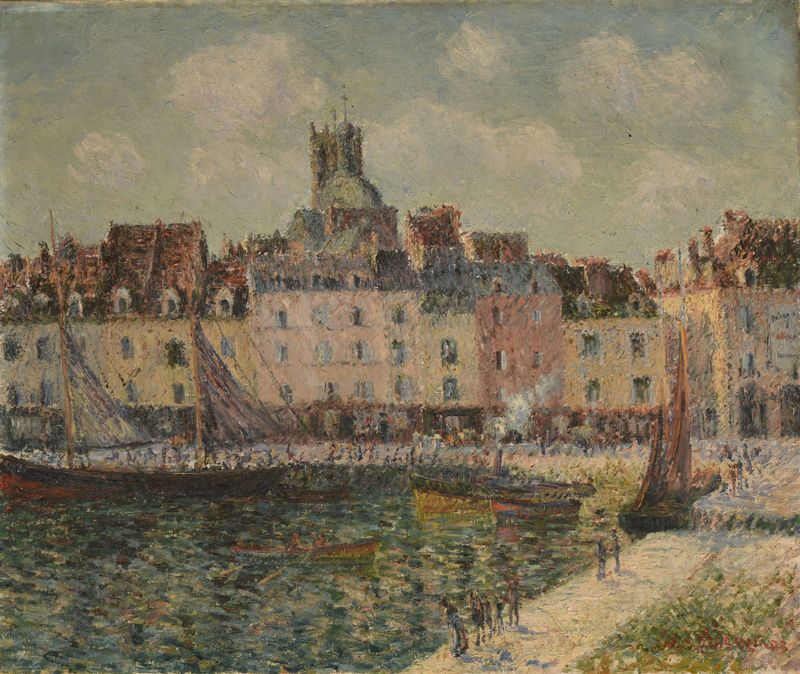
Le Quai Duquesne à Dieppe
Gustave Loiseau

Rocher la Teignouse, Cap Fréhel
Gustave Loiseau





