
Le Sénat vu du Luxembourg — History & Facts
Could beauty survive in a century of chaos? In Le Sénat vu du Luxembourg, Félix Vallotton captures a moment where the elegance of architecture stands resilient, yet fragile amidst the tumult of change. The painting invites reflection upon the delicate balance between permanence and the inevitable passage of time, offering viewers a glimpse into a world teetering on the brink. Look to the foreground, where the lush greenery anchors the composition, leading your eye to the grand facade of the Sénat. Notice the interplay of light and shadow that gives depth to the scene; the golden sunlight filters through the leaves, creating a warm glow that contrasts with the cool tones of the building’s stone.
The meticulous brushwork reveals Vallotton's keen attention to detail, allowing the viewer to appreciate the nuances in texture and color that breathe life into this serene yet stately setting. Hidden within the tranquil beauty are themes of transience and stability. The juxtaposition of the meticulously crafted architecture against the soft, ephemeral foliage evokes a sense of tension—the artifice of civilization battling against the relentless forces of nature. Each stroke serves as a reminder of the fragility of beauty, as the viewer contemplates the fate of such elegance in a world rife with uncertainty and conflict. In 1893, Vallotton painted this work in Paris, a city at the heart of artistic innovation and social upheaval.
The late 19th century was marked by rapid change, both politically and culturally, as France navigated the aftermath of the Franco-Prussian War and the rise of modernism. This context informs Vallotton's portrayal of the Sénat, reflecting not only the architectural grandeur of his surroundings but also the precarious nature of beauty within a shifting society.
More Artworks by Félix Vallotton
Browse all →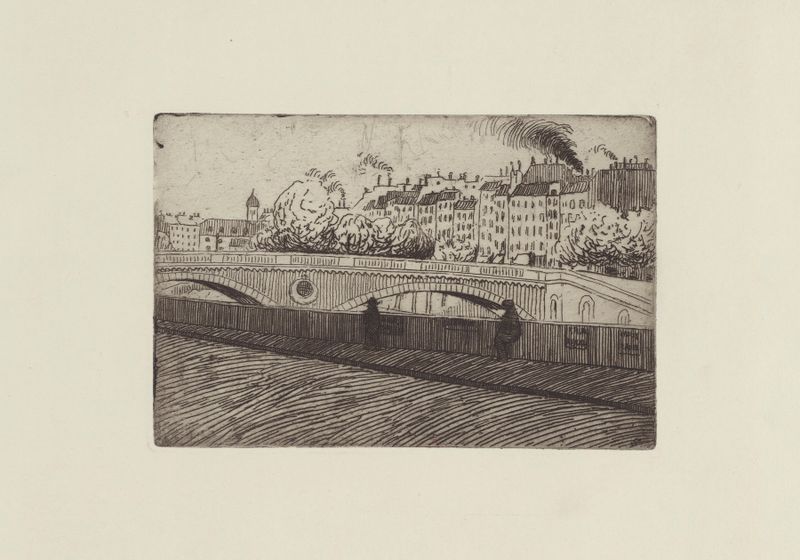
Le pont St Michel
Félix Vallotton
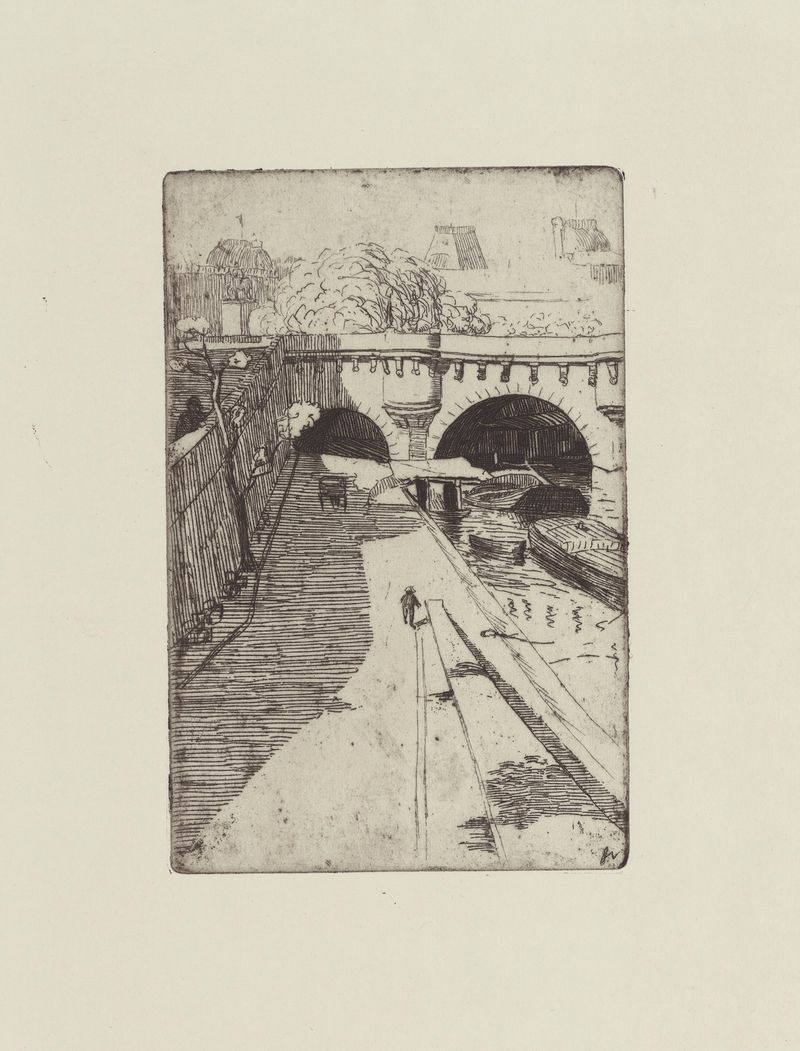
Le Vert-Galant
Félix Vallotton
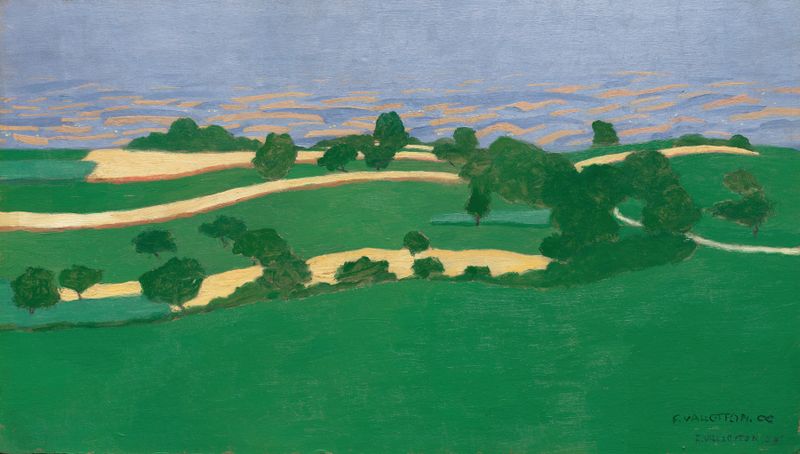
Corn Fields
Félix Vallotton
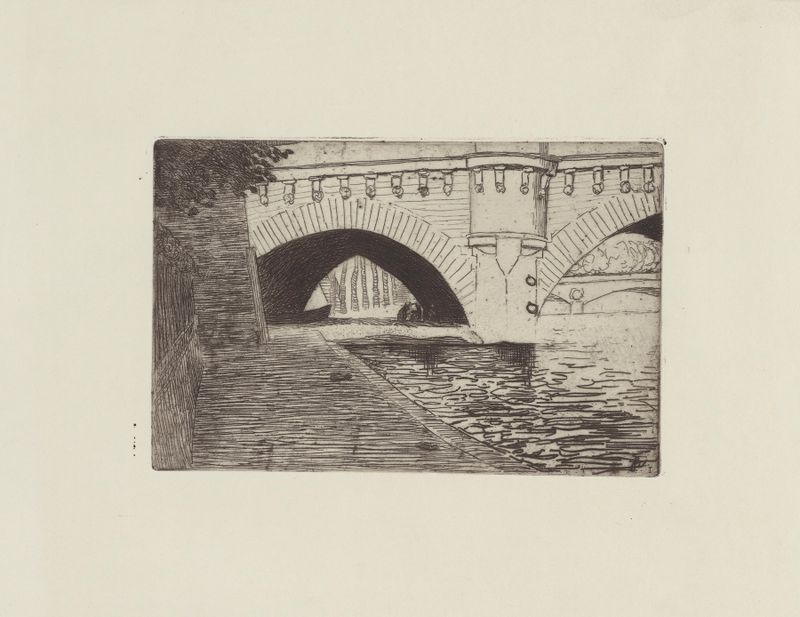
Le Pont-Neuf et le pont St Michel
Félix Vallotton
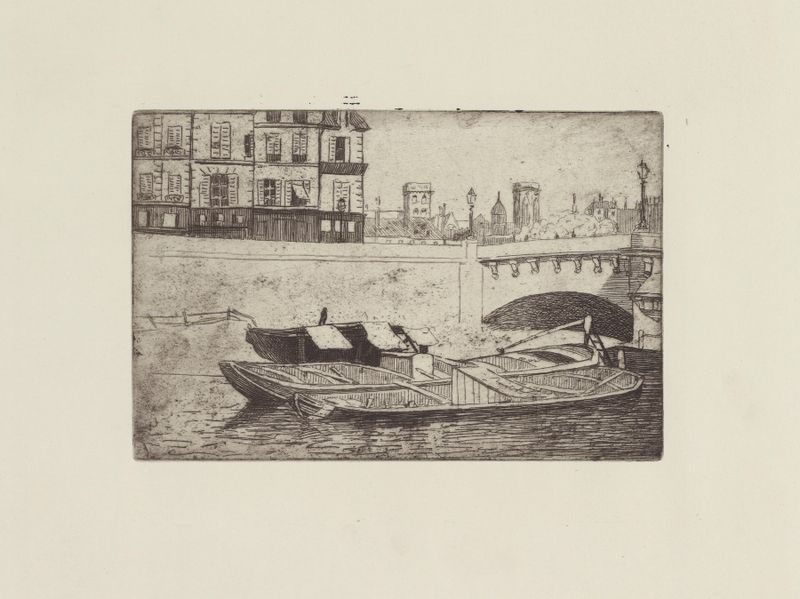
Péniches au Pont-Neuf
Félix Vallotton
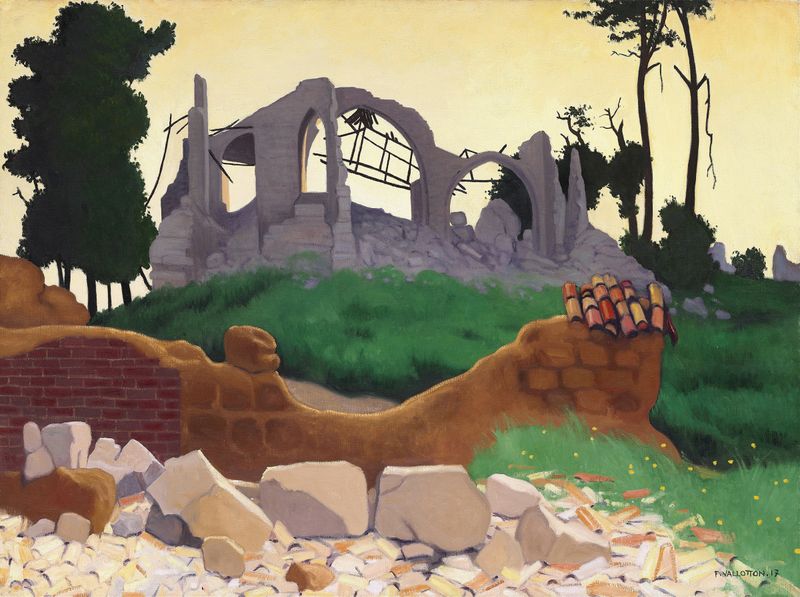
The Church of Souain
Félix Vallotton
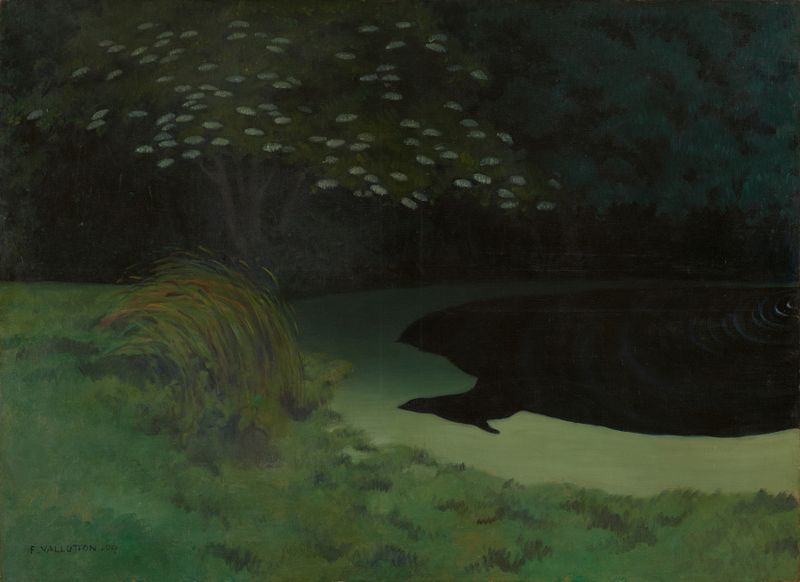
The Pond (Honfleur)
Félix Vallotton
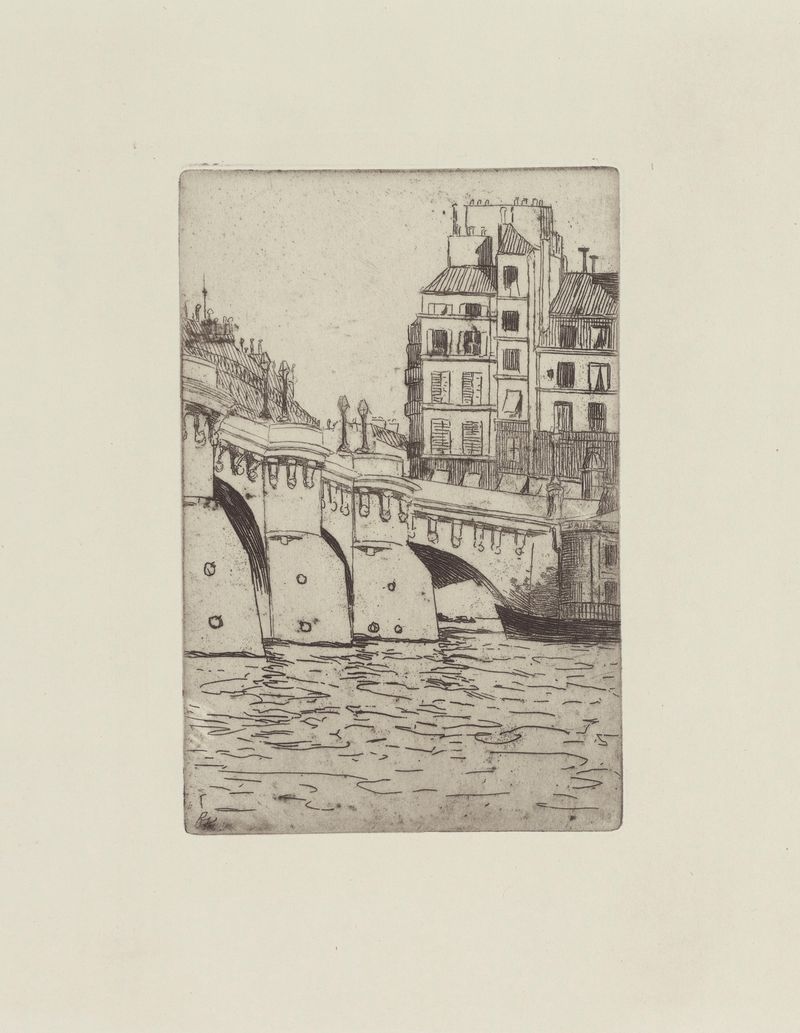
Les bains du Pont-Neuf
Félix Vallotton
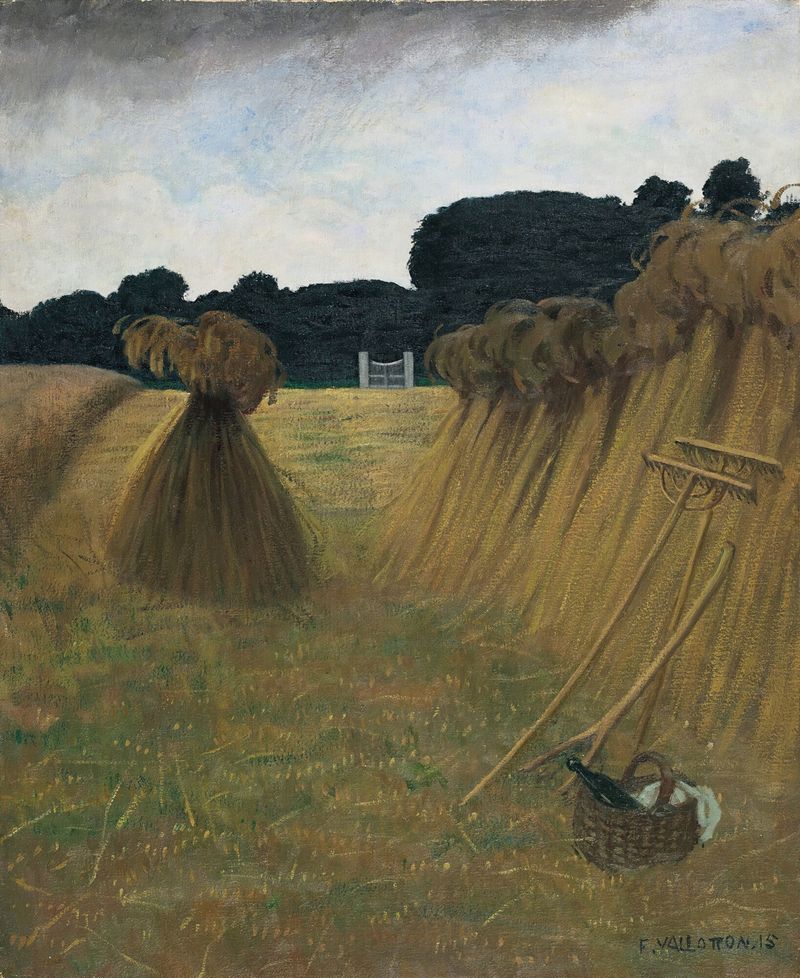
The Sheaves
Félix Vallotton
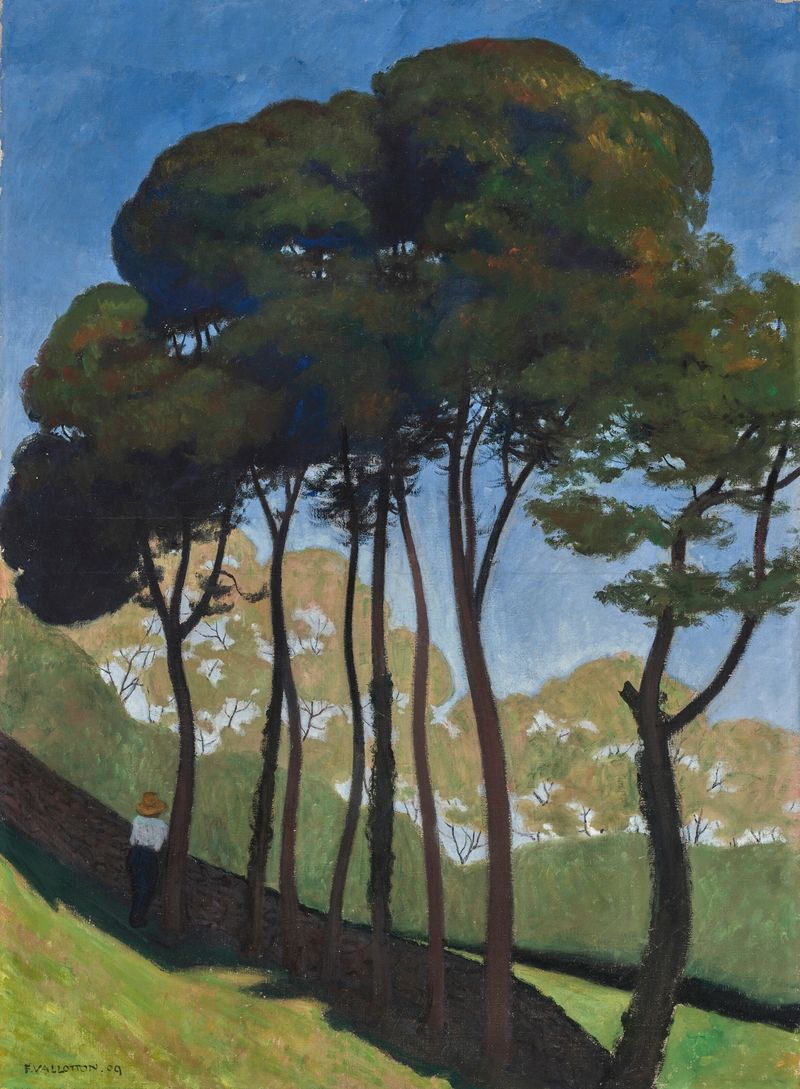
Les Grands Arbres, environs d’Honfleur
Félix Vallotton
More Architecture Art
Browse all →
The statue of Liberty
Frédéric Auguste Bartholdi

View of Houses in Delft, Known as ‘The Little Street’
Johannes Vermeer

View of Houses in Delft, Known as ‘The Little Street’
Johannes Vermeer

The Cathedral in Rouen. The portal, Grey Weather
Claude Monet

The yellow house
Vincent van Gogh

The Church in Auvers-sur-Oise, View from the Chevet
Vincent van Gogh