Le théâtre des Italiens, actuel Opéra-Comique, 2ème arrondissement — History & Facts
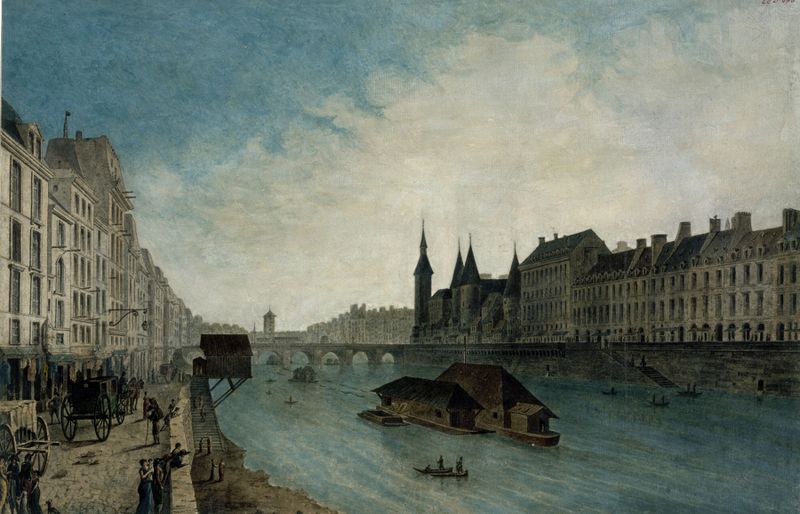
Can beauty exist without sorrow? This poignant question resonates within the delicate strokes and muted tones of the canvas, inviting reflection on solitude amidst vibrancy. Focus first on the bustling scene at the heart of the painting. Notice how the figures are scattered across the theater’s interior, their expressions a blend of anticipation and isolation. The soft glow of chandeliers bathes the space in warm hues, casting subtle shadows that dance like whispers around the edges.
The artist employs a rich palette of ochres and deep blues, contrasting the lively atmosphere with an undercurrent of loneliness that permeates the setting. Hidden beneath the surface of the playful elegance lies a tension between joy and despair. The joy of the theater seems superficial, with attendees lost in their own thoughts, suggesting a collective solitude that contradicts the cheerful façade. Some figures stand apart, their postures hinting at a longing for connection, while others engage in conversation, yet their gazes suggest a disconnect.
This interplay of togetherness and isolation creates a haunting beauty that lingers in the viewer’s mind, echoing the complexities of human emotion. Painted during the tumultuous period between 1915 and 1945, Garbizza's work reflects the social and political upheaval of the time. Living in Paris, he witnessed the rise of modernism and the challenges faced by artists amid World War I and II. This painting not only captures the essence of the Opéra-Comique but also serves as a commentary on the isolation felt by many, a fitting portrayal of a world caught between the promise of art and the sorrows of everyday life.