
Le Trieux — History & Facts
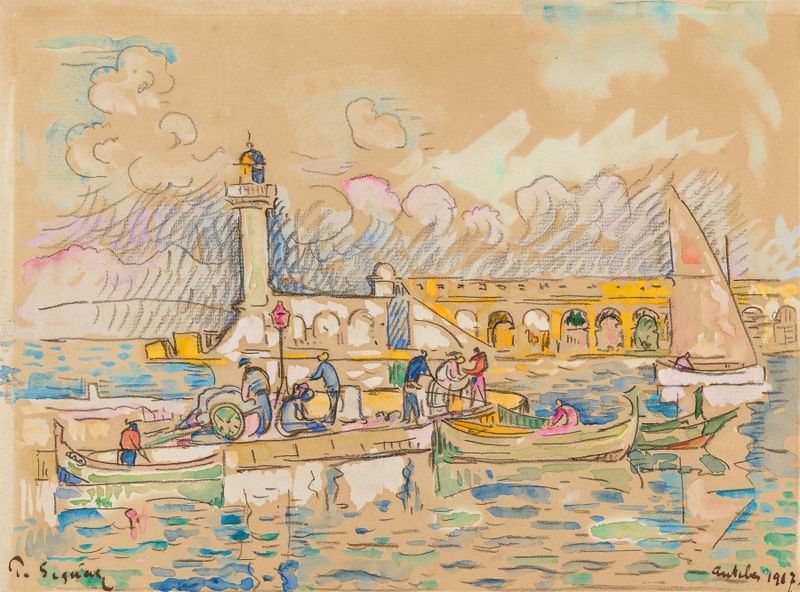
In the silence of this painting, a profound void emerges, inviting introspection and contemplation. Within the breadth of its colors and forms lies a world both familiar and elusive, a place where beauty intertwines with the sensation of absence. Look to the left, where gentle strokes of blue and green coalesce, creating a serene riverbank that draws your gaze across the canvas. Notice how the dappled sunlight dances upon the water's surface, each glint a reminder of nature’s ephemeral beauty.
The careful arrangement of colors reveals Signac’s mastery of pointillism, where tiny dots unify into a cohesive scene, and shadows whisper of depth and tranquility. This rhythm of light and color transports you to a moment suspended in time, inviting you to explore the layers that lie beneath. Yet, within this idyllic setting, there is an undercurrent of solitude. The stillness of the water contrasts with the vibrant colors, evoking a sense of longing or absence.
The horizon, though beautifully rendered, hints at distance and the unreachable. Each brushstroke suggests a deeper narrative, echoing the emotional tensions that define our experiences of place and memory, turning a simple landscape into a meditation on what it means to feel lost. During the late 19th century, this piece emerged from the innovative mind of a prominent figure in the Neo-Impressionist movement. Working in France, Signac was deeply influenced by the evolving art scene and his own explorations of color theory.
The world was shifting rapidly around him, yet he found solace in the mastery of his technique, crafting a work that resonates with both beauty and the quiet unease of existence.
More Artworks by Paul Signac
Browse all →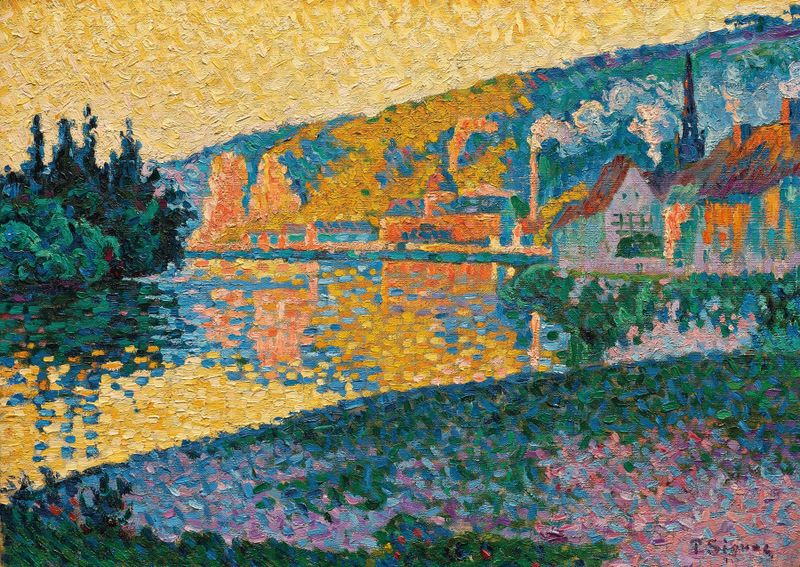
Les Andelys. Soleil couchant
Paul Signac
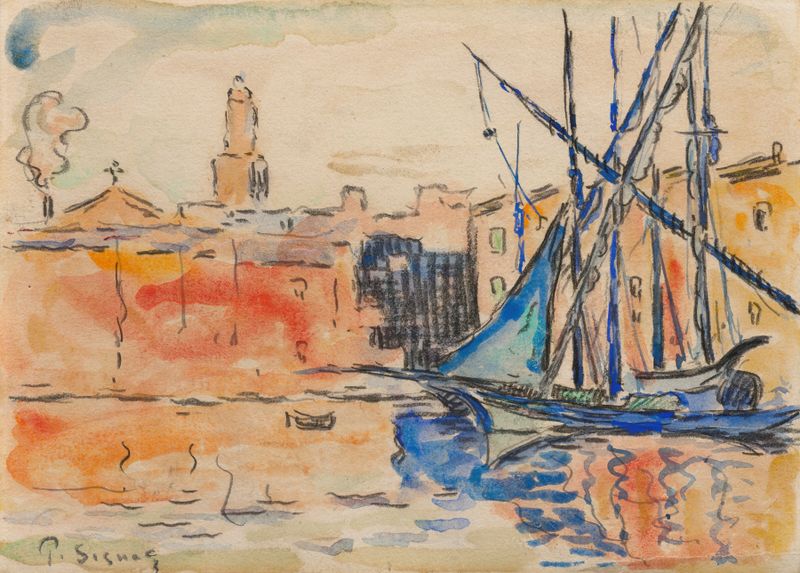
Saint-Tropez, le port
Paul Signac
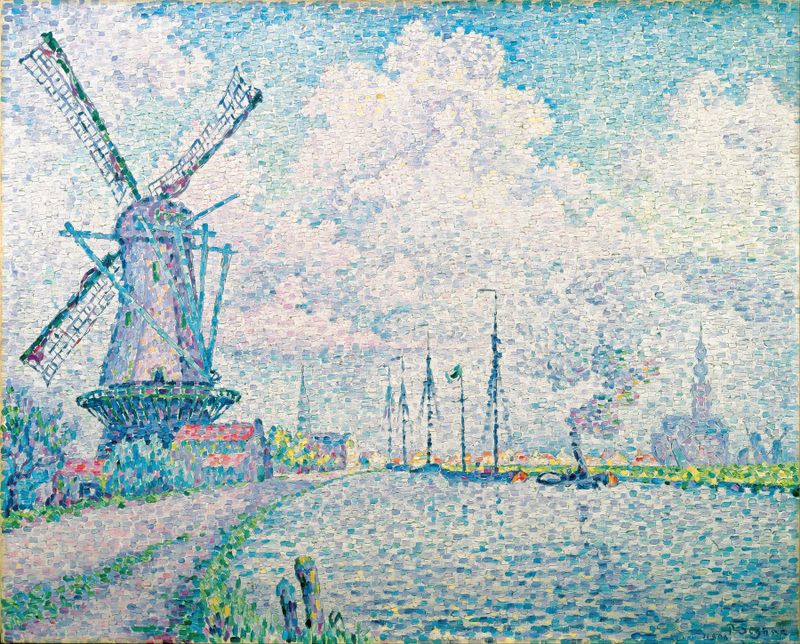
Canal of Overschie
Paul Signac
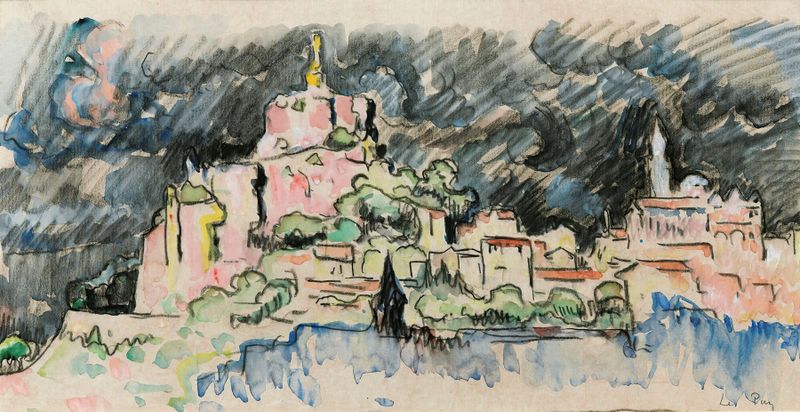
Le Puy-En-Velay, Ciel D’orage
Paul Signac
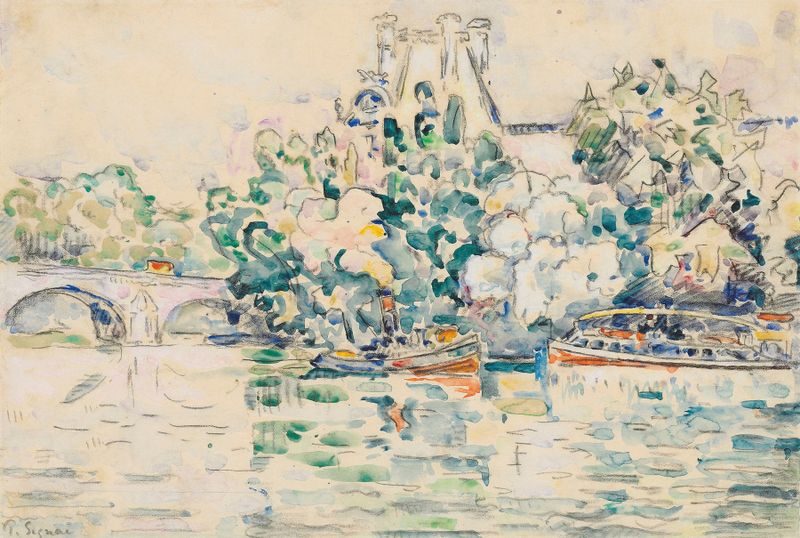
Paris, La Seine au Pont-Royal
Paul Signac
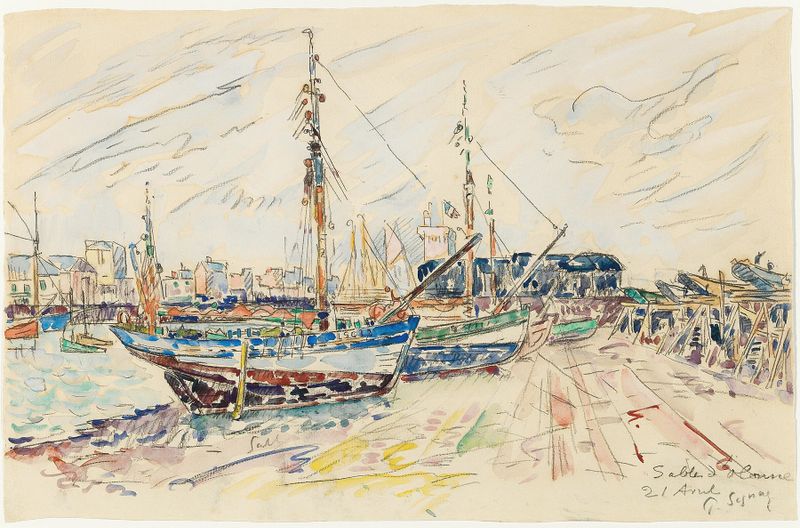
Sables d’Olonne
Paul Signac
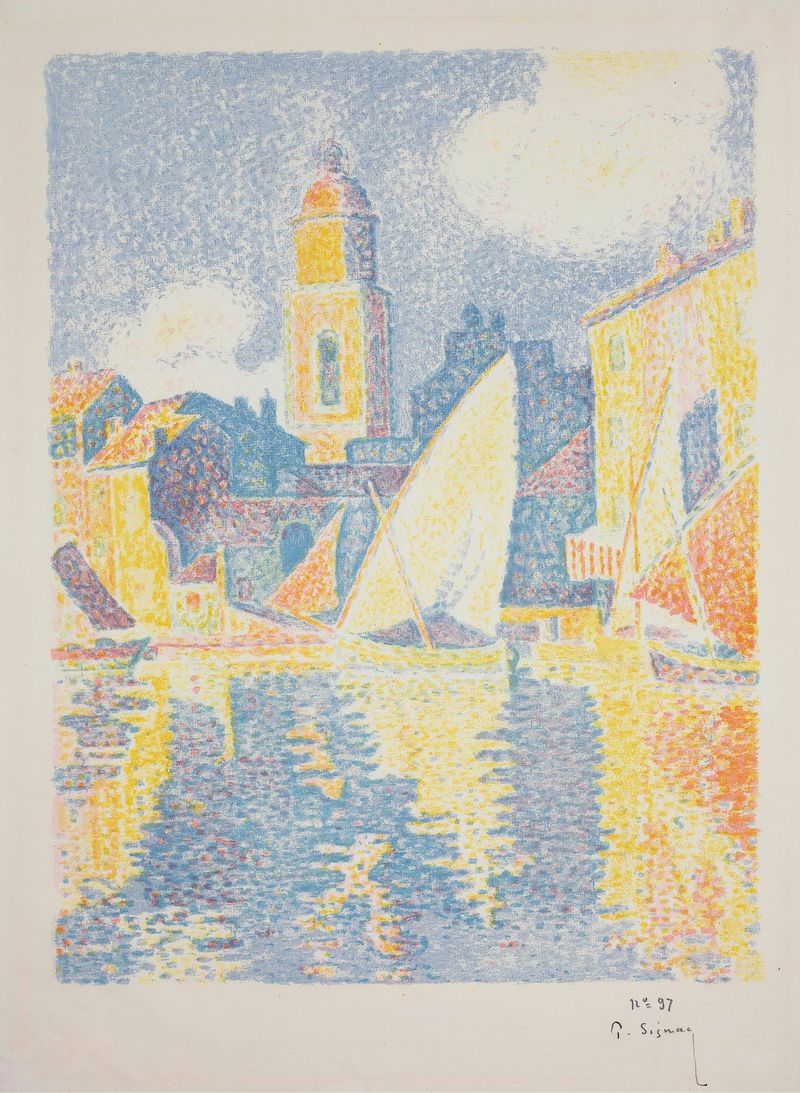
The Port of St. Tropez
Paul Signac
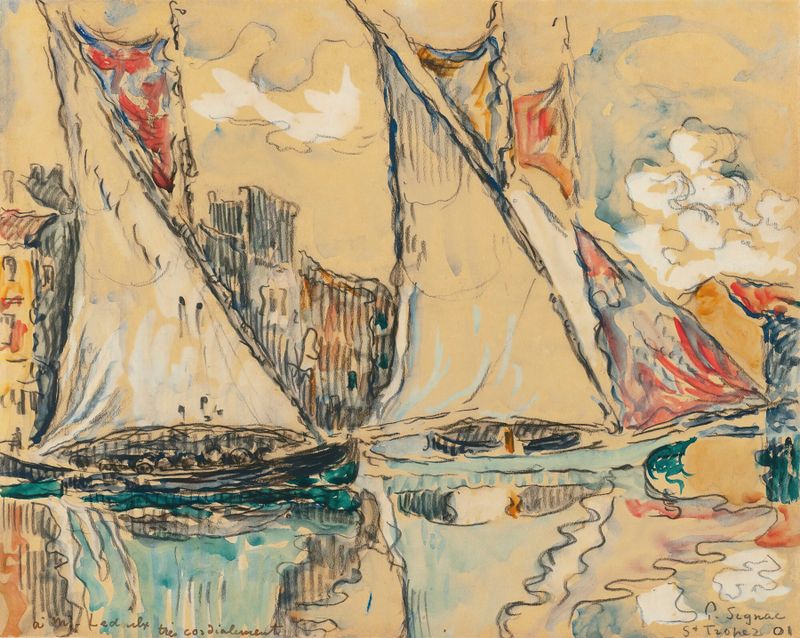
Saint-Tropez, Voiles Au Sec
Paul Signac
Antibes
Paul Signac

Saint-Tropez
Paul Signac





