
Le village de Mareil — History & Facts
In a world that often overlooks the delicate dance of memory and fear, how does one capture the essence of fleeting moments that haunt us? Look to the lush greens and soft blues that swirl across the canvas, reminiscent of a pastoral dream. The eye is drawn first to the horizon, where a gentle amalgam of trees and rooftops whispers of a tranquil village life. Notice how the brushstrokes create a haunting, almost ethereal quality, as if the landscape is caught between reality and reverie.
The dappled light filters through the foliage, bathing the scene in a soft glow that both invites and unsettles. Delve deeper, and you'll uncover hidden tensions within the idyllic scenery. The stark contrast between vibrant life and the shadowy undertones in the foreground evokes a sense of unease, suggesting that beneath the surface of serene beauty lies an undercurrent of fear and uncertainty. The quiet expanse may represent a longing for safety, yet the twisting forms and muted colors hint at the inevitability of change, reminding us that even the most cherished memories can be punctuated by anxiety. In 1911, while creating Le village de Mareil, Gustave Loiseau was deeply entrenched in the post-Impressionist movement, exploring the boundaries of color and light.
During this period, France was experiencing significant cultural shifts, and Loiseau’s work reflected both the beauty of rural life and a subtle awareness of its fragility. His paintings are a testament to a time when nostalgia intertwined with an ever-present sense of fear regarding the modern world encroaching upon tradition.
More Artworks by Gustave Loiseau
Browse all →
Rue de village en Normandie
Gustave Loiseau
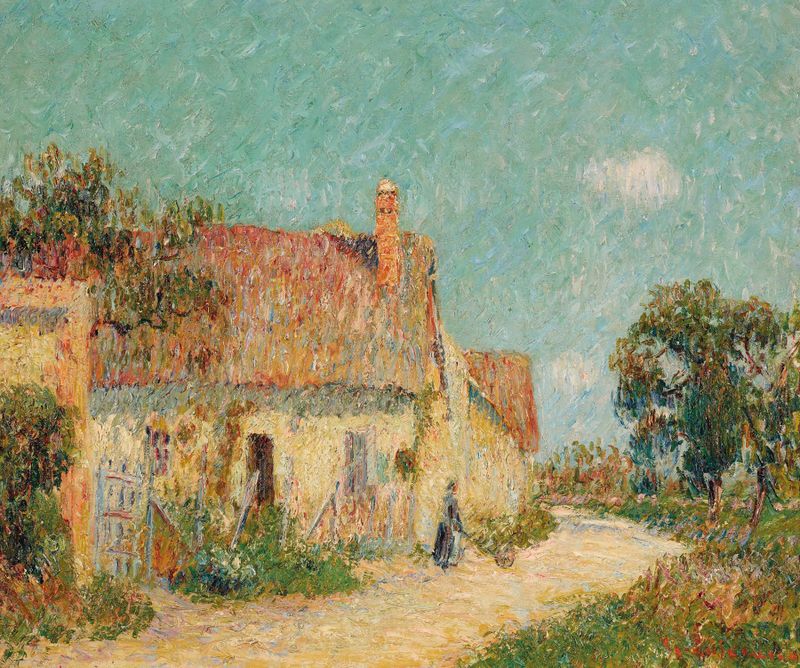
Chaumière en Normandie
Gustave Loiseau

Paysage d’Hiver à Chaponval
Gustave Loiseau
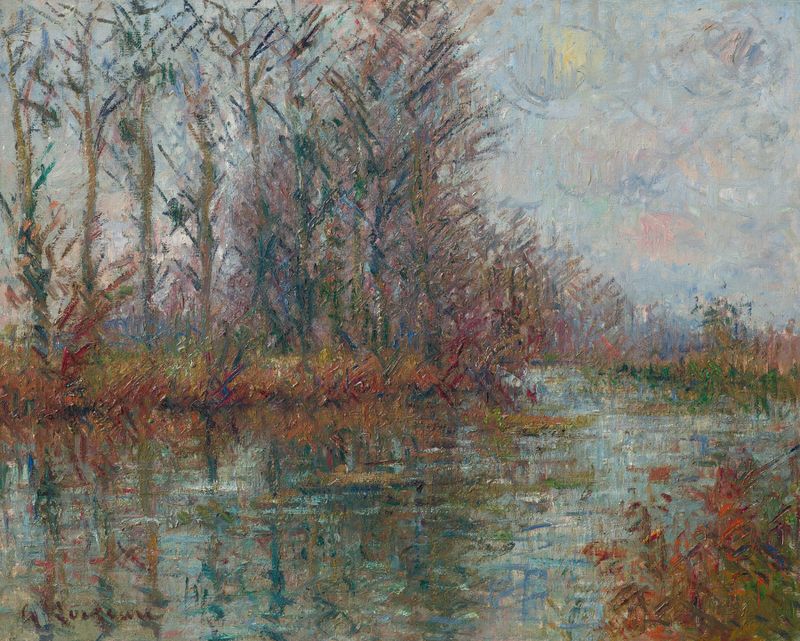
Tournant de rivière, L’Eure
Gustave Loiseau

Pont Marie, Paris
Gustave Loiseau

Le Bras De Mer
Gustave Loiseau

Le Pont Suspendu À Triel
Gustave Loiseau

Bord de la rivière
Gustave Loiseau
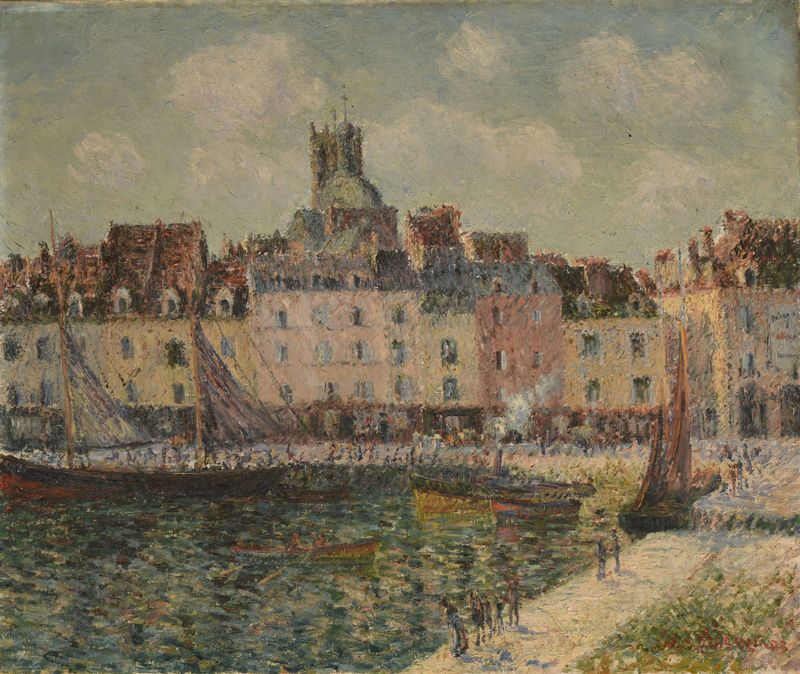
Le Quai Duquesne à Dieppe
Gustave Loiseau

Rocher la Teignouse, Cap Fréhel
Gustave Loiseau





