Legertros — History & Facts
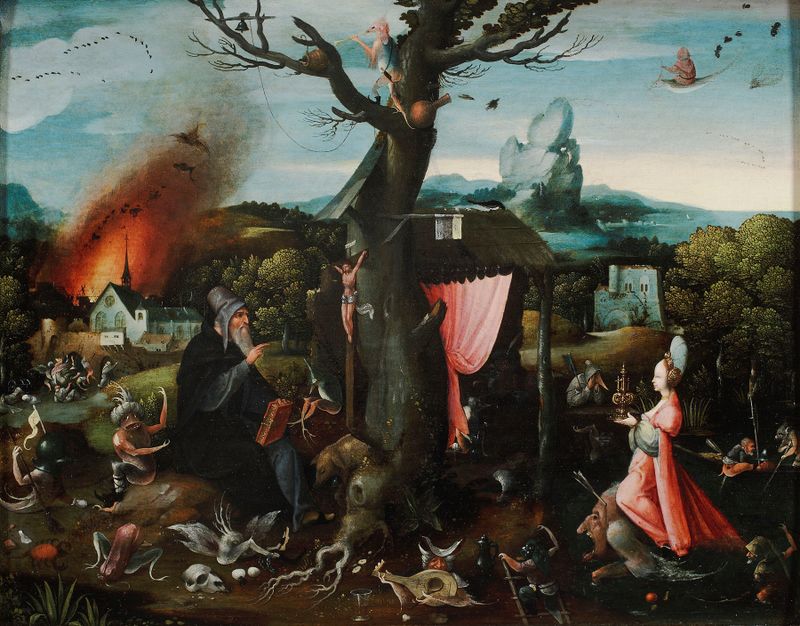
In Legertros, this notion of destiny intertwines with the delicate elegance of a seemingly serene moment, where every element serves a greater purpose, yet hints at the burdens carried beneath the surface. Look to the center of the composition, where a figure of striking beauty subtly dominates the canvas. The rich, golden hues blend seamlessly with deep earthy tones, creating a harmonious yet complex atmosphere. Notice how the light caresses her features, illuminating the delicate intricacies of her garment, which contrasts with the shadowed background, suggesting a duality between light and darkness that invites contemplation. Delve deeper into the tension between beauty and sorrow present in the figure’s poised expression.
Her gaze, both inviting and distant, conveys a sense of longing for something just out of reach—perhaps a destiny intertwined with unspoken pain. The delicate details in the fabric of her attire suggest a weight that belies her graceful exterior, while the intricate patterns reflect the complexity of her existence. This interplay invites the viewer to question: Is the beauty we perceive merely a facade for deeper emotional struggles? In the late 15th and early 16th centuries, Jan Wellens de Cock was painting amidst the flourishing Northern Renaissance, a period marked by intense artistic innovation and exploration of human emotion.
Creating Legertros during this time, he sought to capture the subtleties of human experience through a meticulous approach to detail and composition, reflecting the conflicting sentiments of beauty and destiny that defined not only his life but the era he inhabited.