Les anciennes carrières de Bagneux — History & Facts
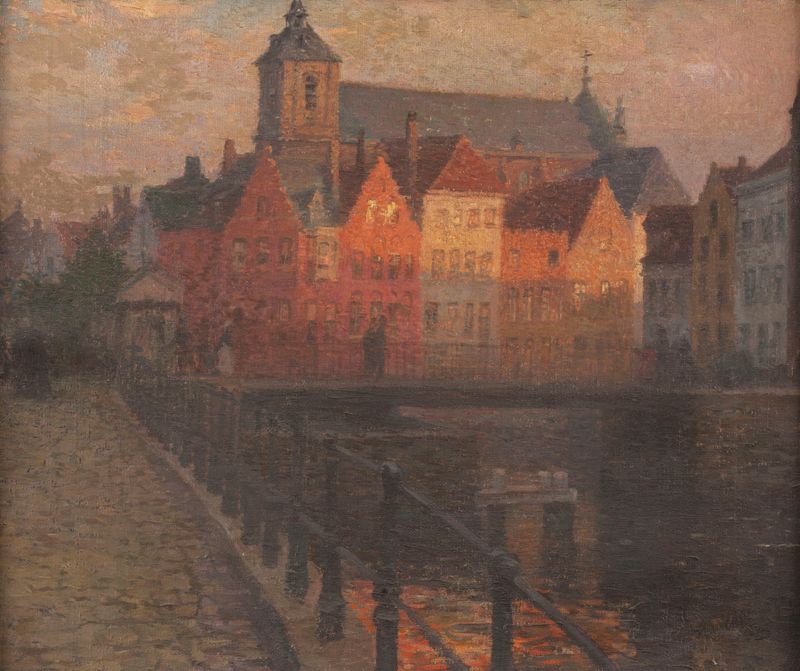
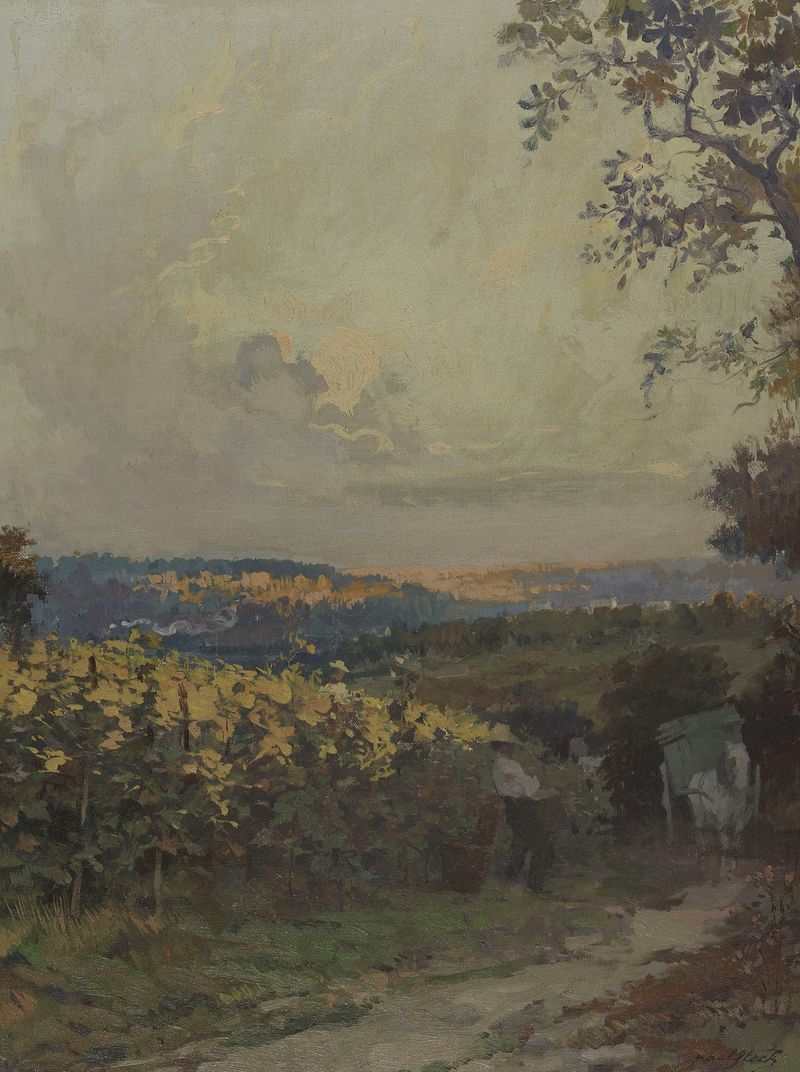
Within the rugged landscape lies a narrative of rebirth, an echo of nature's resilience amid the scars of industry. Look to the left, where jagged stone formations rise dramatically against the soft pastel sky. The rich hues of ochre and gold intermingling with subdued blues create a conflicted palette, evoking both the harshness of the quarry and the serenity of the surrounding nature. Notice how the light seems to dance across the weathered surfaces, illuminating the textures that speak of labor and age, guiding the viewer's eye deeper into the painting’s layered story. As your gaze wanders, subtle details begin to emerge—faint traces of green creeping through the cracks of stone hint at nature's persistent claim over human endeavor.
The juxtaposition of hard edges and soft light reflects the tension between destruction and revival, suggesting that even the most barren scenes can harbor life and beauty. This duality encapsulates the emotional weight of the work, inviting contemplation on the cycles of loss and renewal. In 1907, Paul Steck painted this work during a period marked by rapid industrial growth and urban expansion in France. Amidst this transformation, the artist's perspective on nature and humanity's impact on it was both critical and reflective.
The shifting dynamics of art at the time, with movements embracing both realism and symbolism, influenced his approach, allowing him to capture the poignant intersection of beauty and decay within the contemporary landscape.