
Les Coteaux de La Celle, après Saint-Mammès — History & Facts
Such is the alchemy of longing, a silent yearning woven into the very fabric of the landscape. Look to the left, where soft greens and earthy browns meld seamlessly, creating a gentle, undulating rhythm across the hills. Notice how the light dances on the surface of the grass, flickering like whispered secrets as it captures fleeting moments of the day. The delicate application of paint invites your gaze to wander, revealing the interplay between shadow and light, a testament to the artist’s mastery of color and texture. In this tranquil scene, the winding paths suggest an invitation to explore both the physical landscape and the emotional terrain of nostalgia.
The distant horizon resonates with an unfulfilled promise, the blurred edges hinting at memories half-remembered. There is a tension between the serenity of the countryside and an underlying pull of longing, as if the hills themselves ache for something just beyond reach. Painted in 1884 while living in France, the artist found solace in capturing the natural world around him. During this period, the Impressionist movement was flourishing, yet Sisley remained somewhat of an outsider, often overshadowed by his contemporaries.
In Les Coteaux de La Celle, après Saint-Mammès, he distills a personal connection to the landscape, reflecting not only the beauty of the scene but also a deeper sense of yearning inherent to the human experience.
More Artworks by Alfred Sisley
Browse all →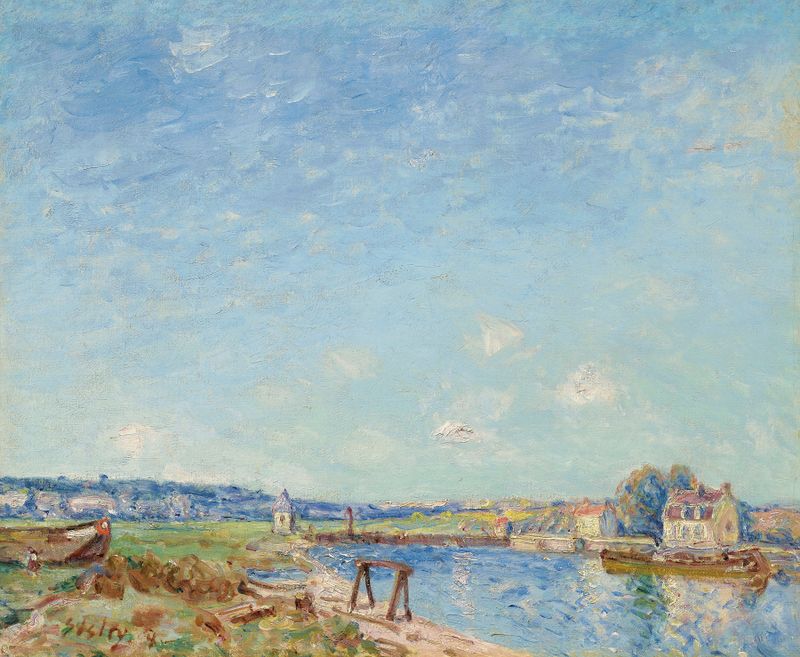
Le Loing à Saint-Mammès
Alfred Sisley
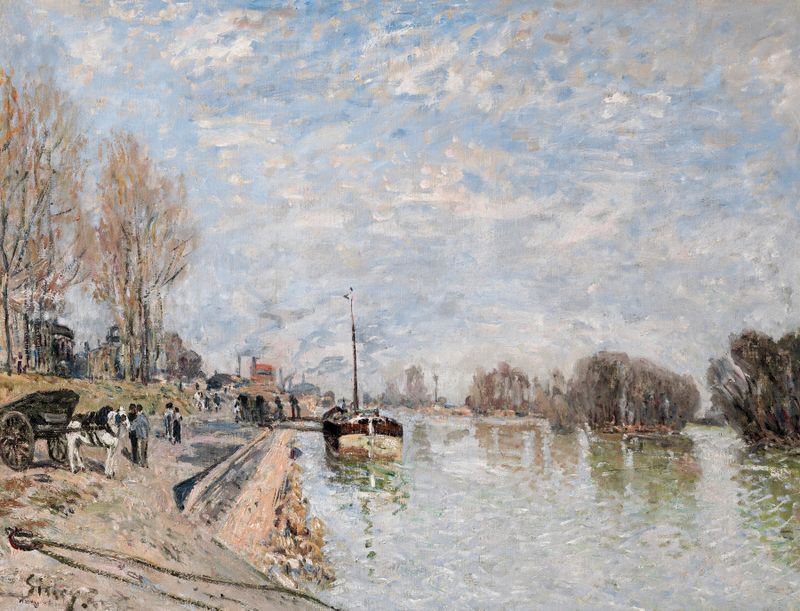
La Seine à Suresnes
Alfred Sisley
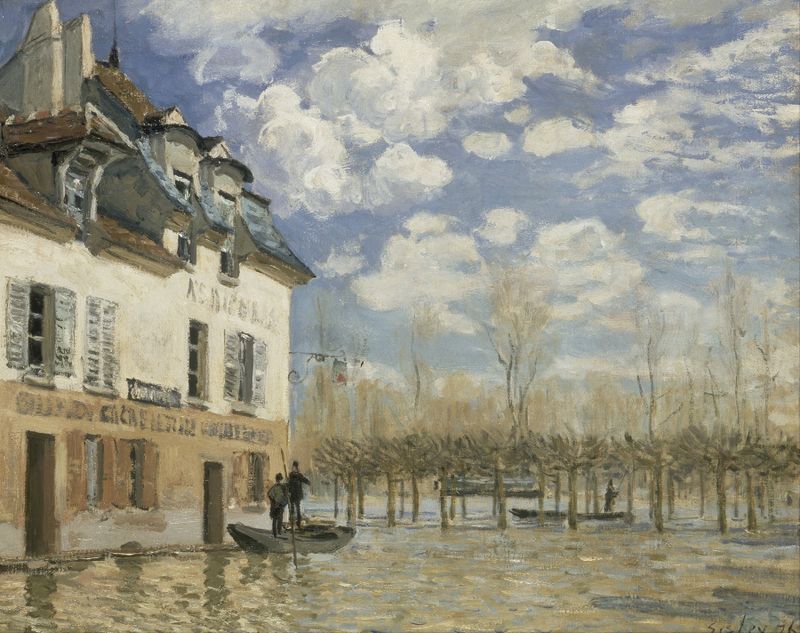
Boat in the Flood at Port Marly
Alfred Sisley
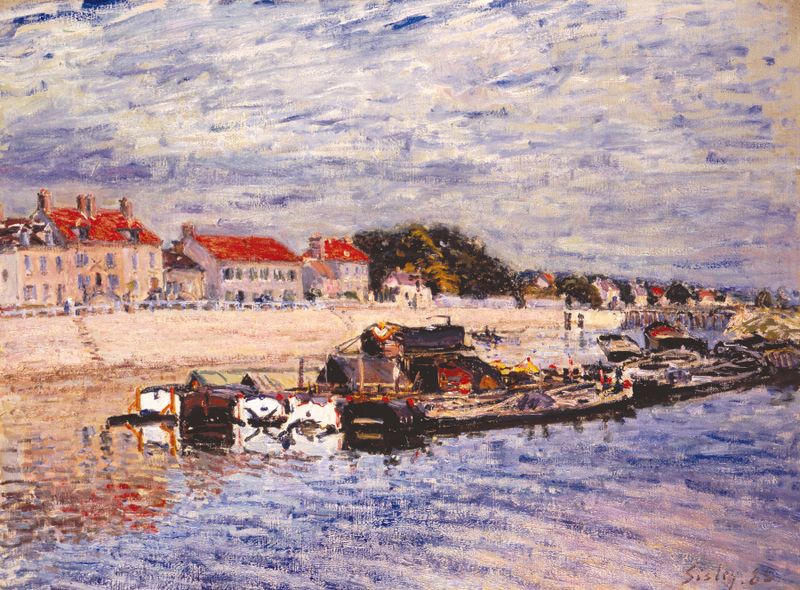
Barges on the Loing at Saint-Mammès
Alfred Sisley

L’allée des peupliers au bord du Loing
Alfred Sisley

Molesey Weir, Hampton Court
Alfred Sisley
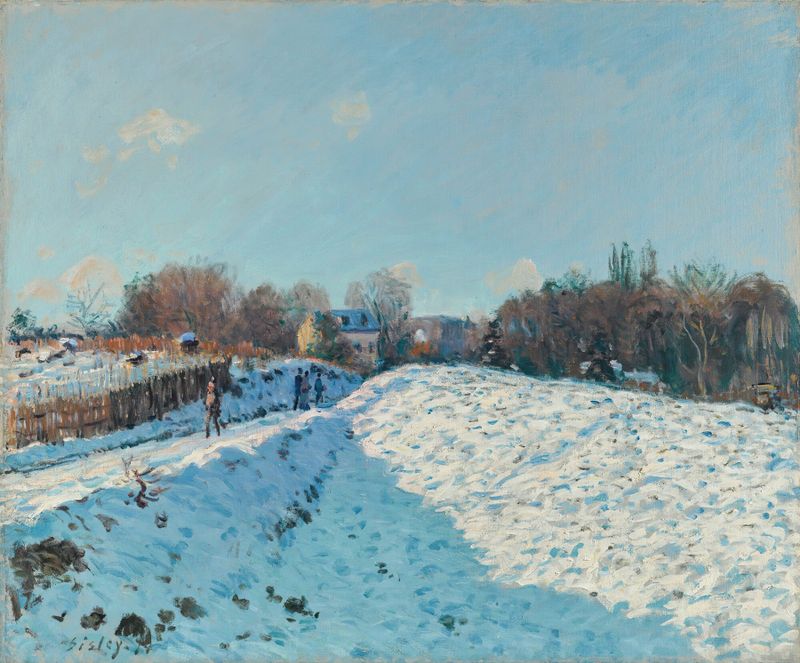
Effet De Neige À Louveciennes
Alfred Sisley
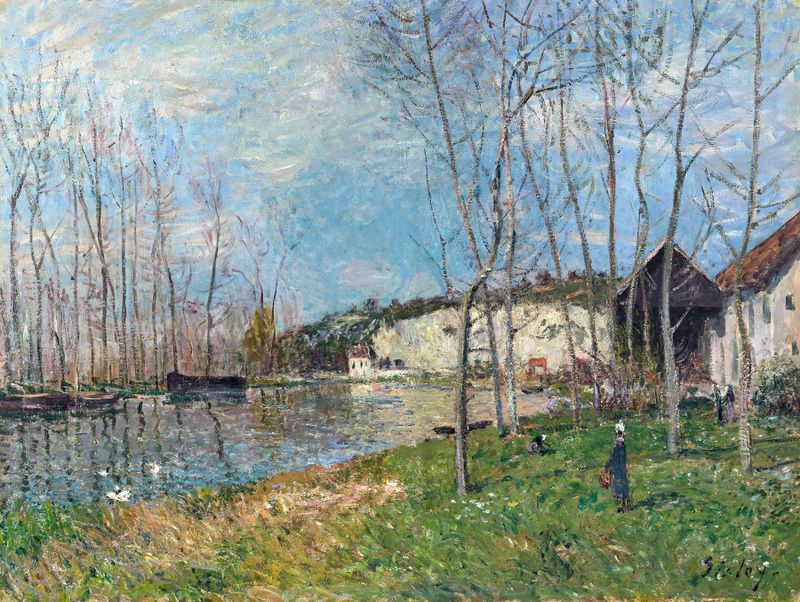
Printemps au bord du Loing
Alfred Sisley
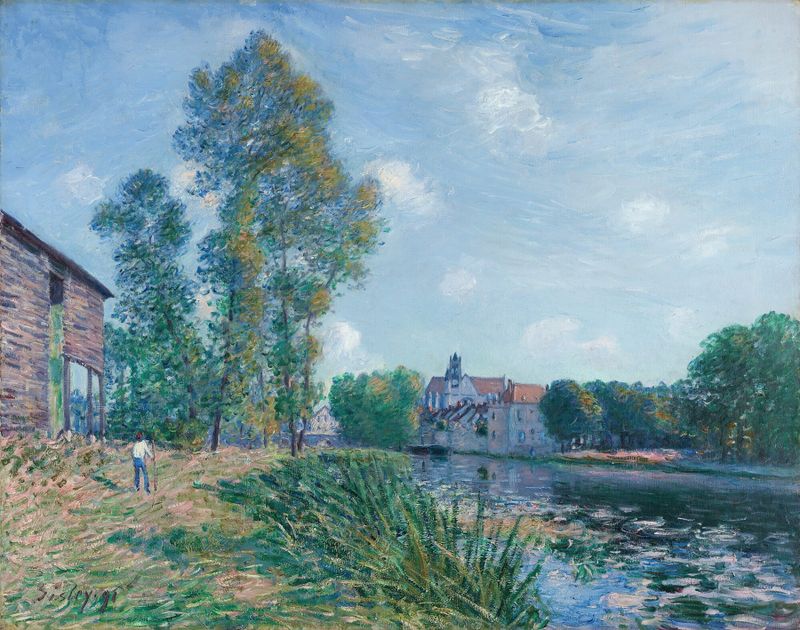
Le Loing À Moret, En Été
Alfred Sisley
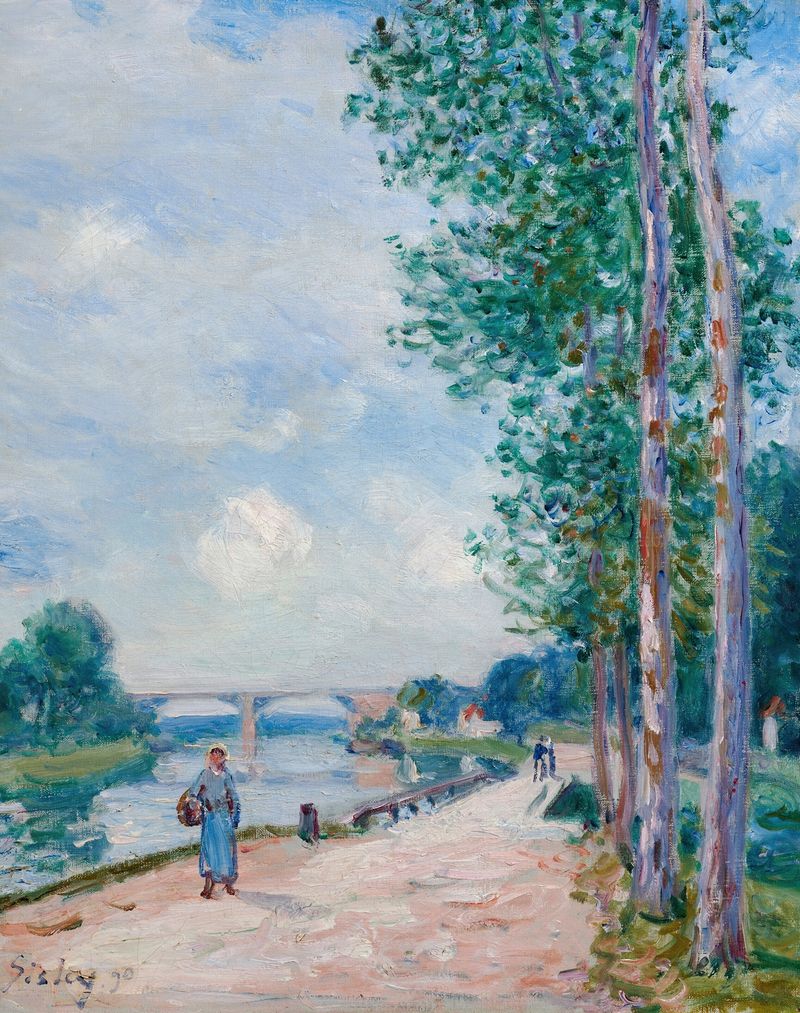
Les bords du Loing près de Moret
Alfred Sisley





