
Les Diablerets (L’Oldenhorn et le Bécabesson) — History & Facts
In the brushstrokes of Les Diablerets, transformation unfolds as nature’s permanence dissolves into fleeting moments of clarity and color. Focus on the vibrant palette that bursts from the canvas. Notice how the azure sky seamlessly meets the rugged peaks, their profiles created with a mosaic of dappled hues. The shimmering water below mirrors this brilliance, capturing the sun’s rays in a dance of light and shadow.
Your gaze is compelled to wander through the tapestry of dots and strokes that evoke the landscape's undulating forms, urging you to appreciate the meticulous technique that defines Signac’s pointillist style. Yet, beyond the surface beauty lies a deeper dialogue between permanence and ephemerality. The mountains, steadfast and eternal, clash with the delicate, fleeting clouds that drift across the sky. This interplay invites reflection on the contrasts within nature itself—how transformation can emerge from stillness.
The vibrant colors suggest a moment caught in transition, echoing the artist's artistic journey toward embracing modernity while rooted in tradition. In 1903, the artist was entrenched in the post-impressionist movement in the South of France, exploring the expressive capabilities of color and light. As he painted this work, he faced the challenge of redefining landscapes while grounding himself in the familiar forms of his environment. This period marked a significant evolution in his career, where he sought to encapsulate both the permanence of nature and the transient beauty of the moment.
More Artworks by Paul Signac
Browse all →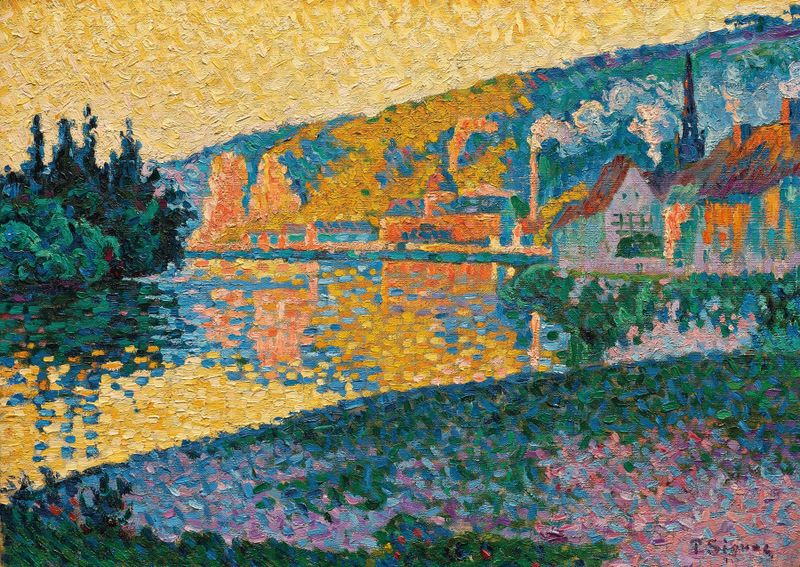
Les Andelys. Soleil couchant
Paul Signac
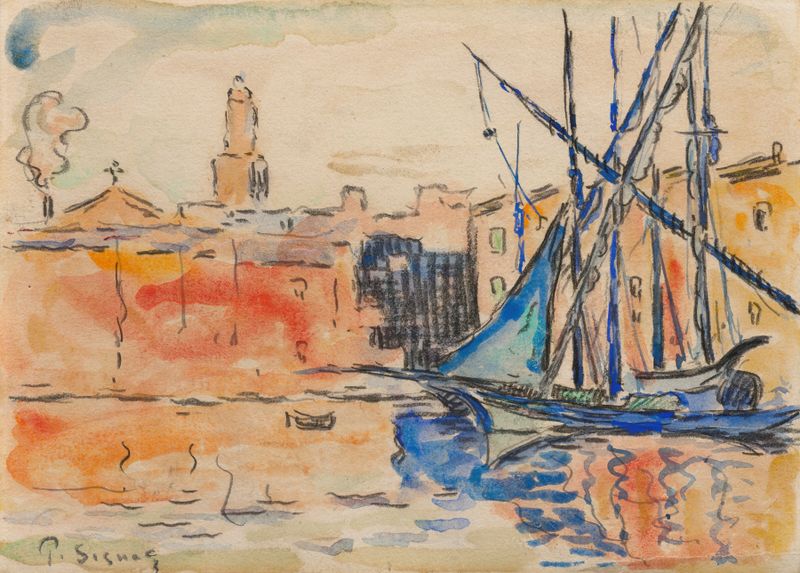
Saint-Tropez, le port
Paul Signac
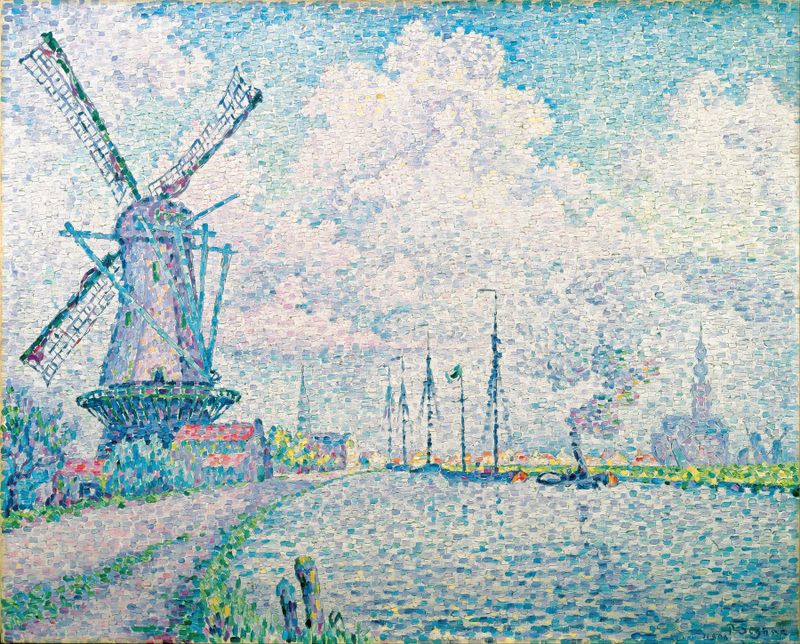
Canal of Overschie
Paul Signac
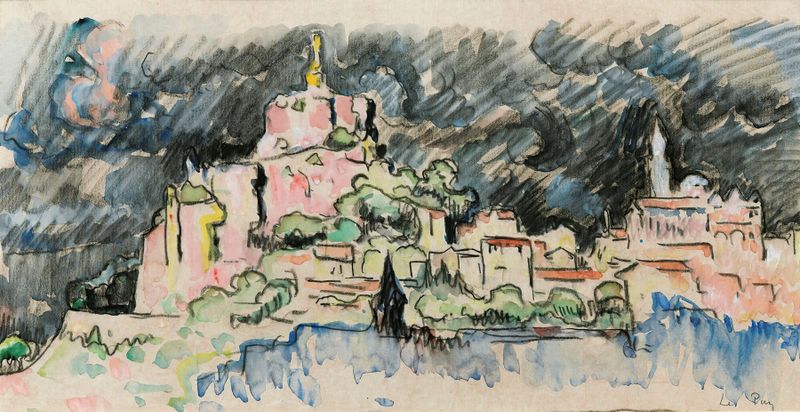
Le Puy-En-Velay, Ciel D’orage
Paul Signac
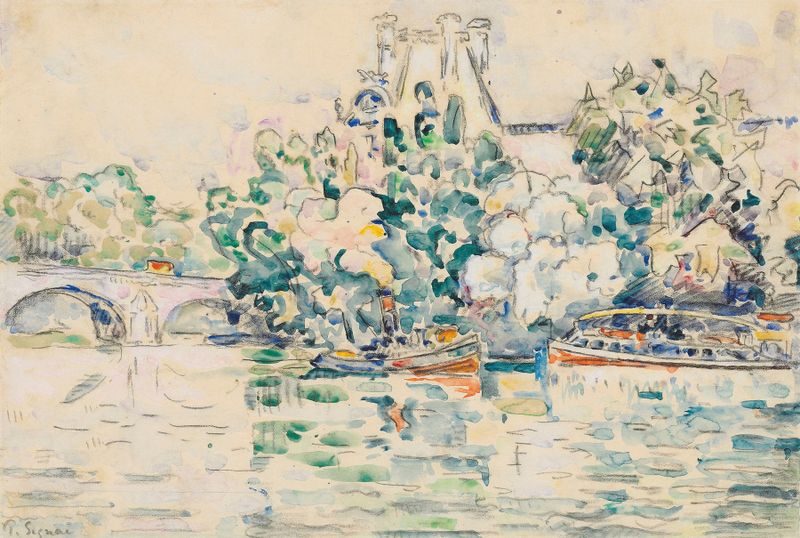
Paris, La Seine au Pont-Royal
Paul Signac
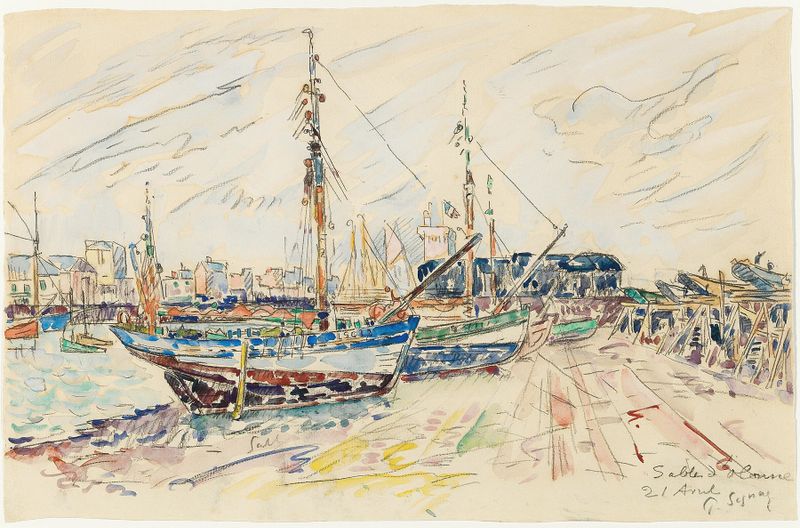
Sables d’Olonne
Paul Signac
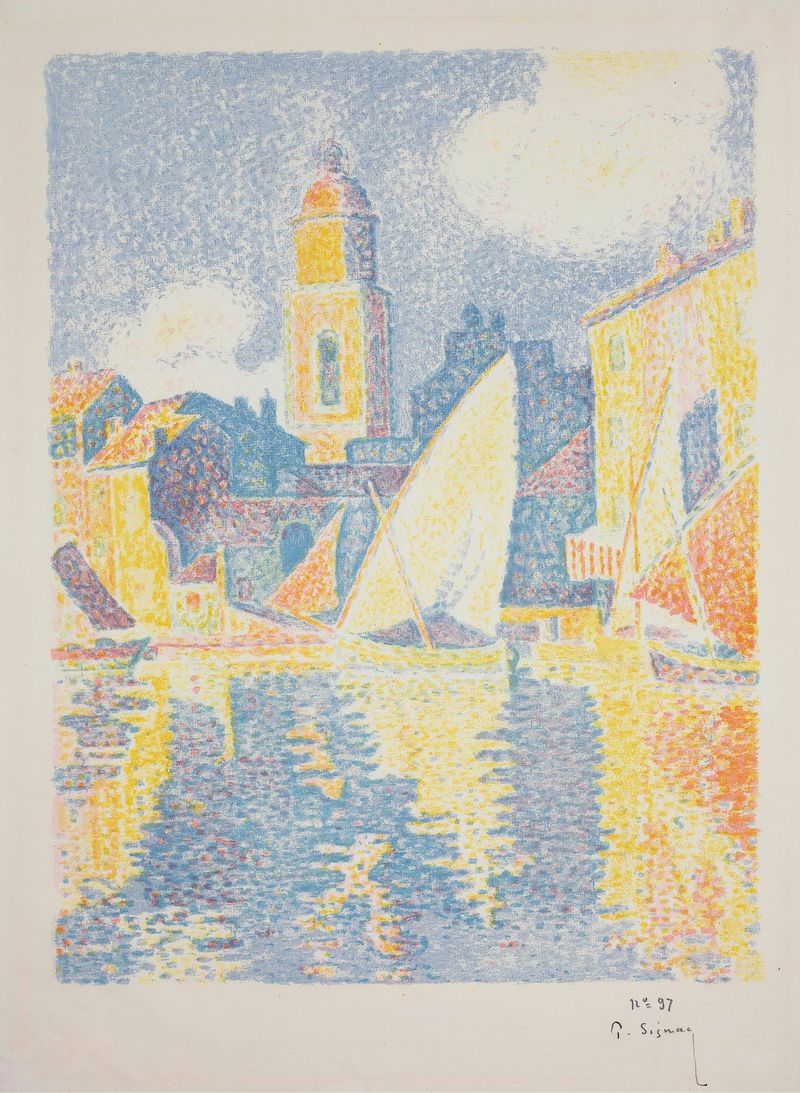
The Port of St. Tropez
Paul Signac
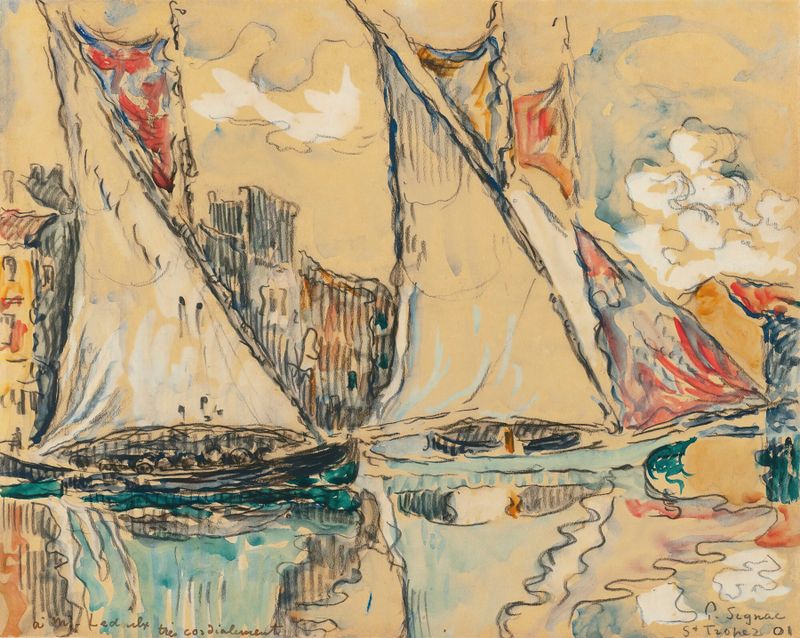
Saint-Tropez, Voiles Au Sec
Paul Signac
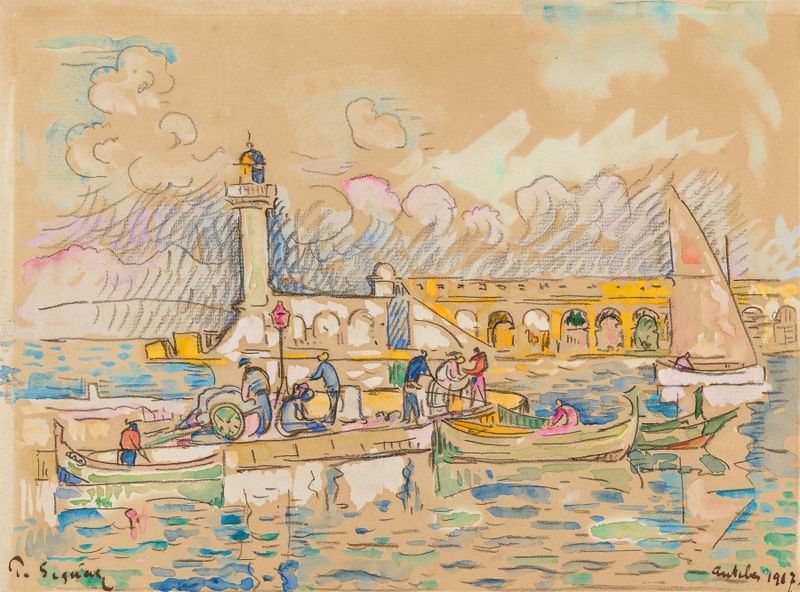
Antibes
Paul Signac

Saint-Tropez
Paul Signac





