
Les moulins de Moret–Hiver — History & Facts
Can beauty exist without sorrow? In Les moulins de Moret–Hiver, Alfred Sisley invites us to ponder this question as he captures a winter landscape steeped in nostalgia. Look to the left at the quaint windmill, its weathered wooden blades standing stoically against the pale, wintry sky. The smooth brushstrokes create a soft texture that evokes the chill of the season, while the muted palette of whites and grays underscores a sense of stillness. Notice how the light diffuses across the snow, casting gentle shadows that stretch across the canvas, guiding your gaze through the serene, almost dreamlike scenery. Beneath the peaceful surface lies a tension between warmth and cold, life and desolation.
The gentle, fading light hints at the fleeting nature of time, and the landscape reflects both the beauty and isolation of winter. Sisley’s technique captures the essence of nostalgia: a longing for something lost, evoked by the quietude of the scene. The windmill, a symbol of human endeavor, stands in stark contrast to the encompassing solitude of the snowy field, suggesting a yearning for connection in a season of dormancy. In 1890, Sisley was living in France, grappling with the challenges of his career amid the changing tides of Impressionism.
The art world was evolving, yet he remained devoted to capturing the beauty of nature through his distinctive brushwork and attention to light. This painting, created during a contemplative period, reflects both his artistic dedication and the serene melancholy of winter, resonating with those who seek beauty in the quiet moments of life.
More Artworks by Alfred Sisley
Browse all →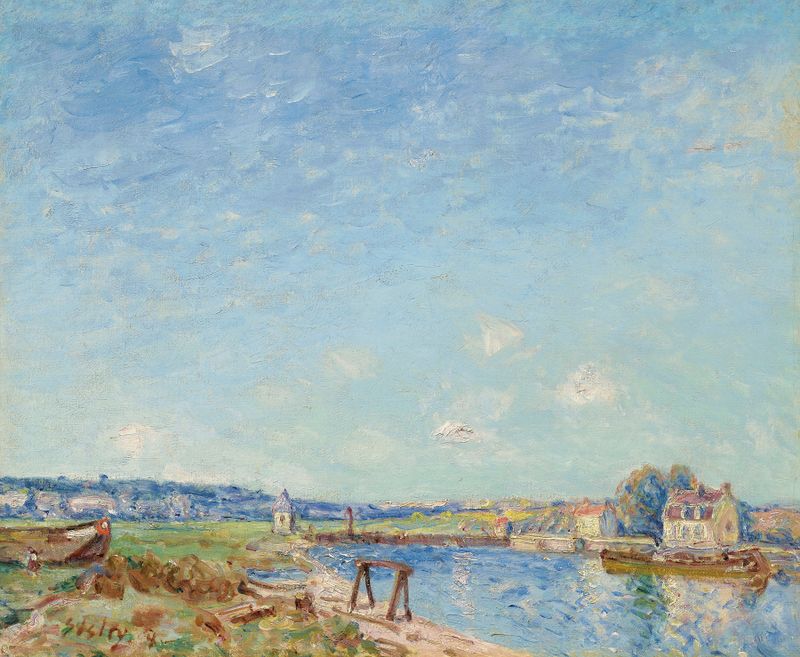
Le Loing à Saint-Mammès
Alfred Sisley
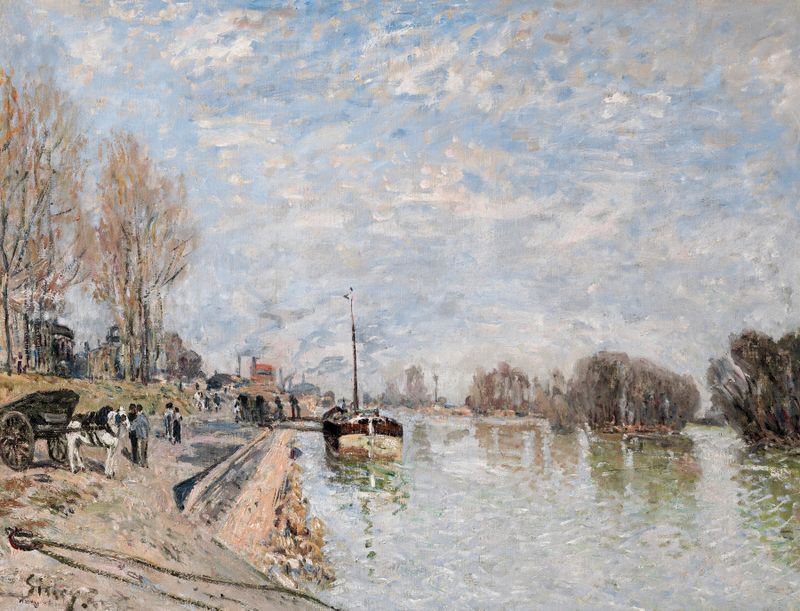
La Seine à Suresnes
Alfred Sisley
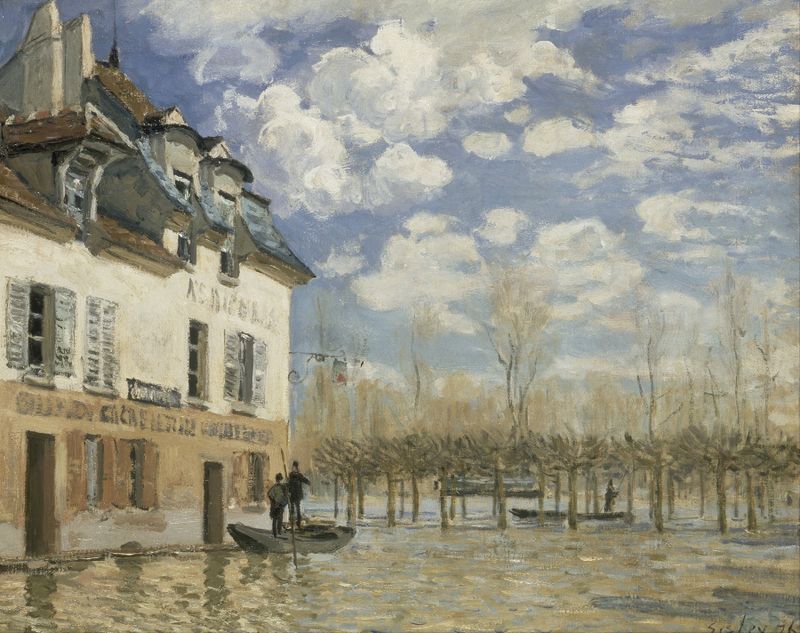
Boat in the Flood at Port Marly
Alfred Sisley
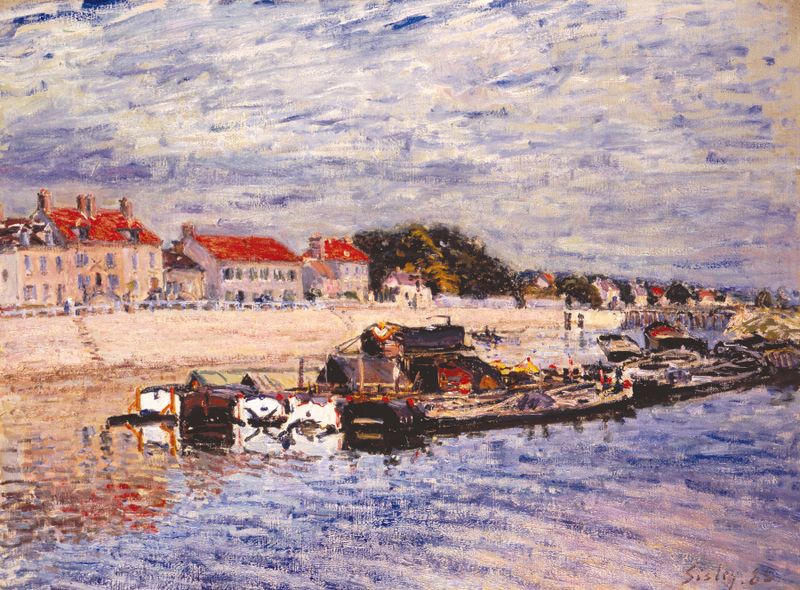
Barges on the Loing at Saint-Mammès
Alfred Sisley

L’allée des peupliers au bord du Loing
Alfred Sisley

Molesey Weir, Hampton Court
Alfred Sisley
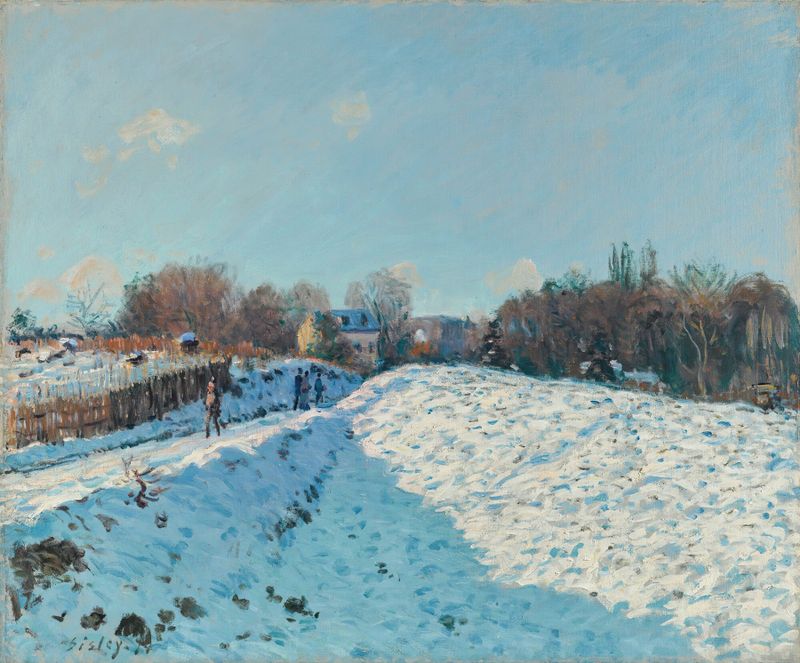
Effet De Neige À Louveciennes
Alfred Sisley
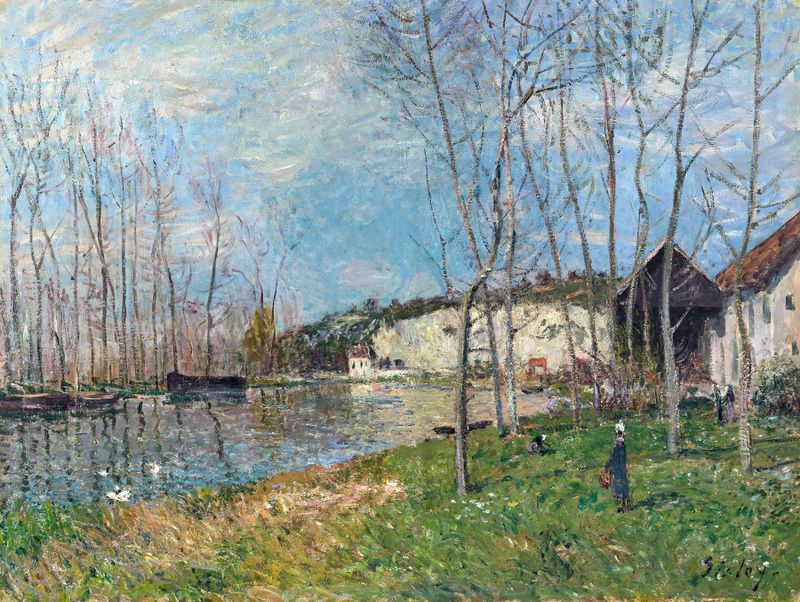
Printemps au bord du Loing
Alfred Sisley
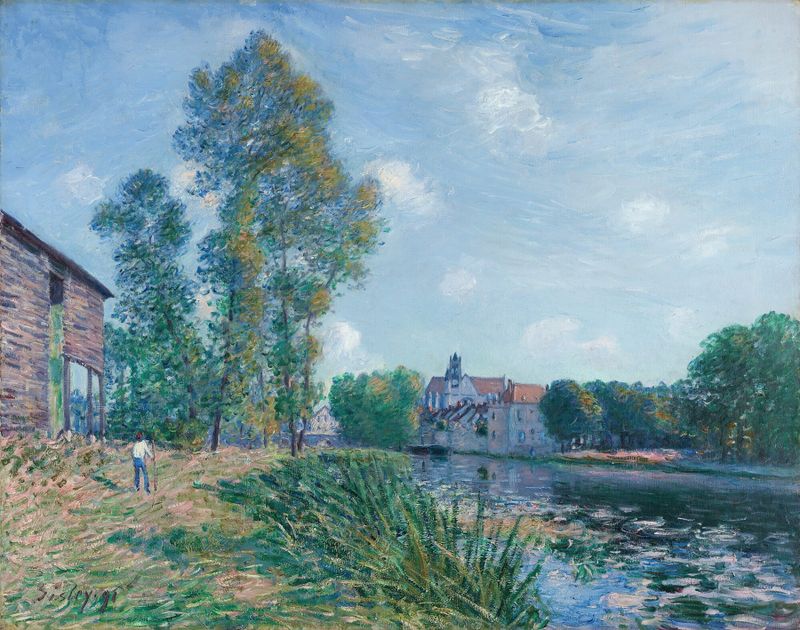
Le Loing À Moret, En Été
Alfred Sisley
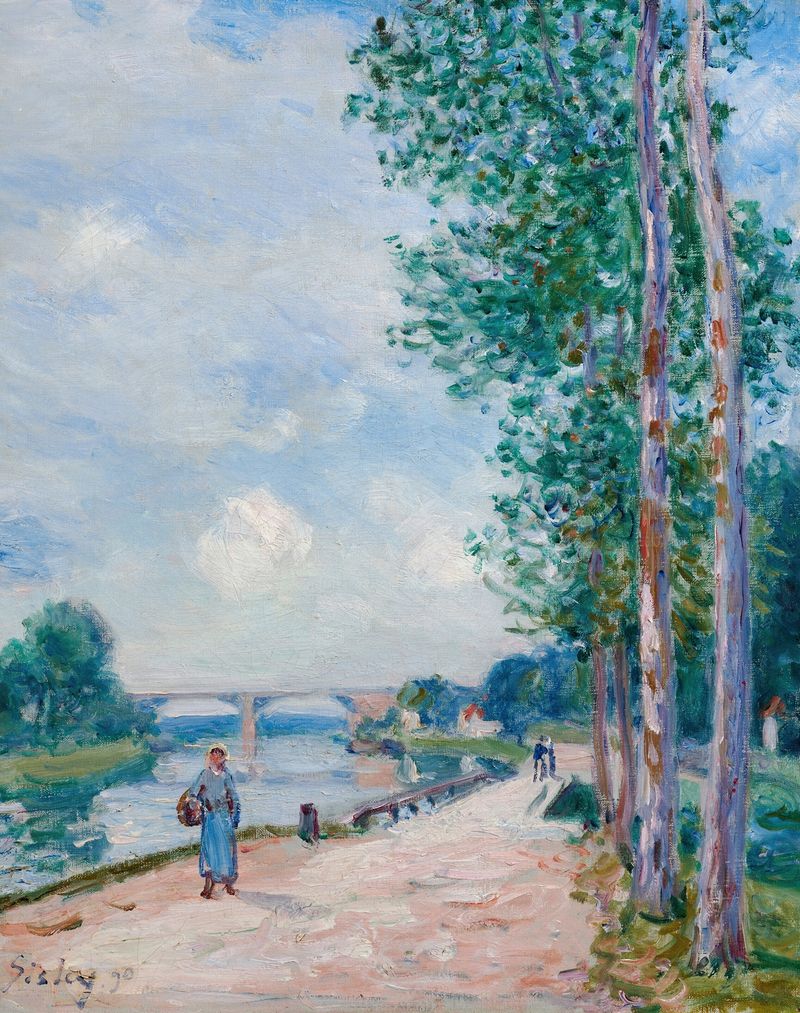
Les bords du Loing près de Moret
Alfred Sisley





