
Les Peupliers — History & Facts
In Les Peupliers, the delicate interplay of nature and memory captures a fleeting moment, preserving the essence of a legacy intertwined with sorrow. Look to the center of the canvas where towering poplar trees reach skyward, their slender trunks swaying gently against a backdrop of muted greens and soft blues. Notice how the brushstrokes blend seamlessly, the texture evoking the rustling of leaves above. The light dances upon the foliage, creating a shimmering effect that breathes life into the scene, while the gentle gradients of color suggest the encroaching dusk, an invitation for contemplation. Delve deeper into the emotional undertones of this landscape.
The vibrant yet subdued palette reflects the duality of beauty and melancholy, symbolizing the passage of time and the inevitability of change. Each tree stands as a sentinel of memories, an echo of the past—perhaps a poignant reminder of what has been lost. The quietude of the scene evokes a sense of nostalgia, drawing viewers into a world where nature witnesses the stories of those who have tread upon its soil. During the late 19th century when this painting was created, the artist found himself enveloped in the Impressionist movement, which sought to capture the ephemeral qualities of light and color.
Loiseau, living in France, was influenced by the evolving artistic landscape and his connection to the countryside. This period was marked by a growing appreciation for nature’s beauty and an exploration of personal expression amidst a rapidly changing world.
More Artworks by Gustave Loiseau
Browse all →
Rue de village en Normandie
Gustave Loiseau
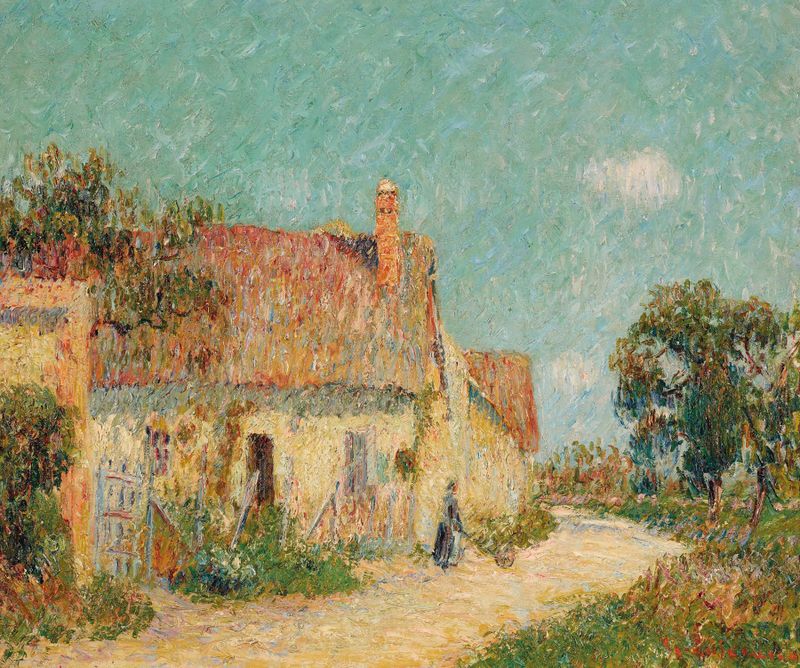
Chaumière en Normandie
Gustave Loiseau

Paysage d’Hiver à Chaponval
Gustave Loiseau
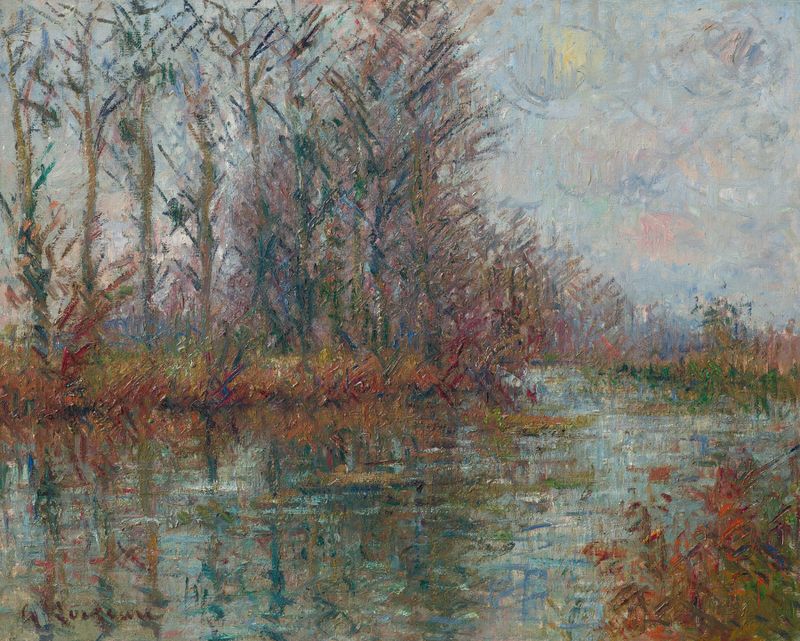
Tournant de rivière, L’Eure
Gustave Loiseau

Pont Marie, Paris
Gustave Loiseau

Le Bras De Mer
Gustave Loiseau

Le Pont Suspendu À Triel
Gustave Loiseau

Bord de la rivière
Gustave Loiseau
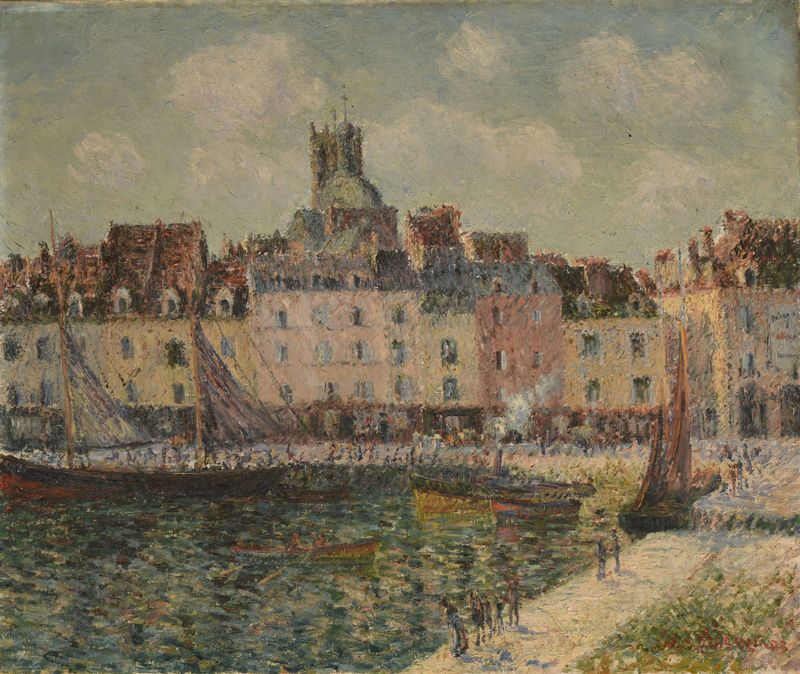
Le Quai Duquesne à Dieppe
Gustave Loiseau

Rocher la Teignouse, Cap Fréhel
Gustave Loiseau





