Levens, Westmoreland, The Small Drawing Room — History & Facts
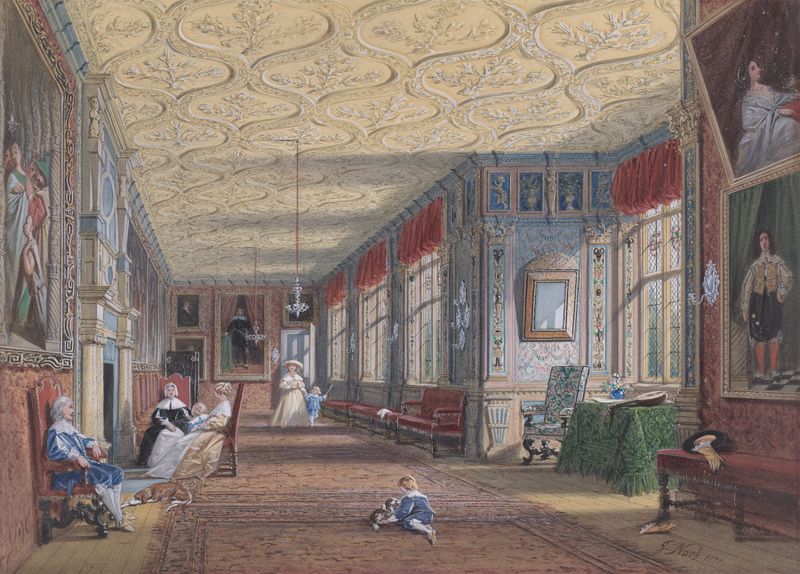
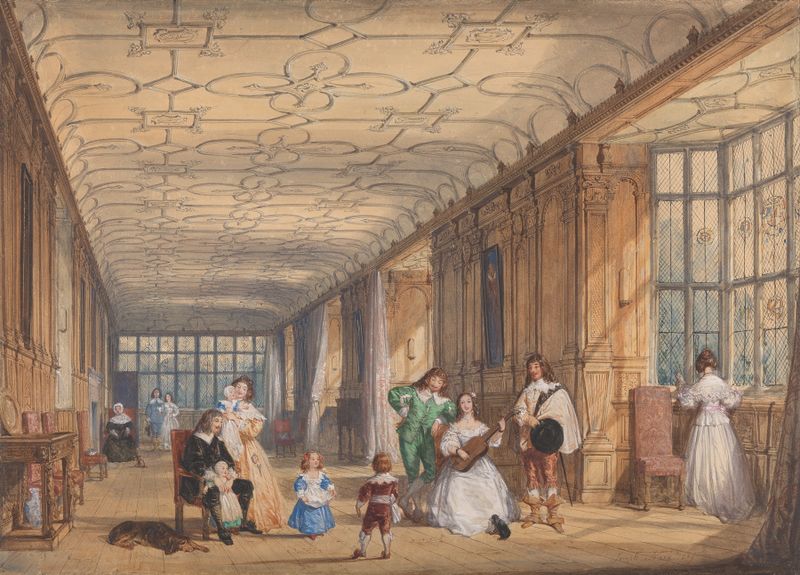
In the quietude of Levens, Westmoreland, The Small Drawing Room, the ethereal dance of light reveals the transcendence found in everyday life. Look to the right at the grand window, where soft rays filter through delicate curtains, casting intricate shadows across the wooden floor. Notice how the vibrant greens of the potted plants juxtapose with the muted hues of the furnishings, creating a harmonious balance that invites contemplation. The meticulous detailing in the wallpaper and furniture beckons the viewer to explore the subtleties of texture, while the composition leads your gaze through the room, guiding you from one exquisite element to another. Within this serene interior lies a narrative of contrasts.
The interplay of light and dark suggests both comfort and introspection, evoking a sense of peaceful solitude. Small details, such as the ornate rug and the quiet placement of decorative objects, speak to a life lived with care and intention. The space, while seemingly tranquil, resonates with a deeper longing for connection and understanding, hinting at stories woven into the very fabric of its existence. In 1873, Joseph Nash painted this intimate scene in the verdant landscape of Westmoreland, England.
At this time, he was celebrated for his detailed architectural renderings and his role in the Victorian revival of interest in decorative arts. The period was marked by a fascination with domestic spaces, which reflected both social status and personal identity, showing how art served as a mirror to the complexities of contemporary life.