
Levria — History & Facts
This reflection whispers of the complexities entwined in existence, a tapestry woven with threads of destiny and sorrow. Focus on the central figure, draped in ethereal fabrics that shimmer softly under an unseen light. The intricate details of the garments invite your gaze, each fold capturing the essence of weight and movement. Notice the delicate play of gold and earth tones, which evoke both warmth and a sense of melancholy, suggesting that beauty often carries an element of loss.
The background remains deliberately muted, allowing the figure to emerge almost as a vision from a forgotten dream. Within the composition, the contrast between light and shadow speaks of duality—the joyful yet haunting essence of life. The expression on the figure’s face hints at introspection or perhaps longing, prompting the viewer to ponder the stories hidden beneath the surface. Each element, from the elegantly poised hand to the tension in the fabric, contributes to the narrative of a destiny that is both alluring and tragic, encapsulating a moment where beauty and pain coexist. Created during an undetermined period, Levria reflects the evolving artistic landscape of the early 19th century.
Charles Hamilton Smith, a British artist renowned for his detailed depictions of natural history and the human form, inhabited a world straddling Romanticism and emerging Realism. His work often mirrored the tensions of his time, echoing the complexities of existence amidst the burgeoning shifts in societal values and artistic expression.
More Artworks by Charles Hamilton Smith
Browse all →
Situation of H.M.S. Hecla & Griper
Charles Hamilton Smith
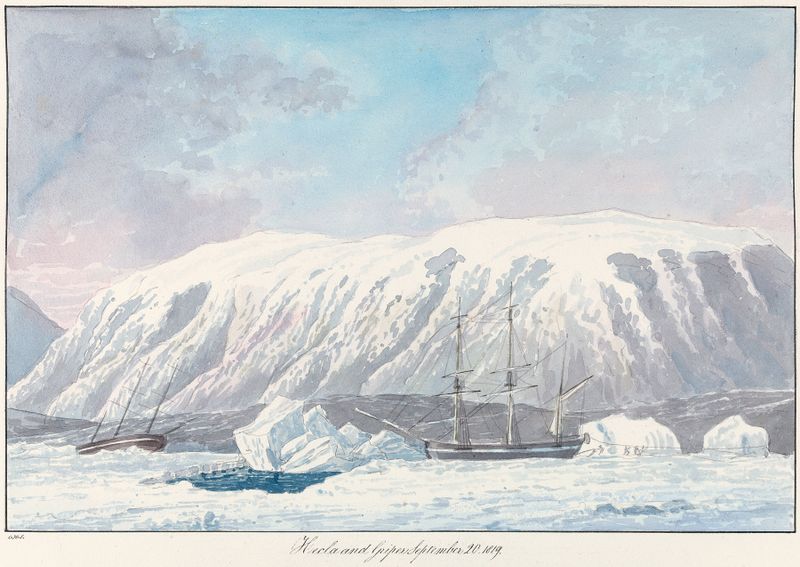
Hecla and Griper
Charles Hamilton Smith

Friendly Cove, Nootka Sound
Charles Hamilton Smith

Iceberg in Baffin’s Bay
Charles Hamilton Smith
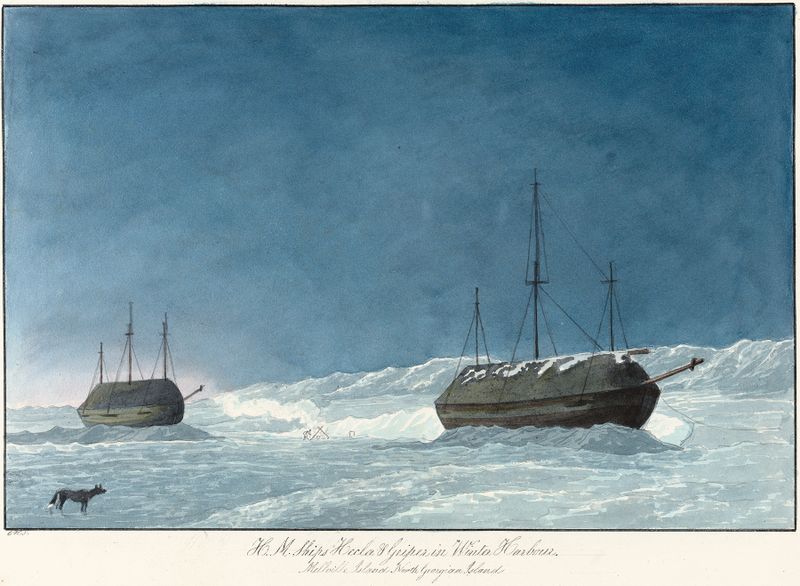
H. M. Ships Hecla and Griper in Winter Harbour
Charles Hamilton Smith

The Erebus & Terror in a Gale in the Pack of the Ice
Charles Hamilton Smith
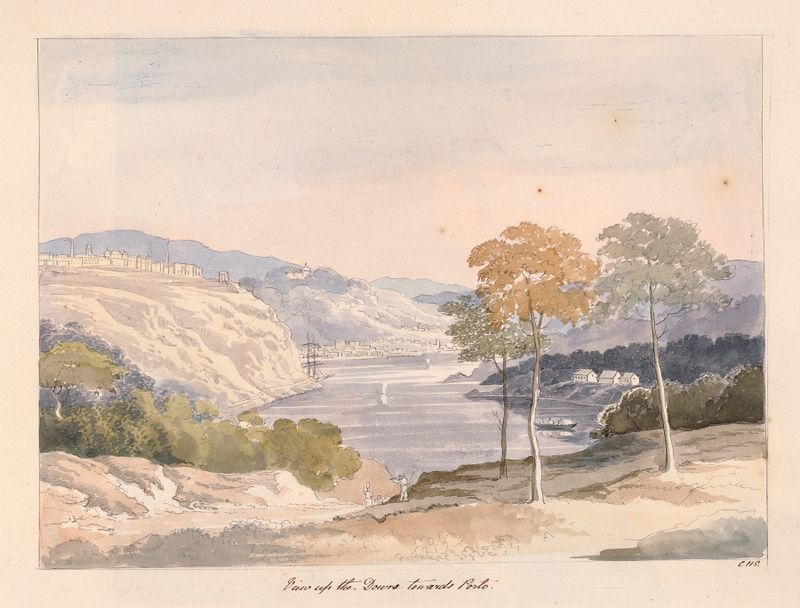
View of the Douro towards Porto
Charles Hamilton Smith
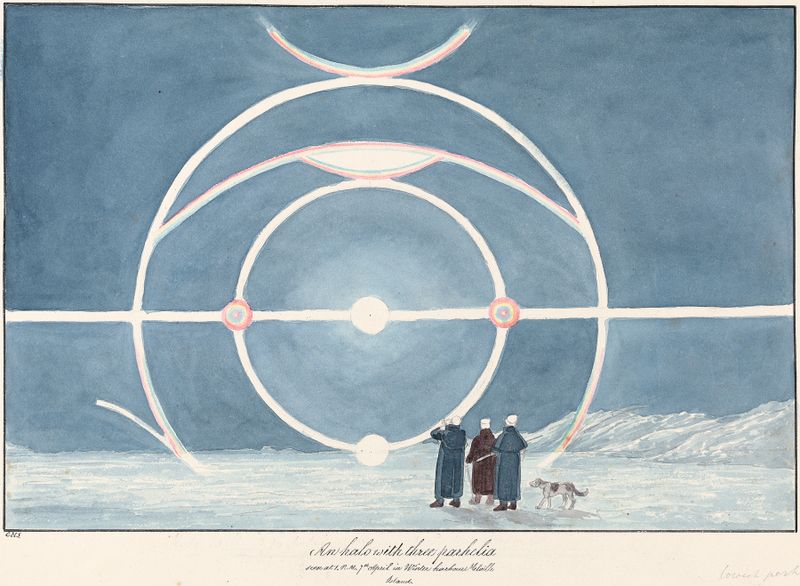
Halo with Three Parhelia, Winter Harbour Melville Island
Charles Hamilton Smith
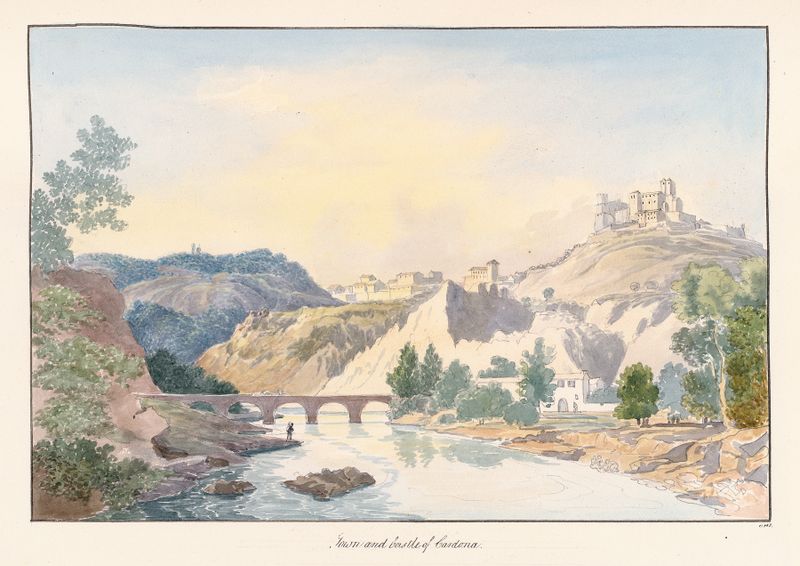
Town and Castle of Cardona
Charles Hamilton Smith
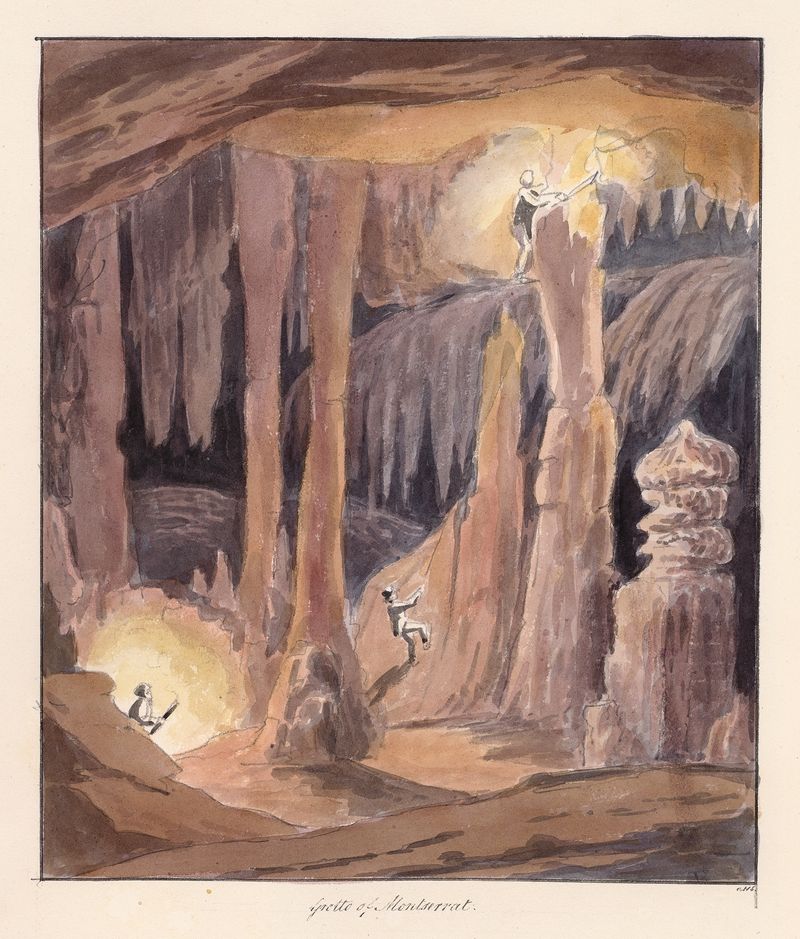
Grotto of Montserrat
Charles Hamilton Smith





