
L’église Saint-Germain-des-Prés — History & Facts
Is this a mirror — or a memory? The delicate interplay of light and shadow in the painting invites the viewer into a world where nostalgia dances with longing, evoking a profound sense of melancholy. Look to the left at the gracefully arching spires of the church, their reflections shimmering in the water below. The artist employs a soft palette of cool blues and muted grays, contrasting with warmer, golden accents that capture the fleeting warmth of afternoon light. The brushwork is fluid, almost impressionistic, allowing the scene to feel ethereal while anchoring it in a tangible reality.
Notice how the rippling surface of the water blurs the lines between the solid and the ephemeral, emphasizing the transient nature of time. Beneath the surface, a deeper narrative unfolds. The church, a symbol of permanence and faith, stands in stark juxtaposition to the fragile reflections that ripple away, suggesting the ephemerality of memory itself. The almost haunting calmness of the water hints at a longing for the past, while the vibrant colors remind us of life's transient beauty.
Together, these contrasts create a poignant tension, inviting contemplation of both the sacred and the impermanent. Around 1900, the artist found himself in a period marked by both personal and artistic exploration while in Paris, where he captured the essence of the Saint-Germain-des-Prés area. This painting emerged in the context of the late Impressionist movement, as artists sought to convey not just scenes but the emotional weight of their environments. Boggs was influenced by the reflections of urban life and its juxtaposition with tradition, creating a work that resonates with both nostalgia and the vibrancy of contemporary experience.
More Artworks by Frank Myers Boggs
Browse all →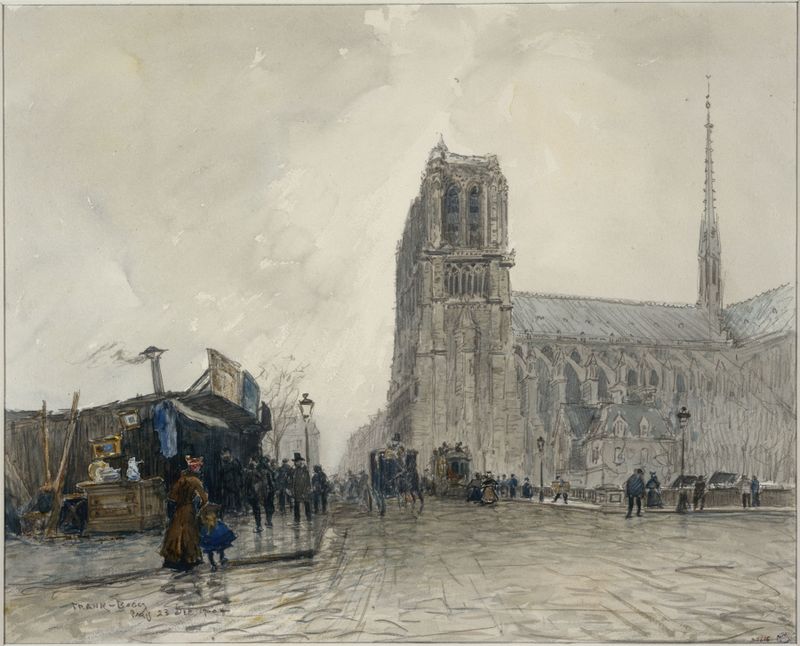
Notre-Dame vue du Pont au Double
Frank Myers Boggs
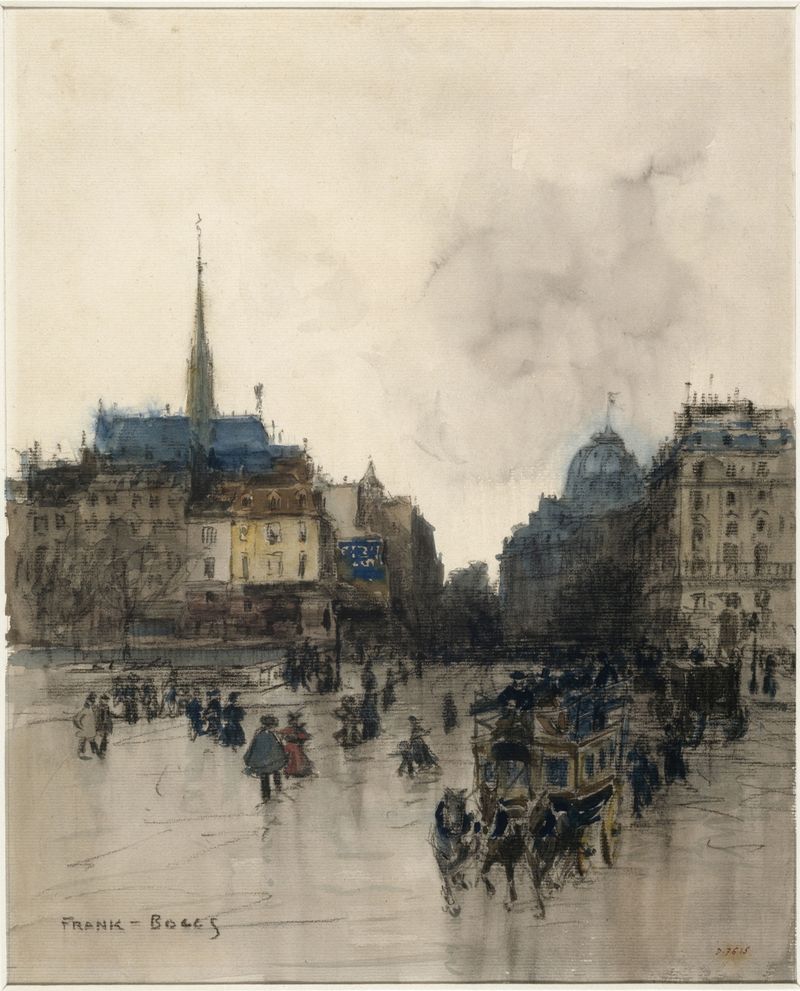
Le pont Saint-Michel
Frank Myers Boggs
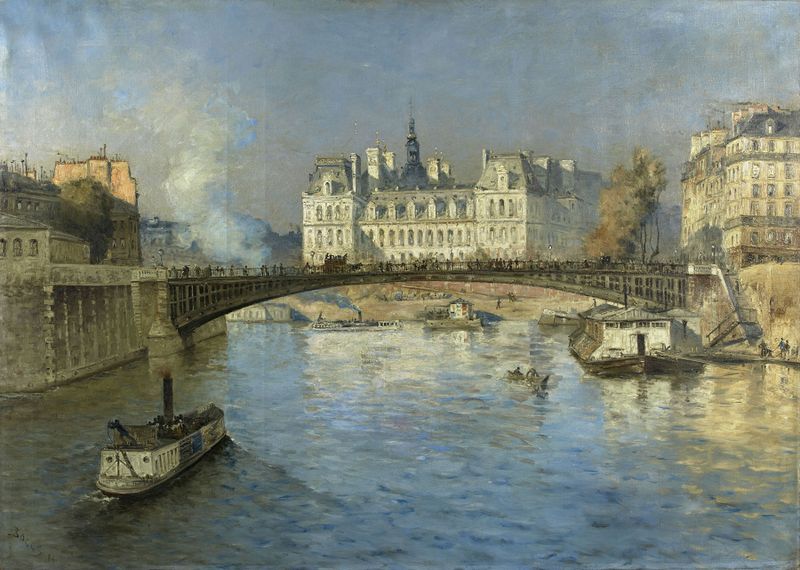
Paris, la Seine et l’Hôtel de Ville
Frank Myers Boggs
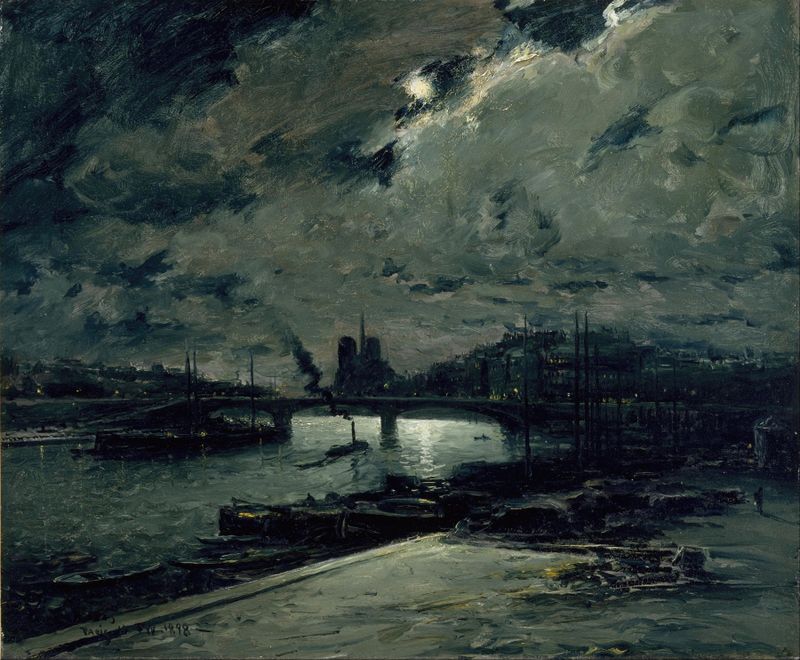
Quai de la Seine, Paris, au Clair de Lune
Frank Myers Boggs
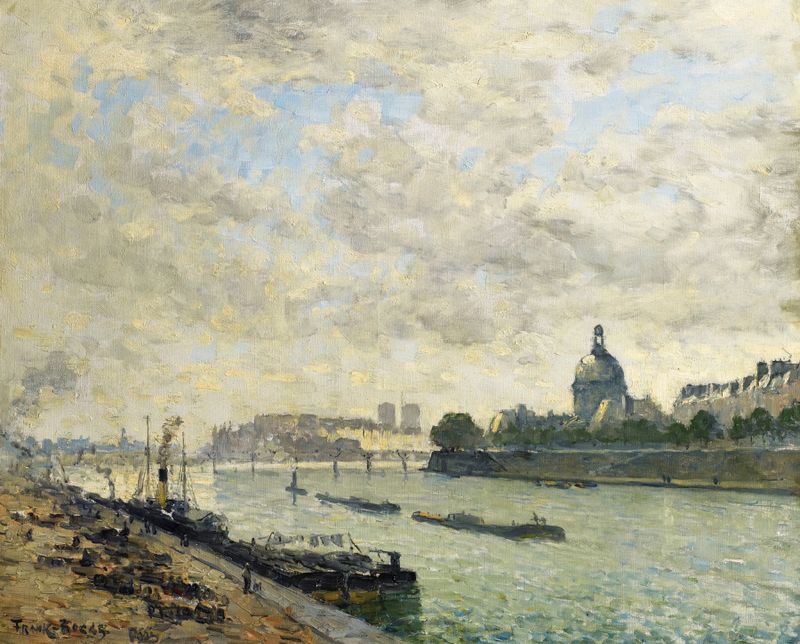
Les quais de Seine à Paris
Frank Myers Boggs
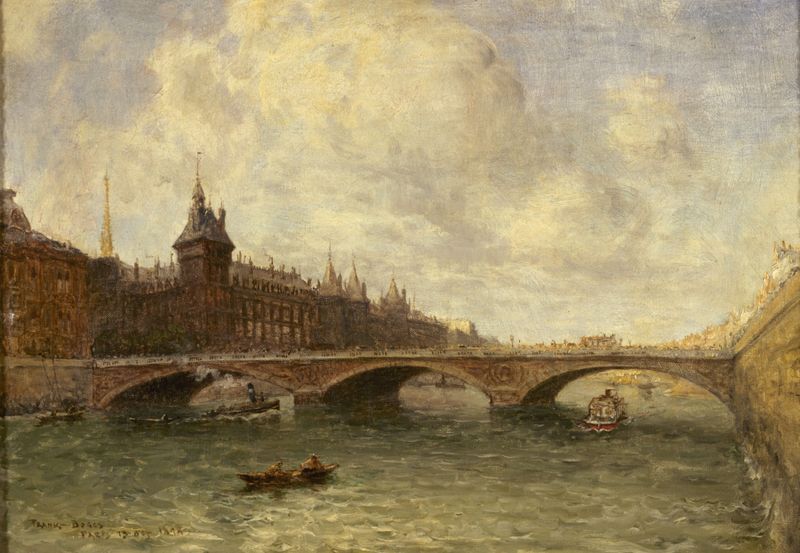
Le pont au change et le quai de l’horloge
Frank Myers Boggs
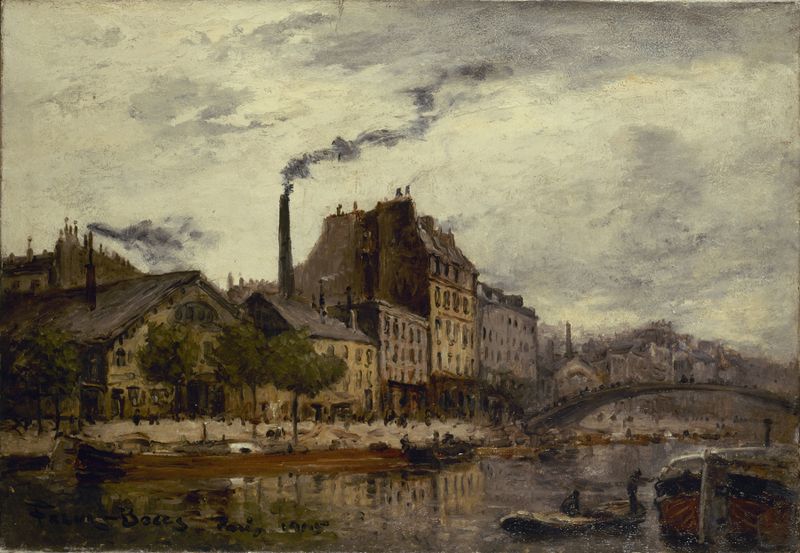
La démolition de l’ancien pont de la Tournelle
Frank Myers Boggs
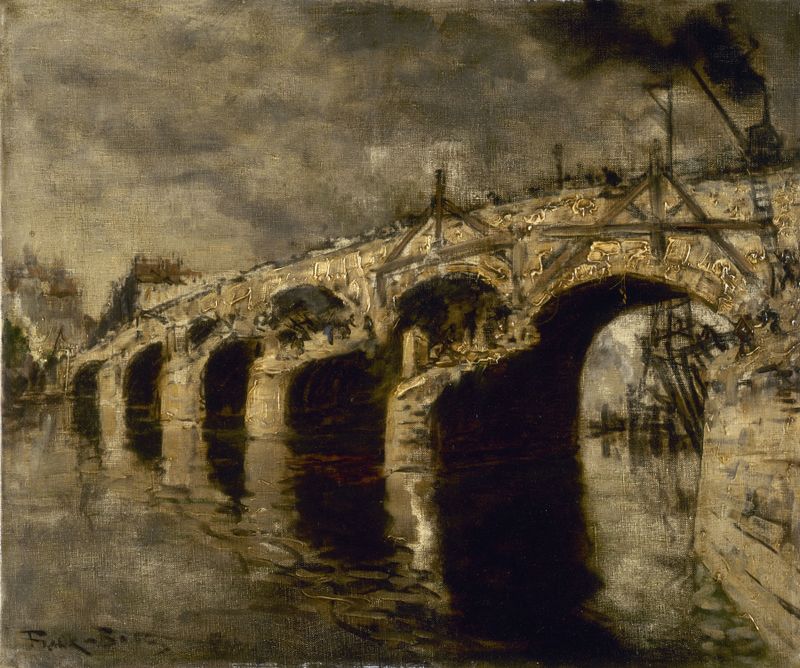
La démolition de l’ancien pont de la Tournelle
Frank Myers Boggs

La tour Saint-Jacques
Frank Myers Boggs
Le Moulin de la Galette
Frank Myers Boggs





