L’Hiver dans la montagne de Reims — History & Facts
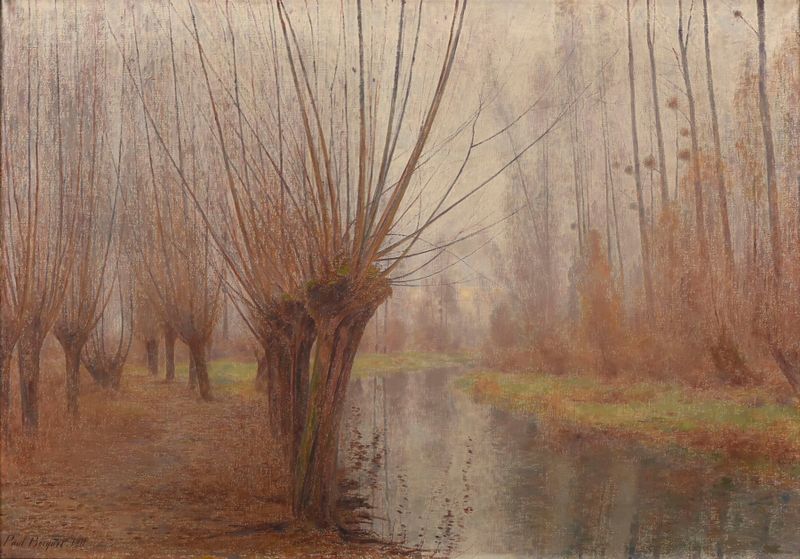
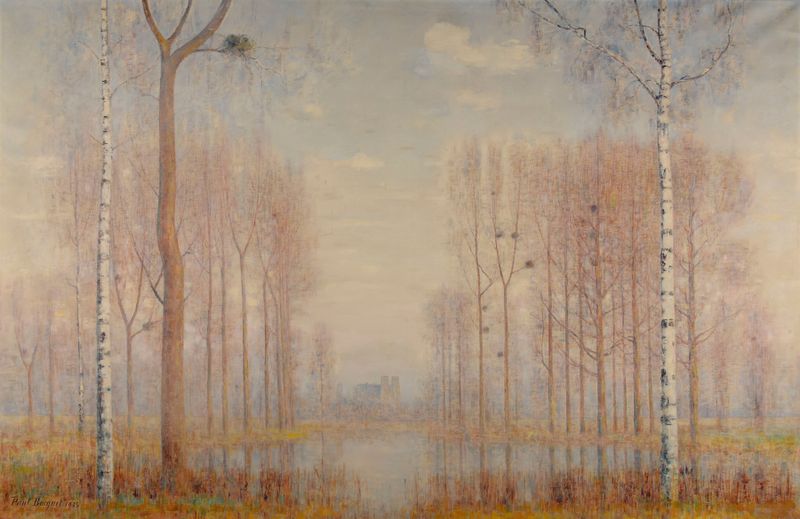
When did color learn to lie? In the realm of art, innocence is often cloaked in hues that betray the harsh truths beneath the surface. Focus on the expansive canvas, where winter's grip on the landscape dominates the scene. Notice how the cool blues and whites of the snow create an ethereal tranquility, contrasting sharply with the subtle touches of warmer, sunlit colors peeking through the trees. The brushstrokes weave together a tapestry of texture, inviting the viewer to delve deeper into the serene yet somber atmosphere of the mountains. The juxtaposition of light and shadow plays a critical role in evoking emotional tension.
While the idyllic scene may suggest a peaceful winter day, there is an underlying chill that speaks to the harshness of life and the inevitable passage of time. Look closely, and you'll see the bare branches of the trees reaching skyward like skeletal hands, a reminder of nature's fragility and the innocence lost in the cycle of seasons. Created in 1903, L’Hiver dans la montagne de Reims emerged from the brush of Paul Bocquet during a period marked by the transition into modernism in France. As the art world wrestled with new ideas and movements, Bocquet was establishing his own voice, capturing the delicate interplay of nature and emotion.
His works reflect a personal exploration of color and form amid a rapidly changing societal landscape, offering us this poignant glimpse into winter's quiet embrace.