
Liefde (Caritas) — History & Facts
Can paint confess what words never could? In Liefde (Caritas), the essence of love and compassion is captured in a moment that transcends the limitations of verbal expression, revealing a depth of connection that resonates across centuries. Look to the center of the composition where two figures encircle each other, their bodies leaning in with a gentle, protective embrace. The artist employs soft, earthy tones juxtaposed with brighter highlights, illuminating the tenderness of their interaction. Notice how the intricate detailing of their garments draws the eye, inviting exploration of the ornate textures that signify status and grace, while the background remains intentionally subdued, allowing the emotional core to shine. As your gaze drifts to the figures' expressions, you can sense the complexity of their bond—a blend of intimacy and vulnerability.
The contrast between their serene demeanor and the surrounding simplicity evokes an underlying tension, as if their love is a quiet yet revolutionary act amidst a world that often overlooks such connections. The subtle gestures, like the intertwining of their hands, reinforce themes of unity and sacrifice, embodying a love that transcends mere affection. During the early 16th century, while creating this piece, Beham was part of a flourishing artistic milieu in Nuremberg, a hub of innovation and intellectual discourse. The Reformation was stirring social upheaval, and artists were beginning to explore themes of humanism and individual experience in their works.
This painting reflects that transformative period, as the artist sought to express profound human emotions against a backdrop of societal change.
More Artworks by Hans Sebald Beham
Browse all →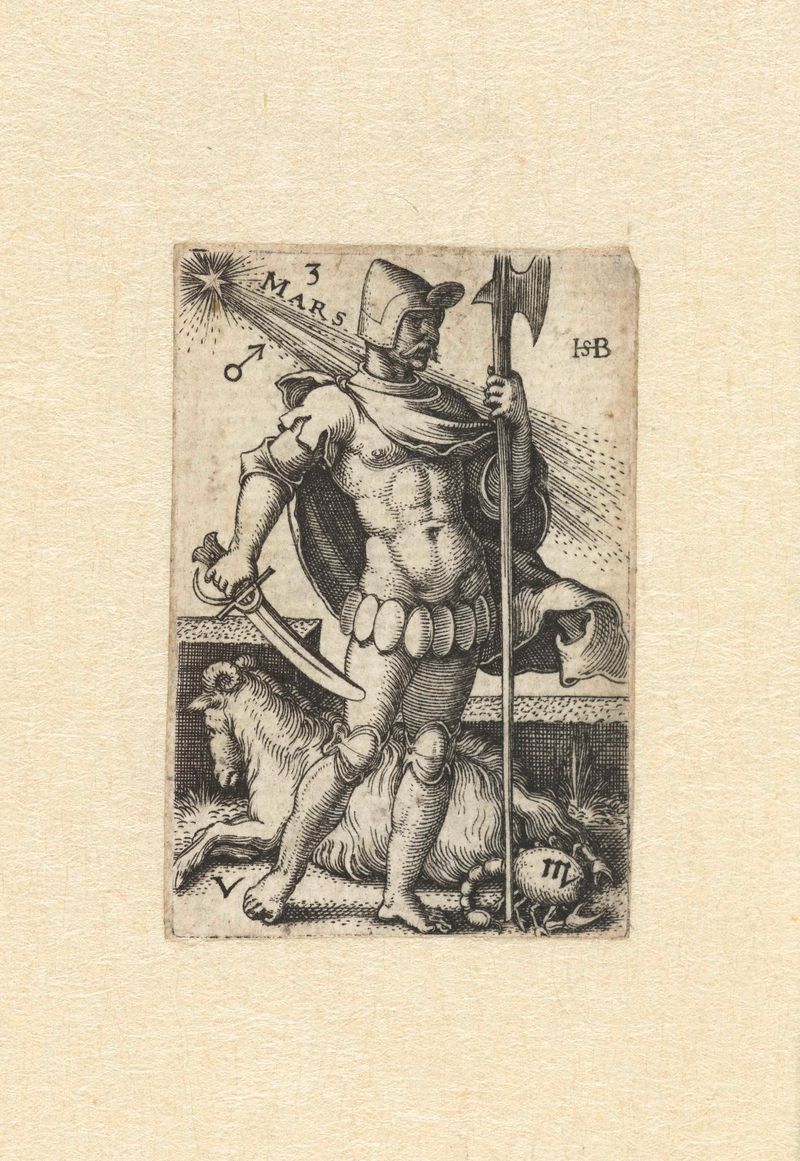
Mars met sterrenbeelden Ram en Schorpioen
Hans Sebald Beham

Achilles in gevecht met Hector
Hans Sebald Beham
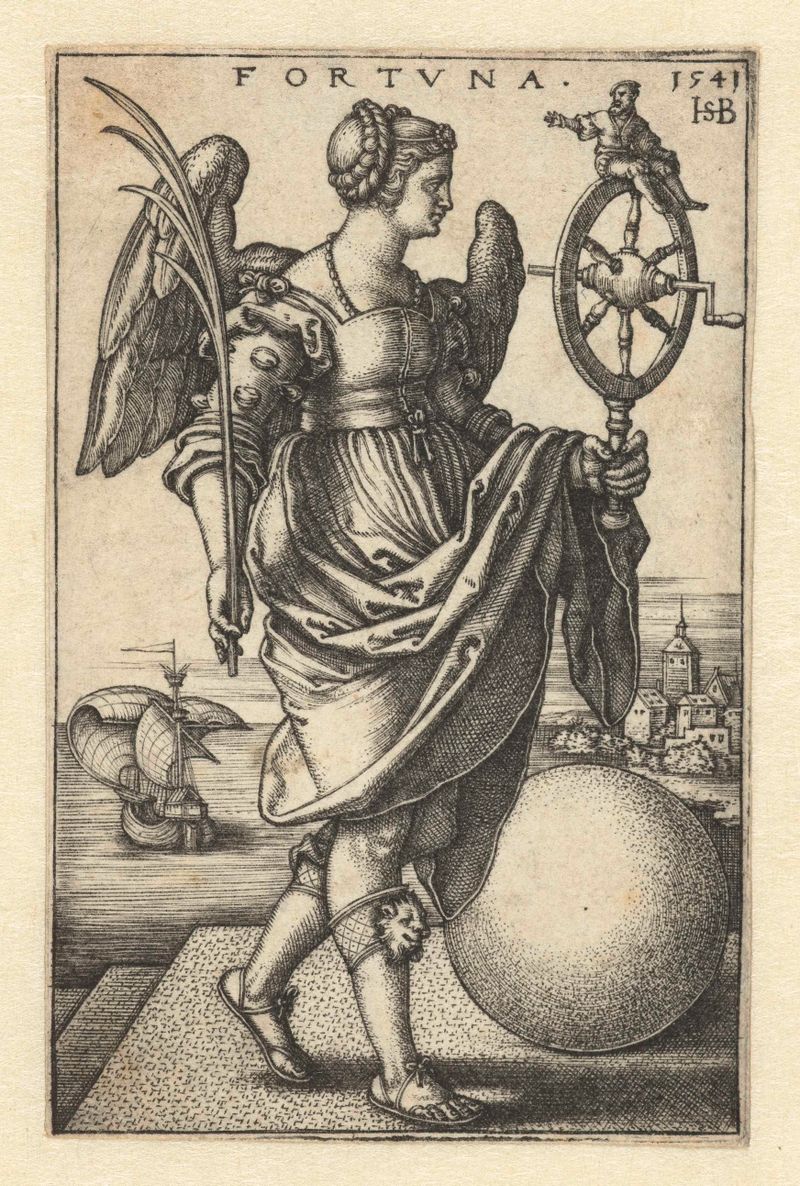
Fortuna
Hans Sebald Beham

Hercules worstelt met Antaeus
Hans Sebald Beham

Twee muzikanten met schalmey en doedelzak
Hans Sebald Beham

Voorzichtigheid (Prudentia)
Hans Sebald Beham

Hercules in gevecht met de Trojanen
Hans Sebald Beham
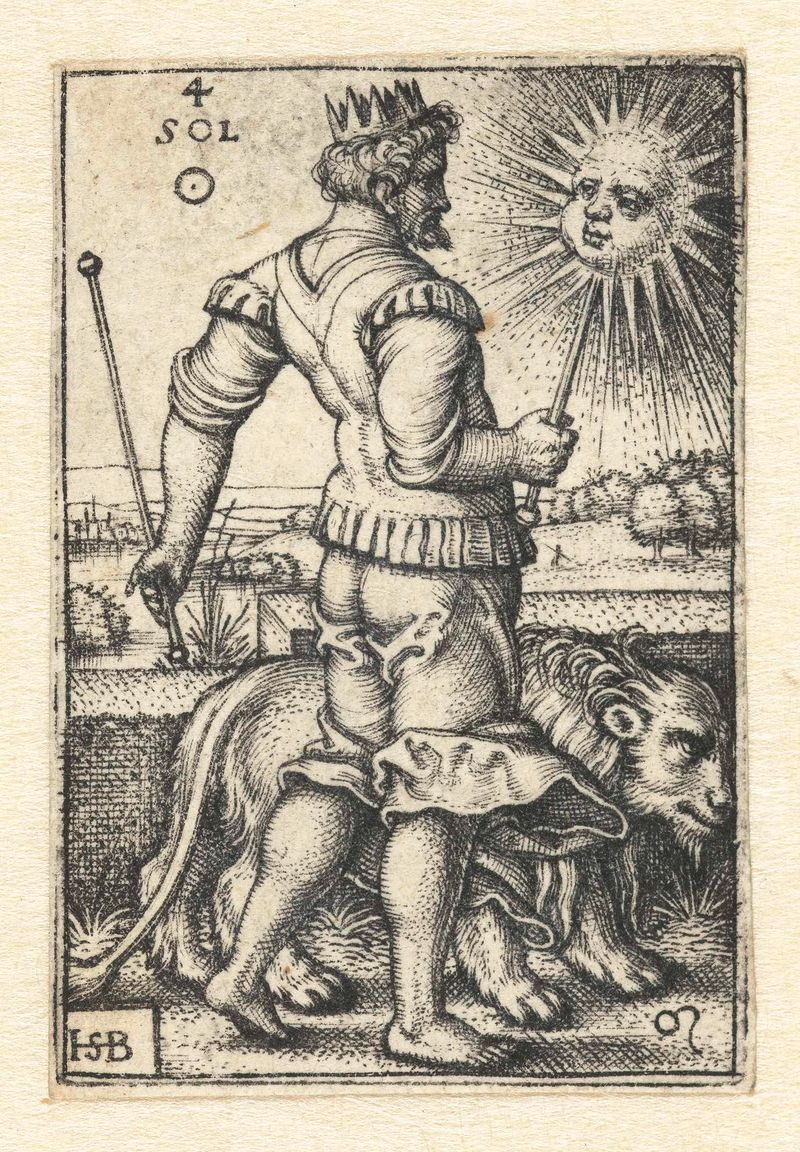
Apollo (Sol) met sterrenbeeld Leeuw
Hans Sebald Beham
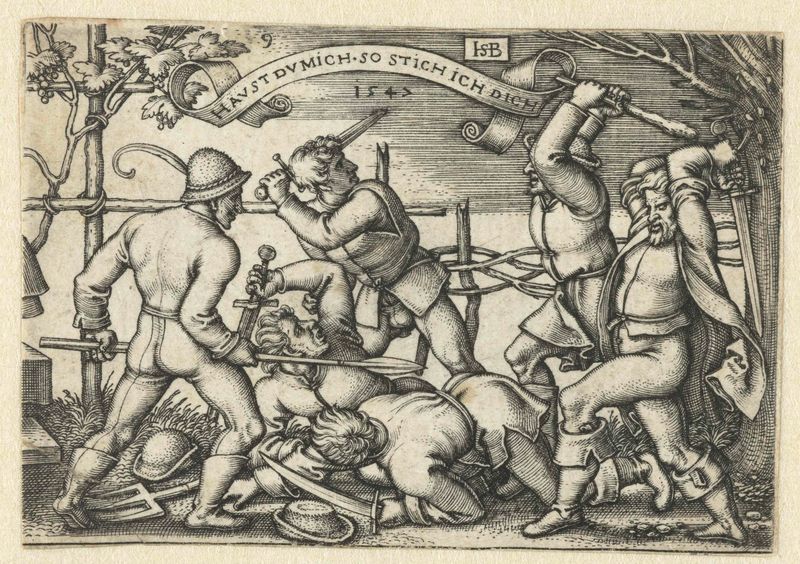
Vechtende boeren met zwaarden
Hans Sebald Beham
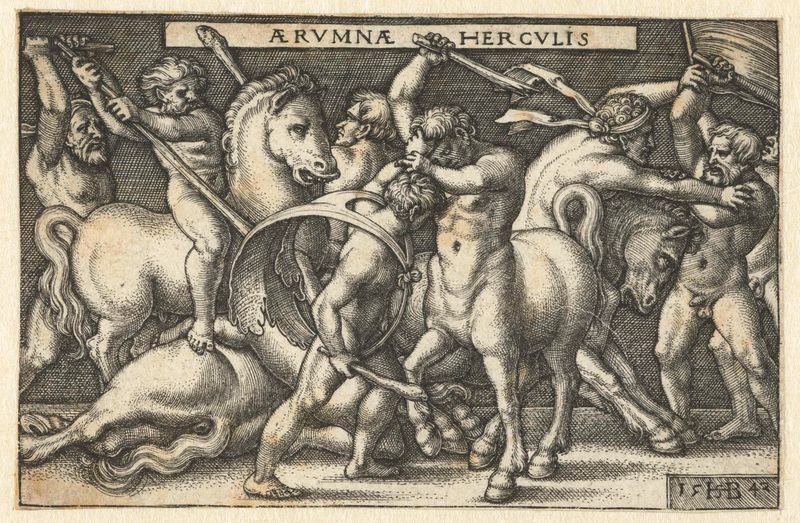
Hercules in gevecht met centaurs
Hans Sebald Beham





