
Life of our pioneers — History & Facts
Where does light end, and longing begin? In Life of our pioneers, a raw exploration of resilience unfolds against the backdrop of a tumultuous era, inviting us to ponder the passage of time and the weight of human experience. Look to the center of the canvas, where figures emerge in muted earth tones, their postures suggesting both weariness and determination. The artist employs a soft palette of browns and greens, evoking a sense of nostalgia while contrasting the harsh realities of pioneer life. Notice how the light gently bathes the scene, casting long shadows that stretch across the ground, symbolizing the ongoing struggle and the lingering memories of those who have come before. Delve deeper into the composition, where each figure tells a story of sacrifice and perseverance.
The rough texture of the clothing and the lines etched into their faces hint at lives lived in pursuit of hope and security. Yet, amidst the ruggedness, there is an undeniable beauty in their unity, a quiet strength that speaks to the indomitable human spirit. The juxtaposition of light and shadow serves as a metaphor for the duality of life—joy intertwined with sorrow, progress shadowed by sacrifice. Created in 1915, Life of our pioneers reflects the artist's immersion in the struggles faced by communities during a time of social and economic upheaval.
Working in the United States, A. Czaykowsky was influenced by the burgeoning American art movements that sought to capture the essence of everyday life. This piece stands as a testament not only to the pioneers' legacy but also to an era in which artists began to embrace a more profound narrative grounded in the realities of human existence.
More Historical Art
Browse all →
The Night Watch Militia Company of District II under the Command of Captain Frans Banninck Cocq
Rembrandt van Rijn
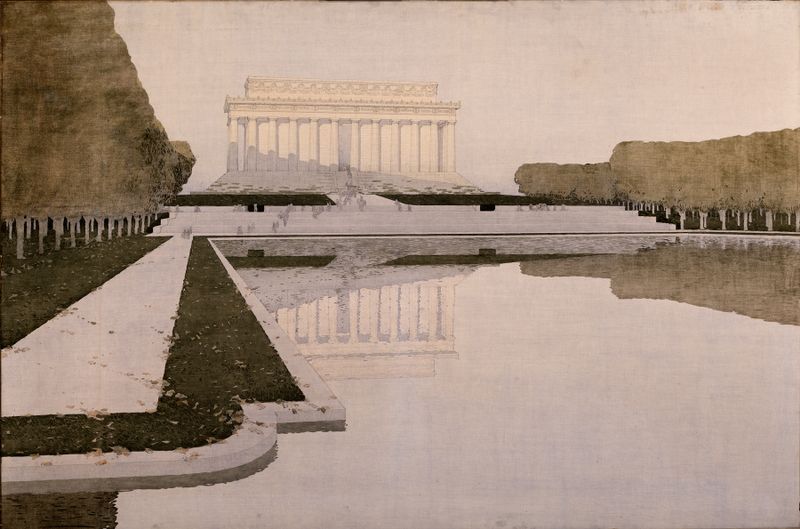
Lincoln Memorial
Henry Bacon
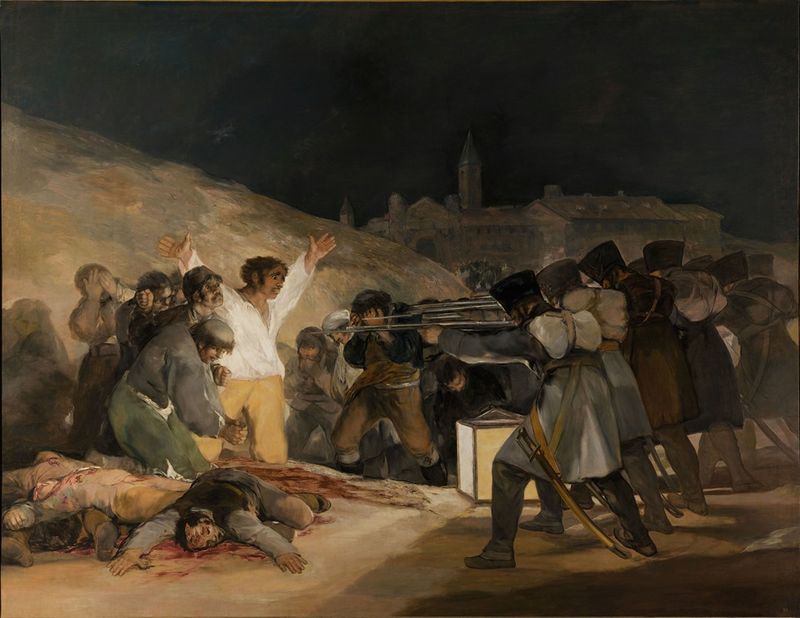
The Third of May 1808
Francisco de Goya

Isaac and Rebecca, Known as ‘The Jewish Bride’
Rembrandt van Rijn
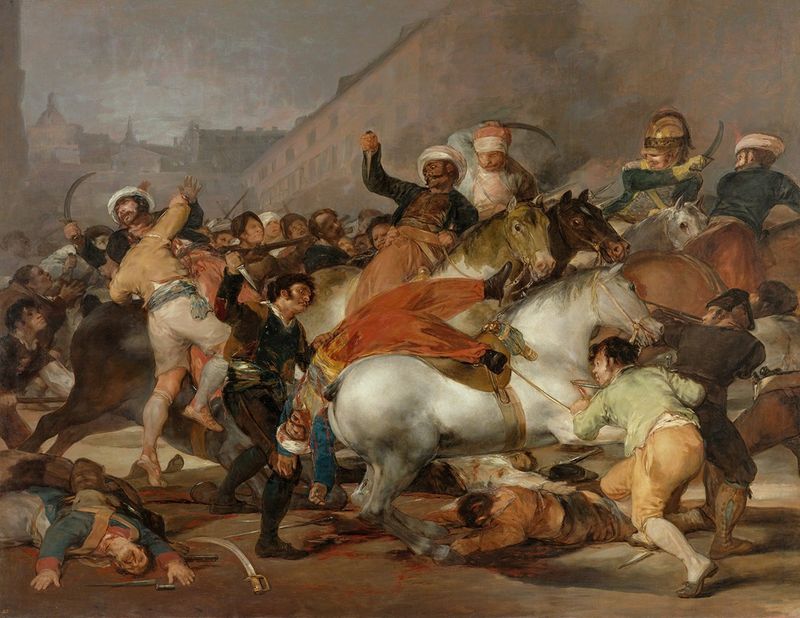
The Charge of the Mamelukes (1814)
Francisco de Goya

De vier ruiters van de apocalyps
Albrecht Dürer