Limburgs — History & Facts
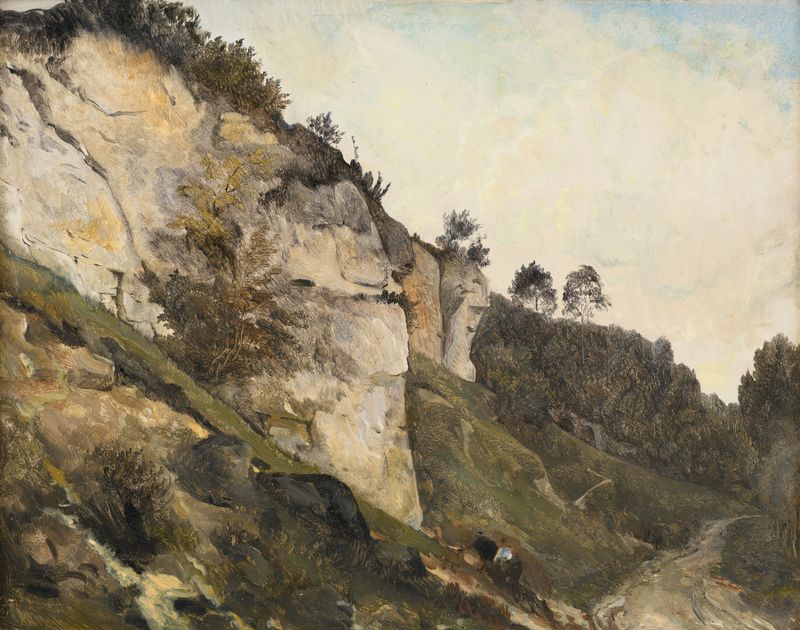
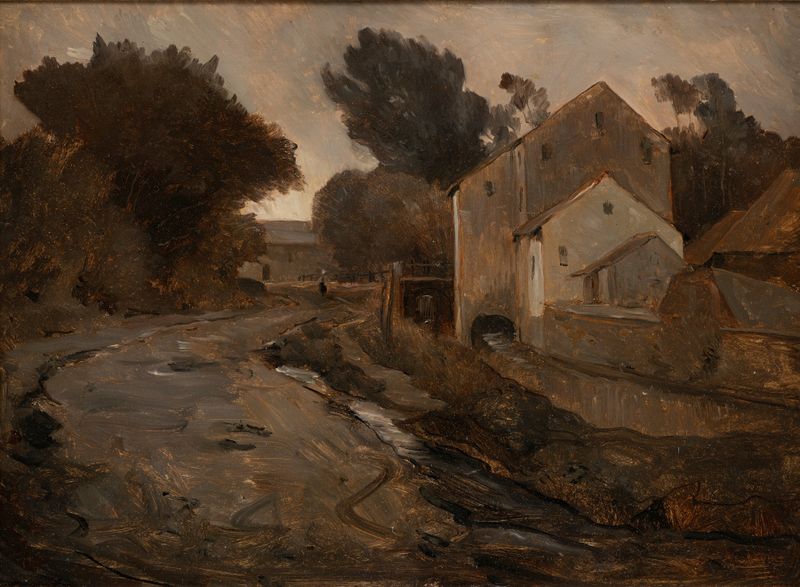
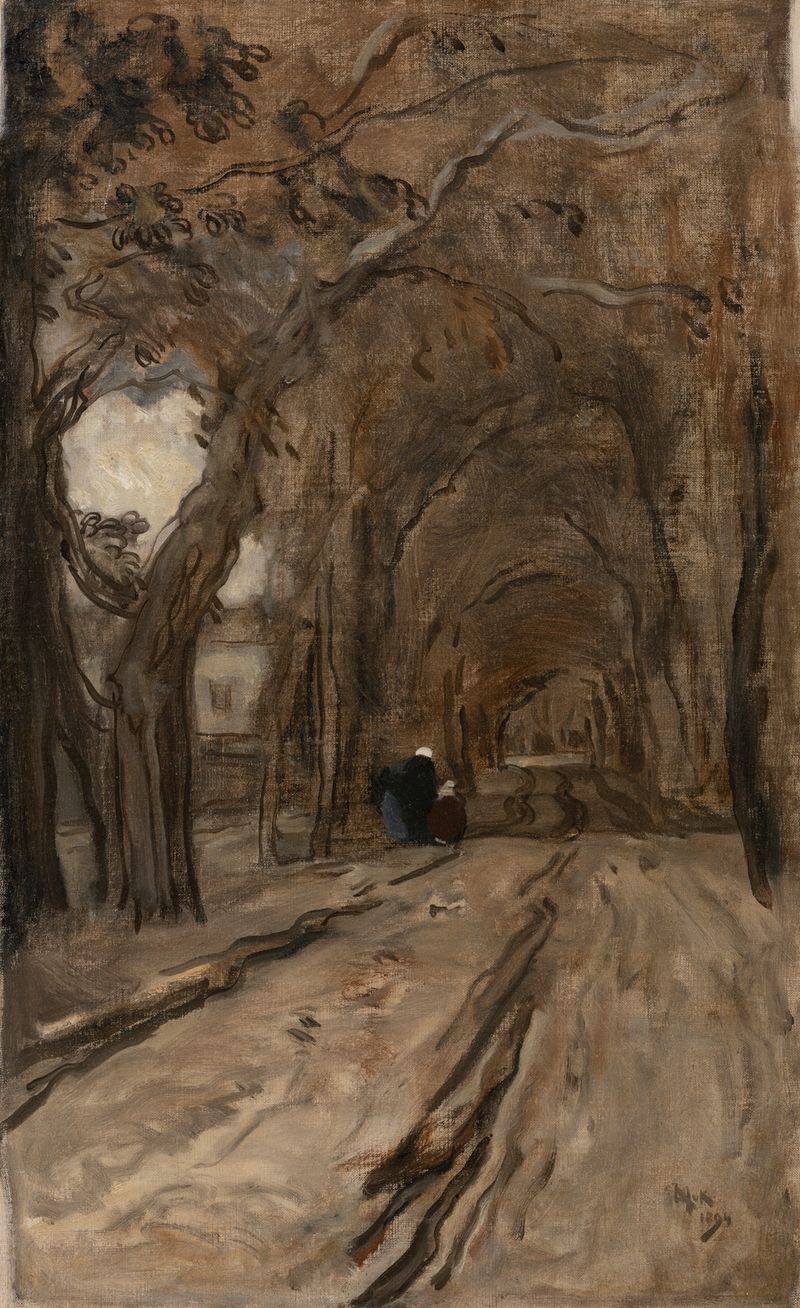
What if beauty was never meant to be finished? In Limburgs, the shadows whisper secrets of time and depth, inviting viewers to contemplate the transient essence of existence. Look to the left at the delicate interplay of light and dark, where the shadowy contours of the landscape create an almost ethereal quality. The muted earth tones blend seamlessly with soft hues, allowing the viewer's gaze to wander through the verdant hills and quiet valleys. Notice how the light falls upon the foreground, illuminating patches of lush greenery while allowing deeper shadows to linger, creating a sense of mystery and depth that draws you into the scene. This artwork captures the tension between light and shadow, evoking feelings of nostalgia and solitude.
The silhouettes seem to tell a story of a world that exists just beyond the visible, where both beauty and melancholy intermingle. The subtle shifts in color reflect not only the moment captured but also the emotional landscapes we traverse in our lives—each glance revealing new layers of meaning and reflection. In 1888, Willem van Konijnenburg painted Limburgs during a time when he was deeply engaged in exploring the nuances of light in landscape painting. Living in the Netherlands, he was inspired by the natural beauty surrounding him and the artistic movements that sought to capture the ephemeral qualities of the world.
This piece reflects his growing mastery of color and form, aligning with the late 19th-century shift towards impressionism and its emphasis on perception and atmosphere.