Onder Brakkenbos bij Geulem, Zuid-Limburg — History & Facts
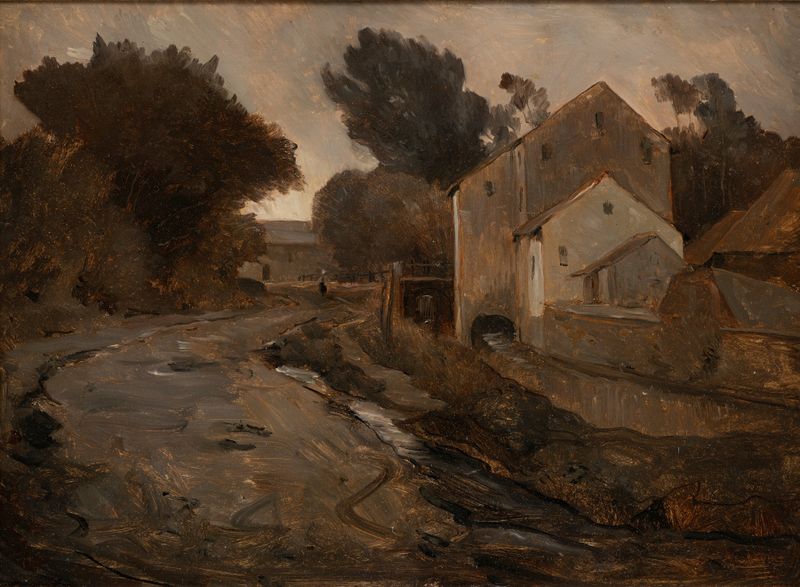
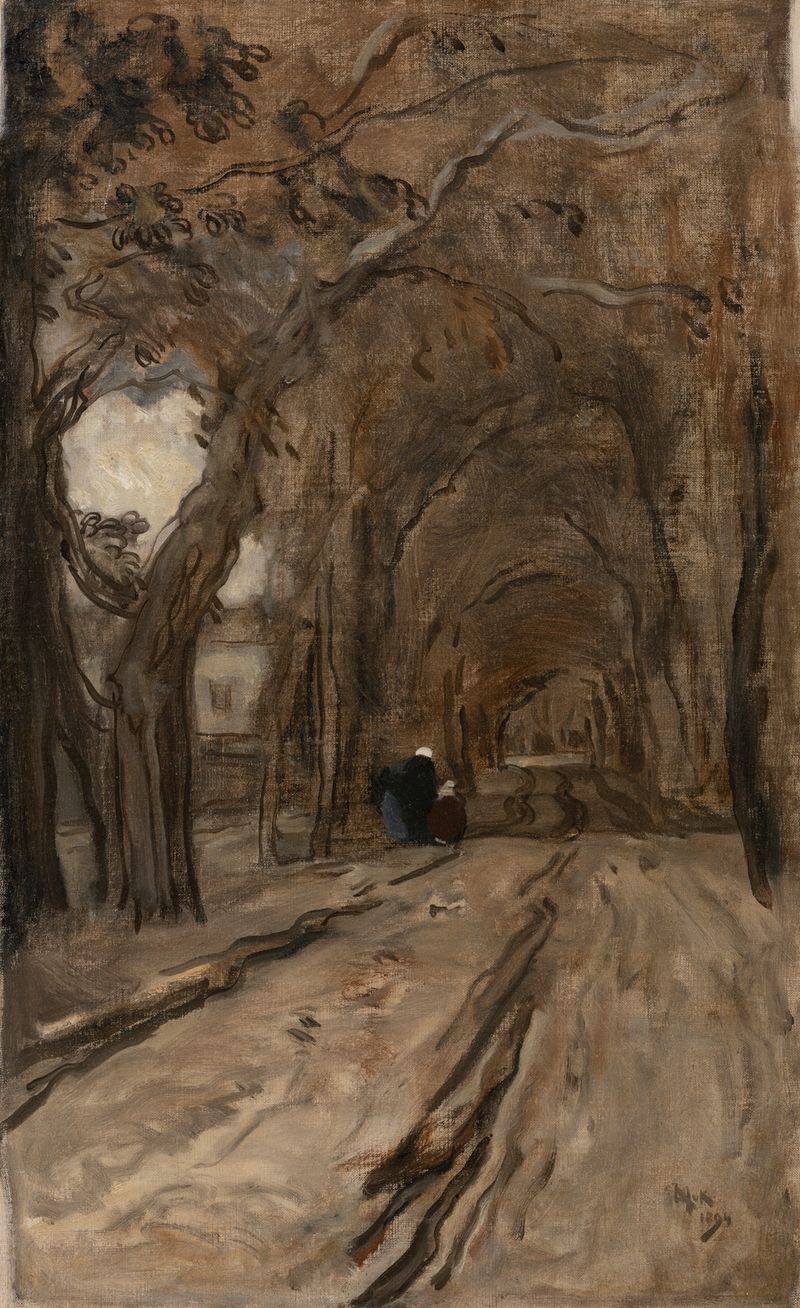
It breathes life into the stillness of its painted world, inviting the viewer to step into a moment of serene creation. The soft brushstrokes echo the artist's intent, revealing layers of emotion and thought that linger beneath the surface. Look to the foreground where the gentle curves of the landscape cradle the eye, guiding it towards the distant horizon. Wisps of clouds drift lazily across a pale blue sky, while patches of sun-drenched earth showcase a palette of greens and browns, interspersed with delicate floral hints.
Notice how the juxtaposition of light and shadow reveals the textured surface of the canvas, each stroke a whisper of the artist’s hand intertwined with nature’s intricacies. Beneath this tranquil scene lies a deeper narrative—a reflection on the relationship between man and environment. The muted colors evoke a sense of nostalgia, while the harmonious composition speaks of balance and tranquility. Here, the land is not merely depicted; it becomes a character in its own right, embodying both solitude and connection within its embrace. In 1922, the artist worked in the Netherlands, a period marked by the aftermath of World War I.
Art movements were shifting, with many exploring the interplay of realism and abstraction. It was in this environment of experimentation that he sought inspiration from the serene landscapes of Zuid-Limburg, pursuing a harmonious dialogue with nature that would resonate throughout his career.