
Lincoln Monument — History & Facts
What if silence could speak through light? The stark contrast between brilliance and shade in Lincoln Monument evokes the whispers of history, capturing the essence of a legacy that endures amid decay. Look to the center of the composition, where the majestic figure of Abraham Lincoln stands solemnly, carved in stone yet infused with a lifelike presence. Notice how the light falls gently upon his face, illuminating the wisdom etched in his features, while the surrounding shadows loom ominously, suggesting the weight of time. The meticulous details of his cloak and the base of the monument draw the eye, showcasing the artist's skill in rendering textures that evoke both reverence and the passage of years. Delve deeper into the scene, and you'll observe the subtle signs of wear—cracks and weathering that speak to the inevitability of decay.
Each fissure in the stone symbolizes the fleeting nature of human life and the permanence we seek in memorials. This tension between permanence and transience evokes a poignant reflection on memory, legacy, and the ways we honor those who have shaped our world. In 1926, the Lincoln Monument was created during a time when America was grappling with its identity and the impact of the Great War. Chas.
R. Graham Co. was working in a period marked by both technological advancement and a resurgence of interest in historical figures.
This monumental work speaks to the artist's desire to honor Lincoln while simultaneously acknowledging the passage of time and the complexities of history.
More Artworks by Chas. R. Graham Co.
Browse all →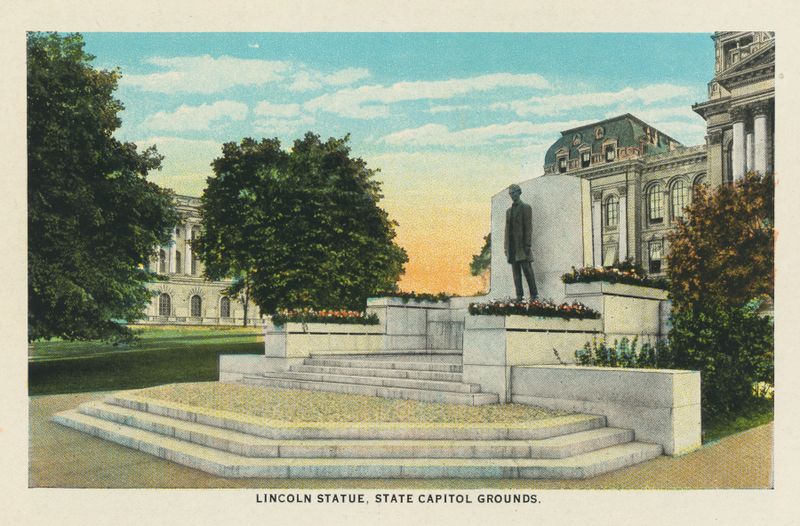
More Historical Art
Browse all →
The Night Watch Militia Company of District II under the Command of Captain Frans Banninck Cocq
Rembrandt van Rijn

Lincoln Memorial
Henry Bacon

The Third of May 1808
Francisco de Goya

Isaac and Rebecca, Known as ‘The Jewish Bride’
Rembrandt van Rijn

The Charge of the Mamelukes (1814)
Francisco de Goya

De vier ruiters van de apocalyps
Albrecht Dürer