
Little Hell Gate, Harlem — History & Facts
Did the painter know this moment would outlive them? The air hangs thick with illusion, as if the scene could dissolve at any moment, yet it remains forever captured in the canvas' embrace. Focus on the vibrant interplay of light and shadow across the water, where rippling reflections mirror the gently arching bridge. The cool blues and warm earth tones create a tension between tranquility and the pulse of urban life. Notice how the brushwork captures the fleeting clouds overhead, suggesting a sky that breathes, shifting the mood from serene to ephemeral. Beneath the surface, perception and reality collide.
The bridge stands as a metaphor for transition—between nature and industry, peace and chaos, known and unknown. The vibrant foliage surrounding it hints at the resilience of nature, even as encroaching structures loom in the distance, suggesting a tug-of-war between progress and preservation. Created in the late 1880s during a period of rapid urbanization in New York, the artist captured this evolving landscape while grappling with his own legacy. Farrer, known for his evocative landscapes, painted Little Hell Gate, Harlem while immersing himself in the changing dynamics of the city, as the natural environment faced increasing threats from human encroachment.
His work remains a poignant commentary on the illusions of permanence in an ever-shifting world.
More Artworks by Henry Farrer
Browse all →
St. Paul’s Chapel, New York, from ‘Scenes of Old New York’
Henry Farrer

Evening, New York Harbor
Henry Farrer
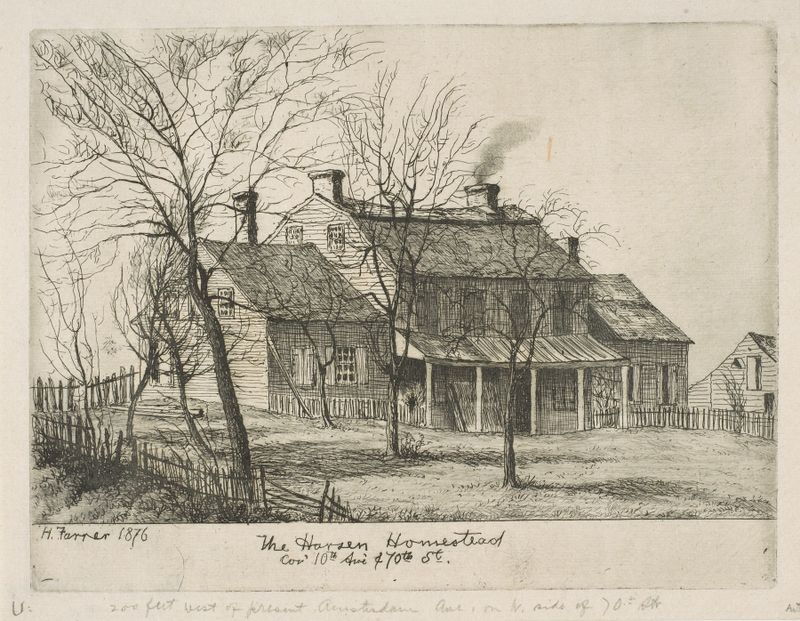
The Harsen Homestead, Corner of 10th Avenue and 70th Street, from ‘Scenes of Old New York’
Henry Farrer

Old House, Corner of Peck Slip and Water Street, from ‘Scenes of Old New York’
Henry Farrer
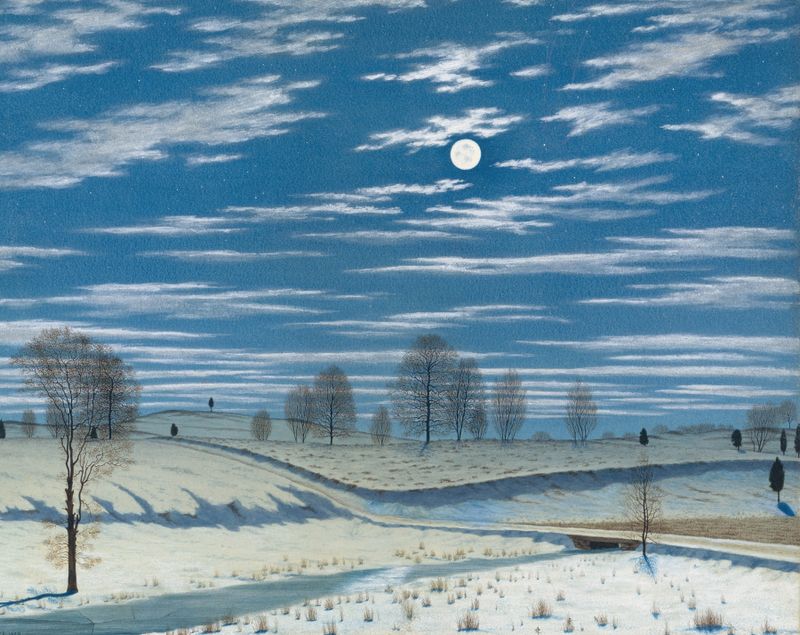
Winter Scene in Moonlight
Henry Farrer

A Powder Magazine in Central Park, from ‘Scenes of Old New York’.
Henry Farrer

The Old Revenue Office, Whitehall, from ‘Scenes of Old New York’
Henry Farrer
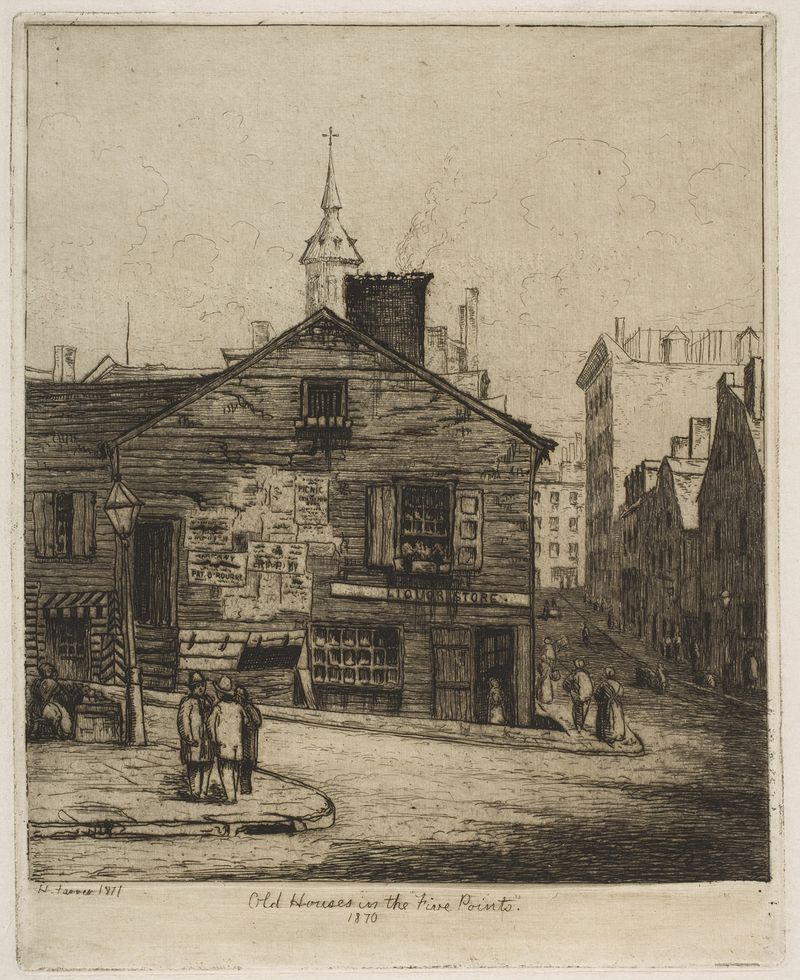
Old Houses in the ‘Five Points’, 1870, from ‘Scenes of Old New York’.
Henry Farrer

City and Sunset
Henry Farrer
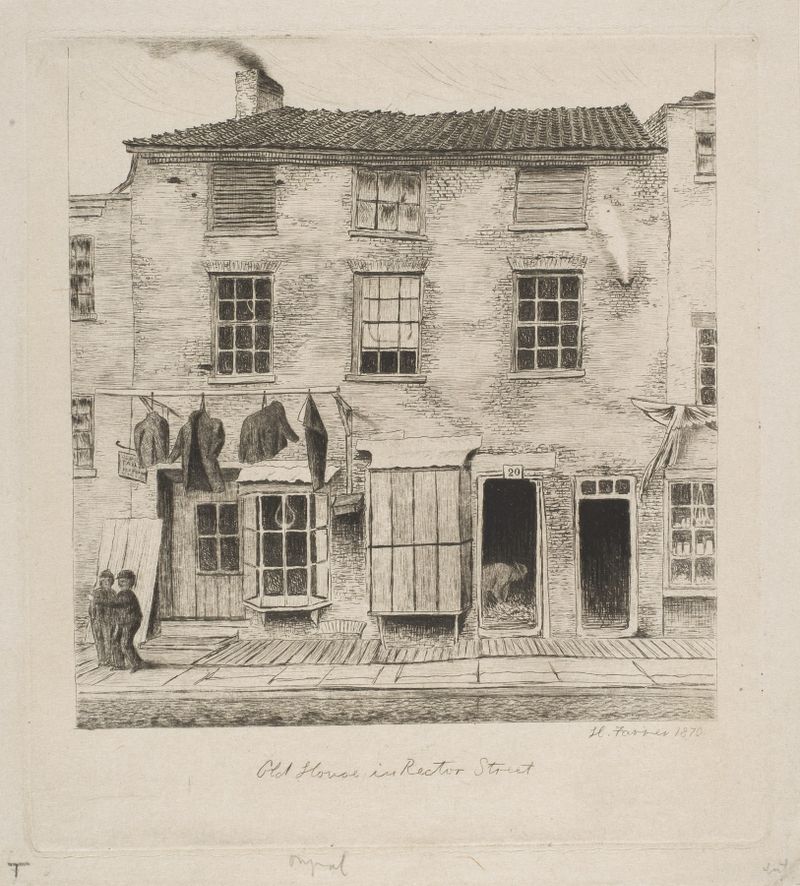
Old House in Rector Street, from ‘Scenes of Old New York’.
Henry Farrer





