
Llanthony Abbey, Monmouthshire — History & Facts
This sentiment resonates deeply within the stillness of a solemn landscape, evoking the quiet weight of history and memory. Look to the horizon where ethereal mist cloaks the remnants of Llanthony Abbey, softening the jagged edges of stone and time. The light filters through, a gentle caress that illuminates the crumbling structure while casting long shadows that whisper tales of the past. Notice how the muted earth tones blend seamlessly with the sky, suggesting both decay and endurance, as if the very air holds its breath in reverence to what once was. Turner’s masterful brushwork captures not only the physicality of the abbey but also the contrast between nature’s indifference and human fragility.
The looming mountains stand firm, while the abbey appears to dissolve into the landscape, reflecting the passage of time and the inevitable encroachment of silence. This juxtaposition of strength and vulnerability invites contemplation on the transience of human endeavors amidst nature's permanence. During this period, Turner was deeply absorbed in capturing the emotive power of landscape. While the exact date of this work remains uncertain, it can be placed within the artistic exploration of the early 19th century, a time when Romanticism flourished and artists began to prioritize emotion and atmosphere over strict representation.
The world around him was shifting, moving from the throes of industrialization to a deeper reflection on the sublime, making his explorations of ruin and beauty particularly poignant.
More Artworks by Joseph Mallord William Turner
Browse all →
Dort or Dordrecht- The Dort Packet-Boat from Rotterdam Becalmed
Joseph Mallord William Turner
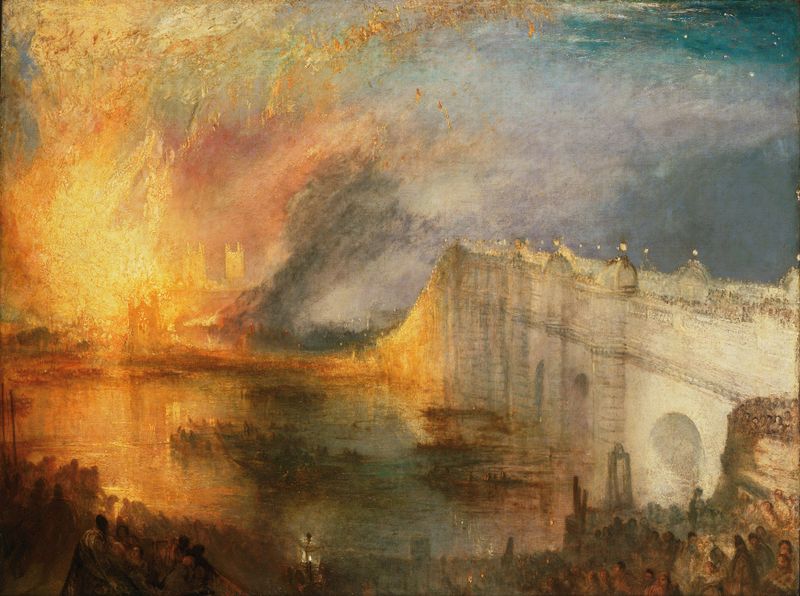
The Burning of the Houses of Lords and Commons, October 16, 1834
Joseph Mallord William Turner
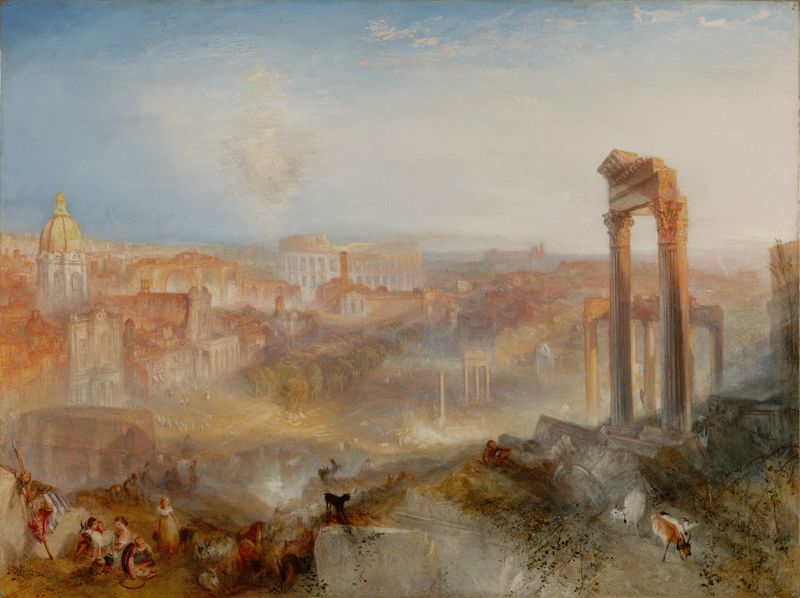
Modern Rome – Campo Vaccino
Joseph Mallord William Turner
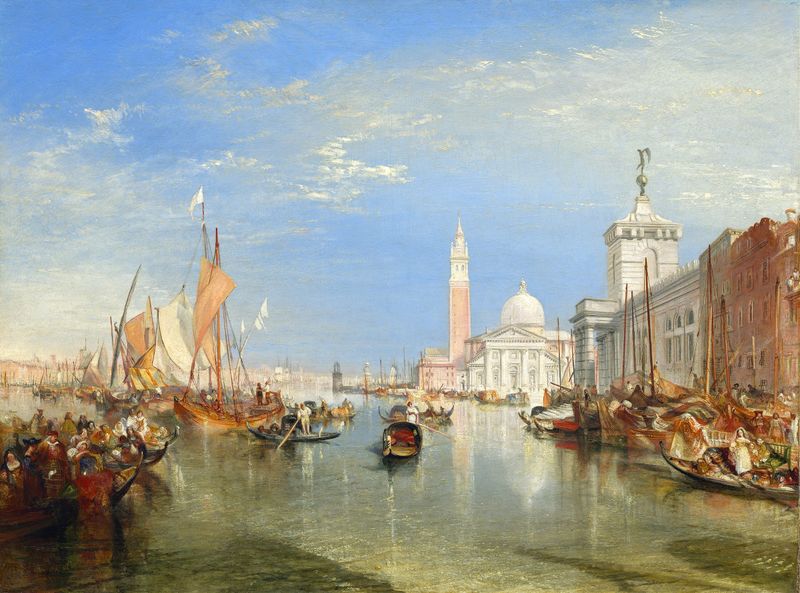
Venice – The Dogana and San Giorgio Maggiore
Joseph Mallord William Turner

The Burning of the Houses of Lords and Commons, 16 October 1834
Joseph Mallord William Turner
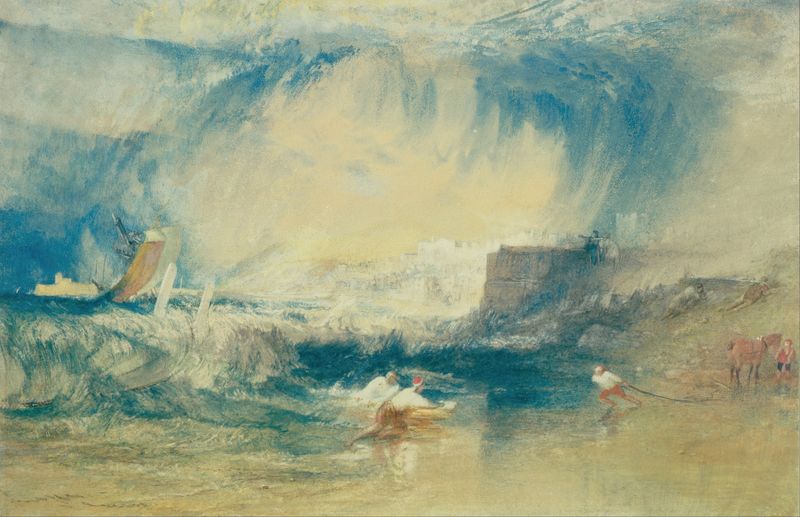
Lyme Regis, Dorsetshire, England
Joseph Mallord William Turner
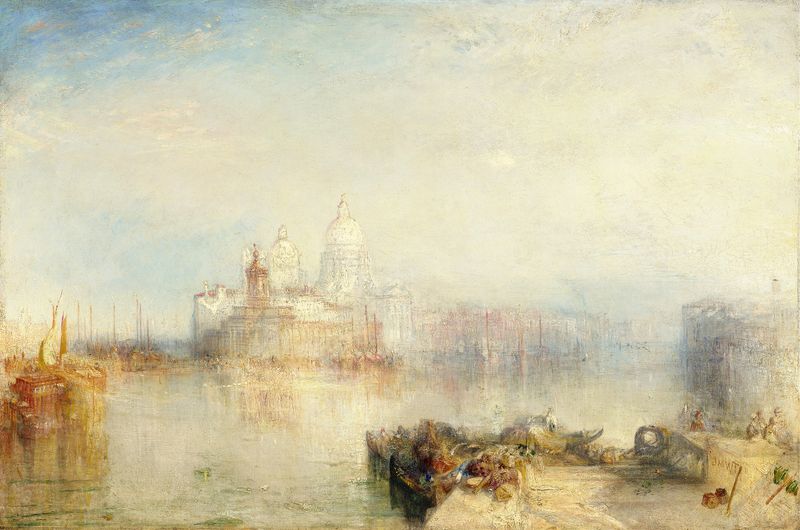
The Dogana and Santa Maria della Salute, Venice
Joseph Mallord William Turner
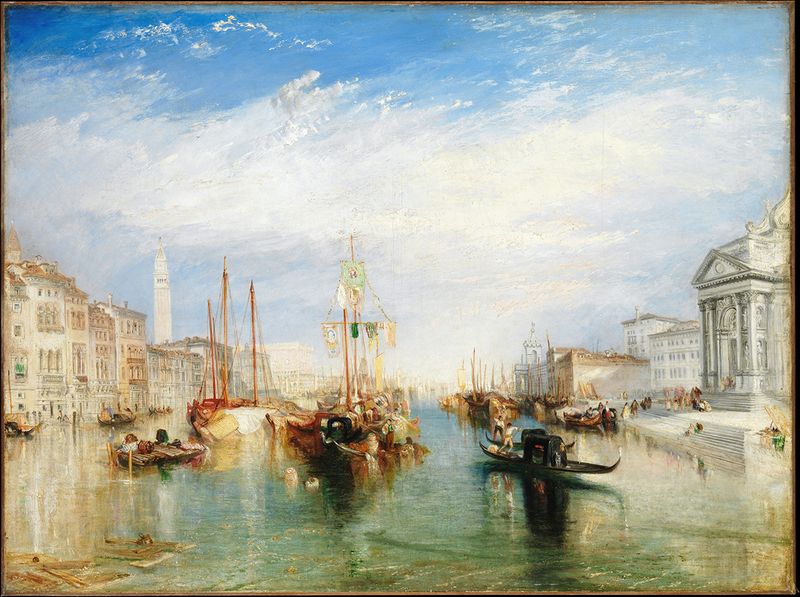
Venice, from the Porch of Madonna della Salute
Joseph Mallord William Turner
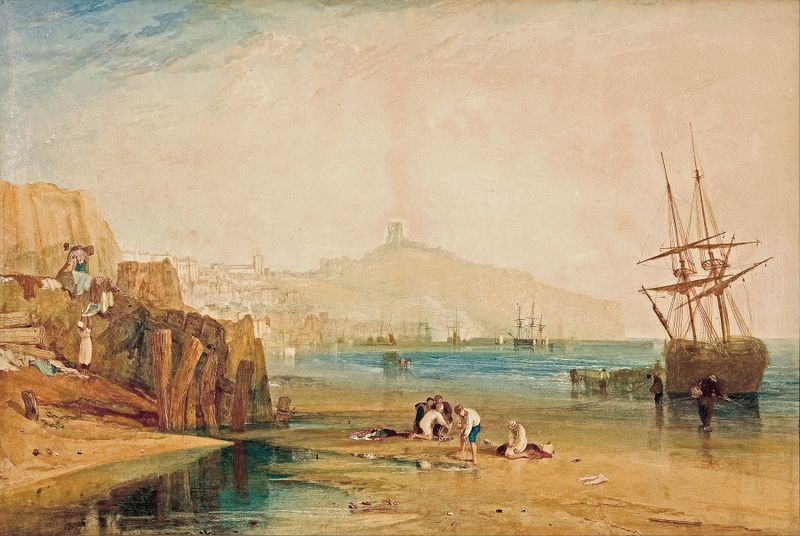
Scarborough town and castle; morning; boys catching crabs
Joseph Mallord William Turner
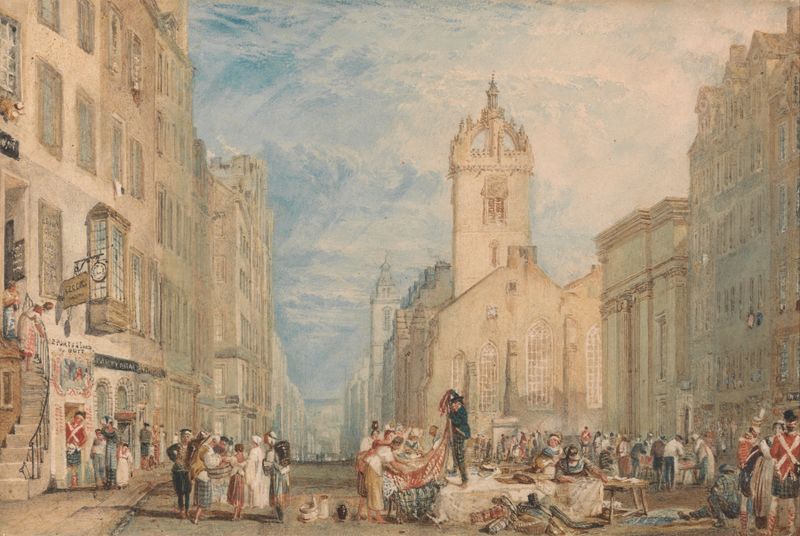
High Street, Edinburgh
Joseph Mallord William Turner





