
Log Raft — History & Facts
What if silence could speak through light? In Log Raft, the interplay of muted tones and rich textures invites viewers to contemplate the delicate balance between nature and human endeavor. Look to the center, where two figures stand firmly upon the floating logs. Their postures convey strength and determination, contrasted by the gentle ripples of water surrounding them. Notice how the soft sunlight bathes the scene, illuminating the warm hues of the wood while casting long shadows that stretch toward the horizon.
Edelfelt’s masterful brushwork gives life to the reflected shimmer on the water's surface, creating a mesmerizing effect that pulls one deeper into the composition. In the distance, the horizon blurs as it meets an expansive sky, emphasizing the isolation of the raftsmen against the vastness of nature. The tension between human resilience and the natural world is palpable, as the figures' stillness contrasts with the dynamic movement of the water. Each log they navigate symbolizes both opportunity and precariousness, capturing the essence of balance—an equilibrium between risk and survival that resonates with the viewer. Albert Edelfelt painted Log Raft in 1886 while living in Finland, during a period of growing nationalistic sentiment and artistic exploration.
The work reflects Edelfelt’s interest in capturing everyday life and the natural environment, aligned with the broader European art movement towards realism. At this time, he was forging a reputation, drawing inspiration from both his homeland’s landscapes and the intricate human experiences woven within them.
More Artworks by Albert Edelfelt
Browse all →
House in Porvoo
Albert Edelfelt
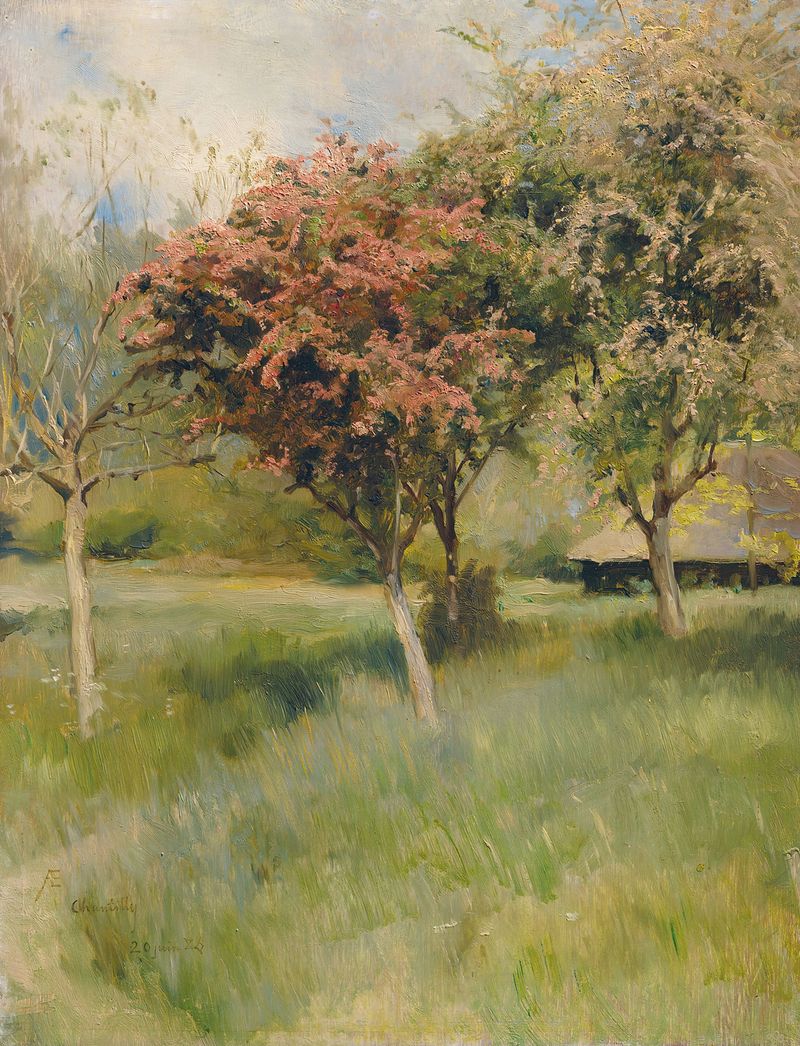
Blommande hagtorn (Vy från Chantilly)
Albert Edelfelt

Seashore in the Evening ; Landscape, Evening
Albert Edelfelt
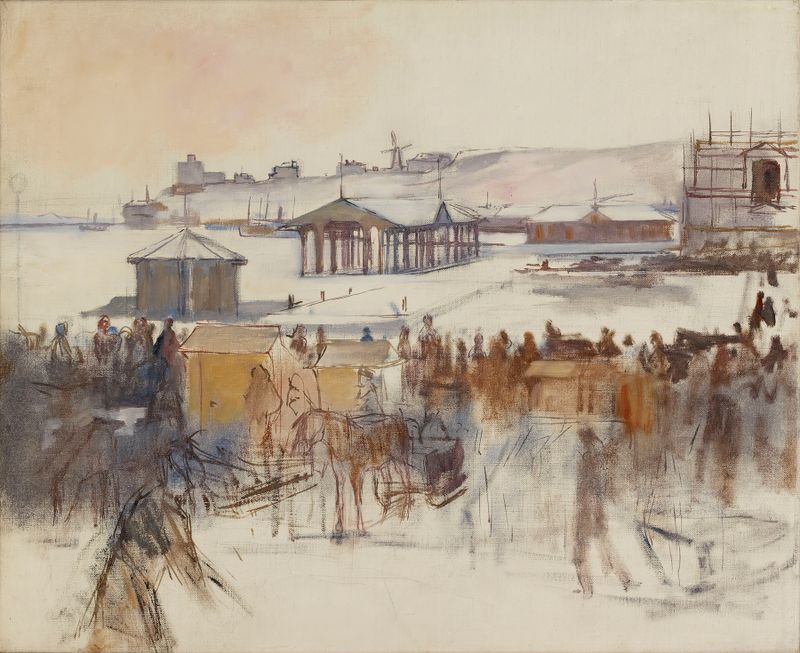
From the South Harbor
Albert Edelfelt

The Artist’s Summer Villa in Haikko from the Sea
Albert Edelfelt
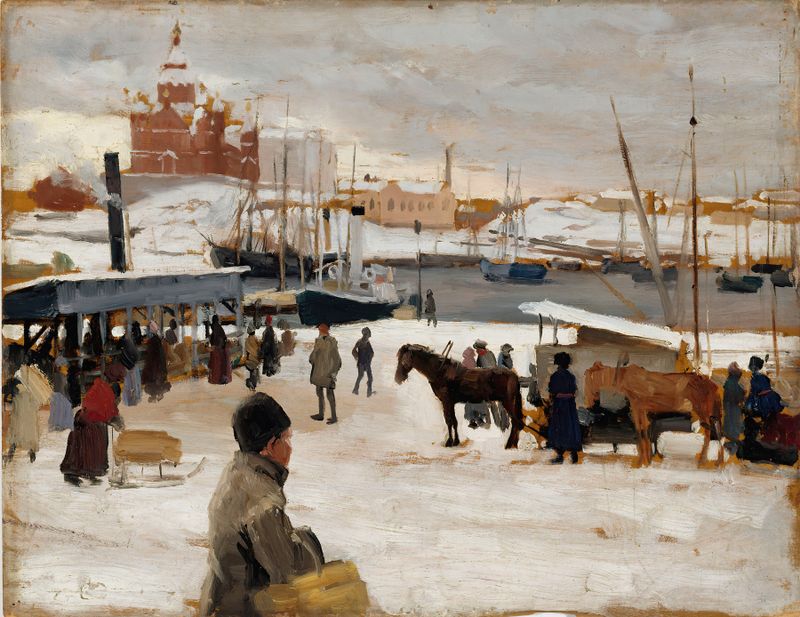
Winter Day in Helsinki Market Square
Albert Edelfelt

Water Lilies, Study for the Youth and a Mermaid
Albert Edelfelt
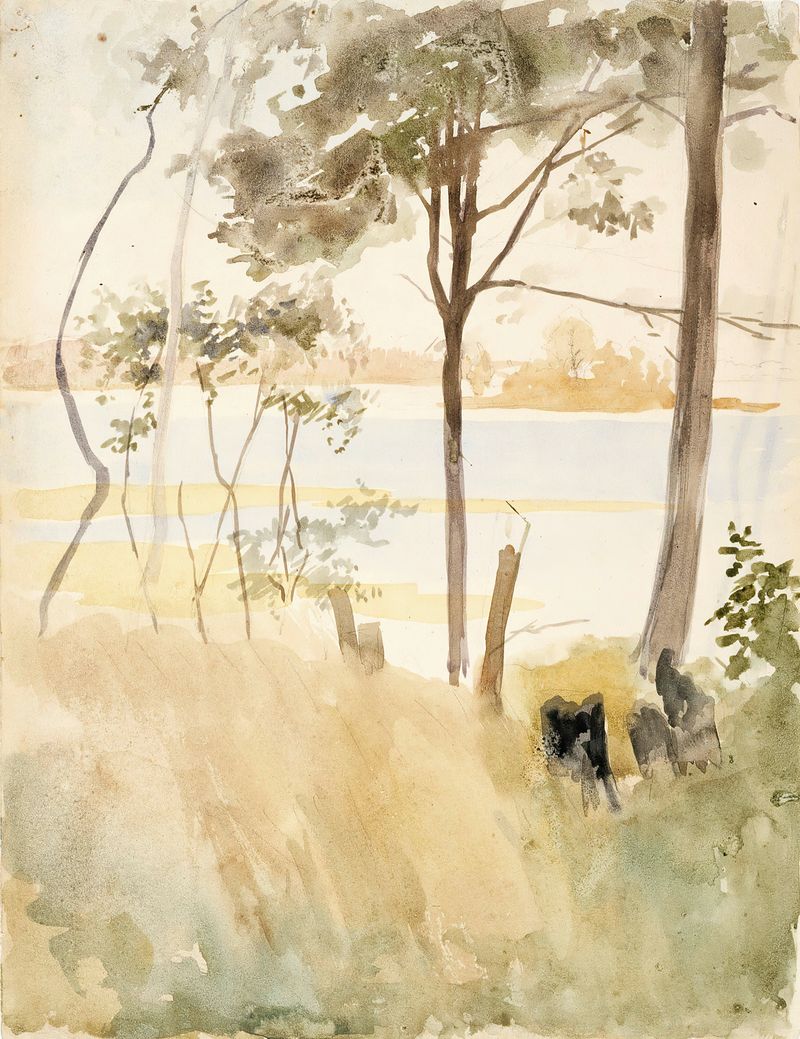
Seashore at Haikko in Autumn
Albert Edelfelt
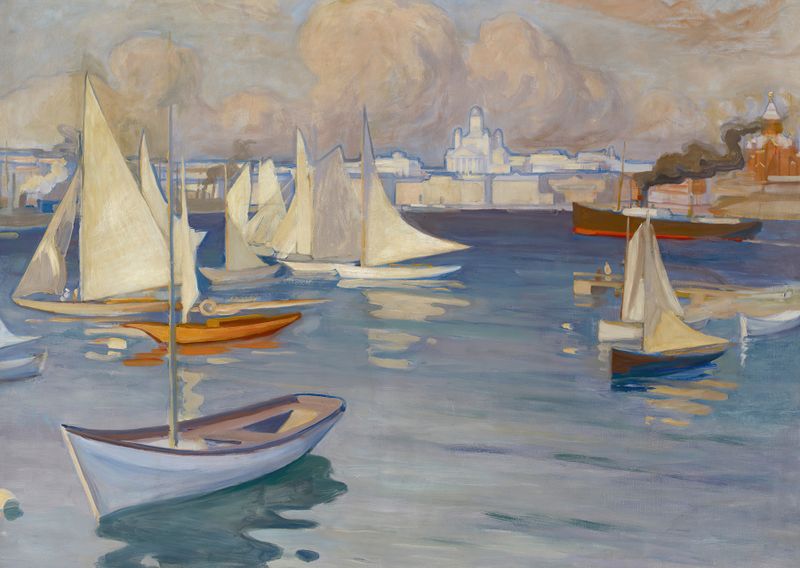
The Nyländska Jaktklubben Harbour in Helsinki
Albert Edelfelt
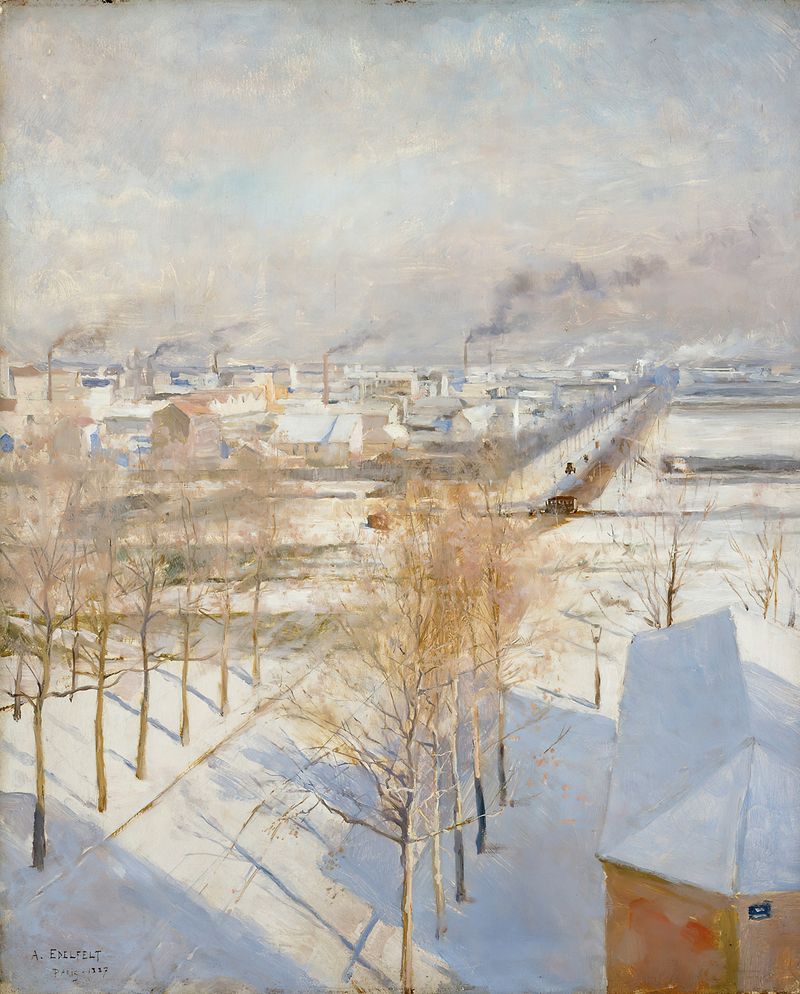
Paris in Snow
Albert Edelfelt





