
Louise Nathurst — History & Facts
In the delicate interplay of figures and shadows, the fragility of existence is laid bare, inviting us to explore the depths of human emotion. Look to the right at the tender gaze of the subject, her expression poised between contemplation and vulnerability. The soft, muted palette envelops her in an ethereal glow, enhancing the sense of introspection. The subtle brushstrokes create a gentle texture across her skin, while the background recedes into a blurred haze, emphasizing her isolation amidst the serene chaos of thought. Beneath the surface, the painting reveals a profound commentary on the nature of fragility and strength.
The finely depicted hands, slightly trembling, suggest a moment poised on the brink of vulnerability, yet they also hint at resilience. This duality permeates the work, reflecting the duality of human experience—where silence can convey both despair and hope, and where the slightest gesture may echo with profound significance. Denman Waldo Ross created Louise Nathurst in 1897, a period marked by his explorations into color and form. Living in Boston, Ross was deeply influenced by the American Impressionist movement, striving to capture the essence of everyday life while experimenting with a more personal approach to portraiture.
At this time, he was establishing his identity as an artist, navigating the evolving art scene that sought to break away from traditional confines, ultimately fostering a deeper connection between viewer and subject.
More Artworks by Denman Waldo Ross
Browse all →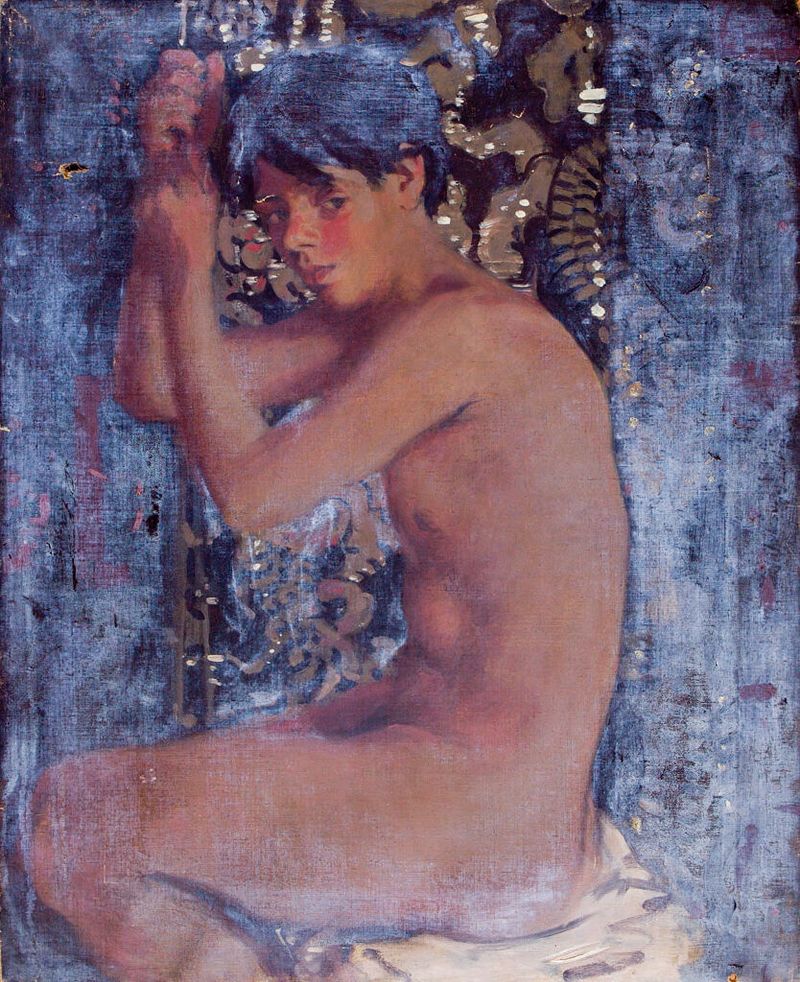
Portrait of a Seated Young Man
Denman Waldo Ross
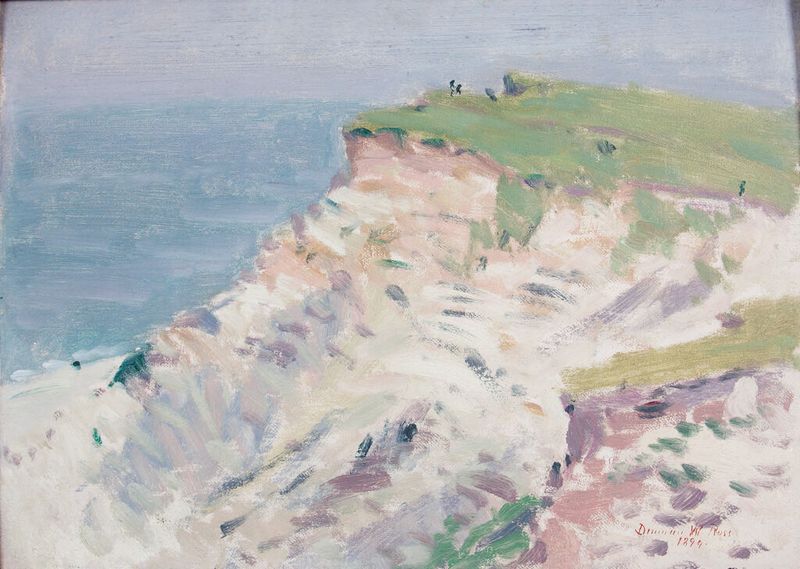
Highland Light, North Truro, Massachusetts
Denman Waldo Ross
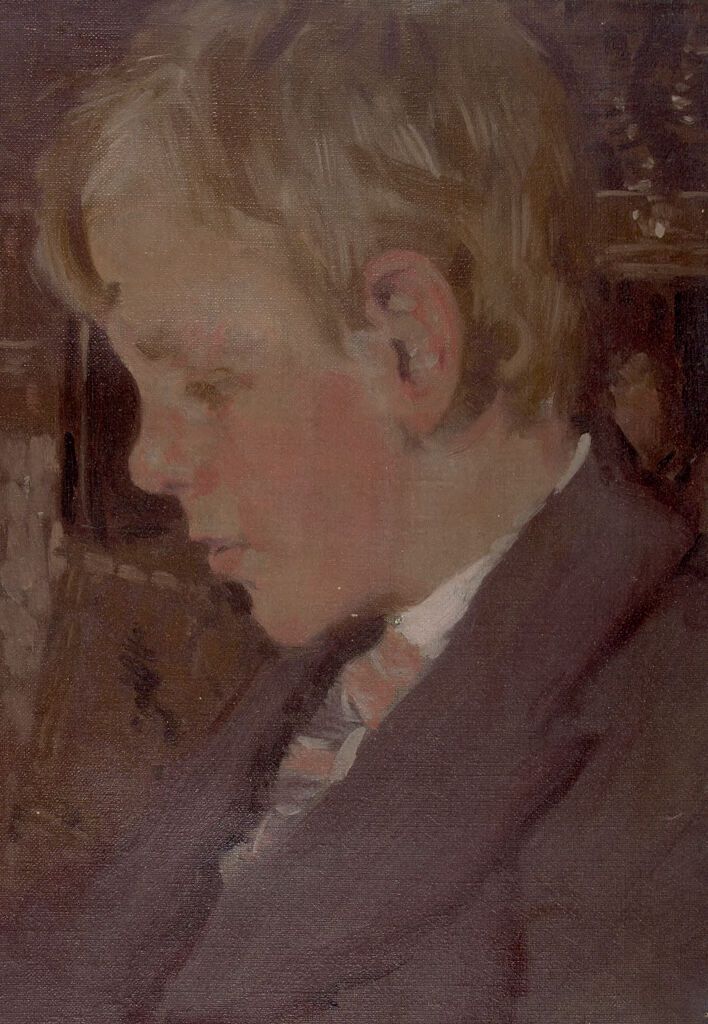
Profile Portrait of a Boy in Suit and Tie
Denman Waldo Ross
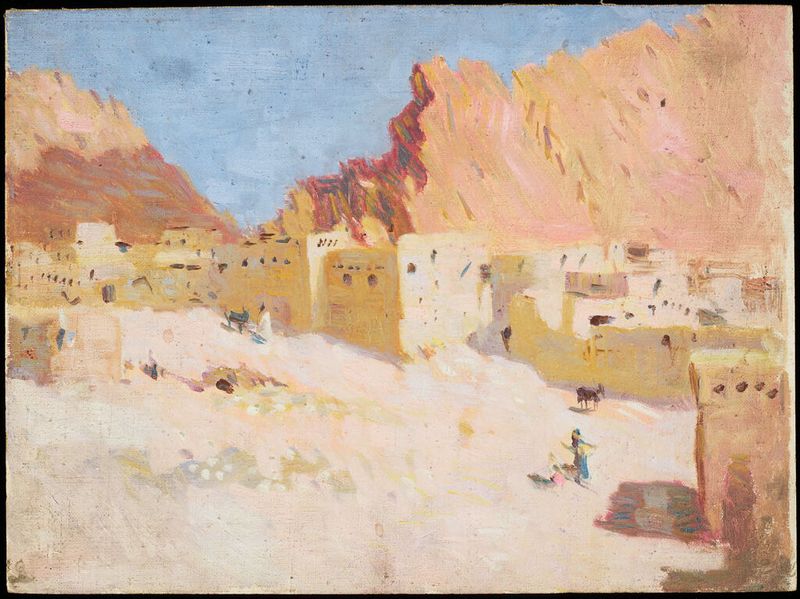
El Kantara, Near Biskra, Algeria
Denman Waldo Ross
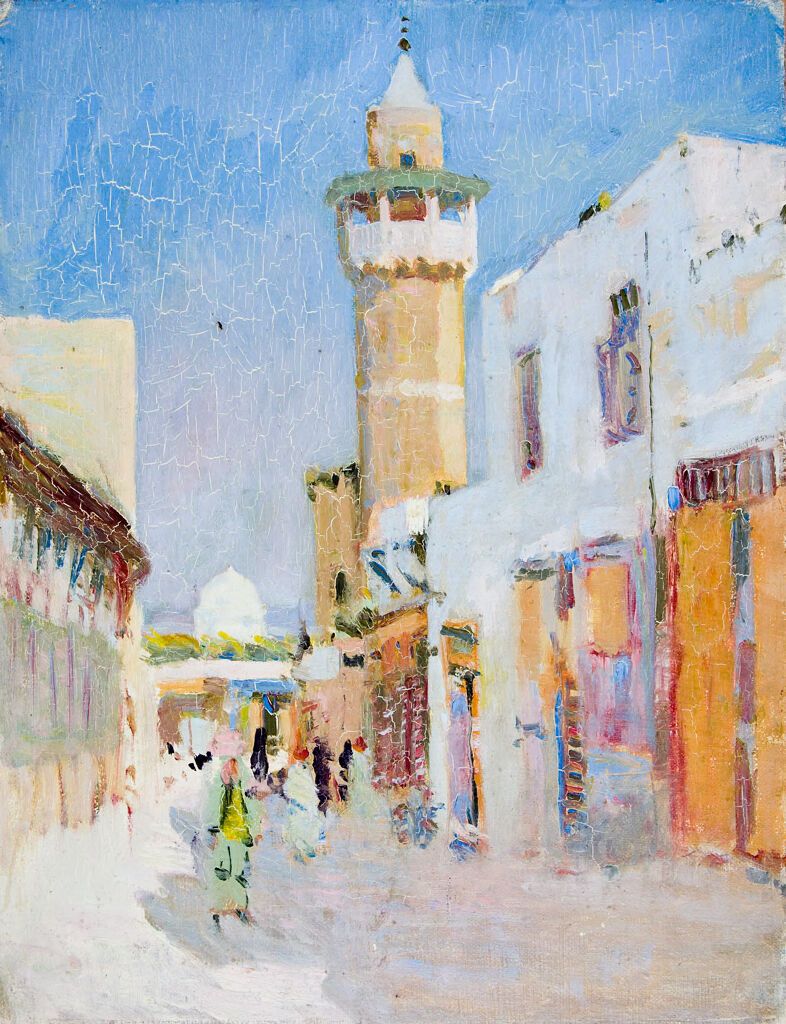
Tunis Street Scene
Denman Waldo Ross
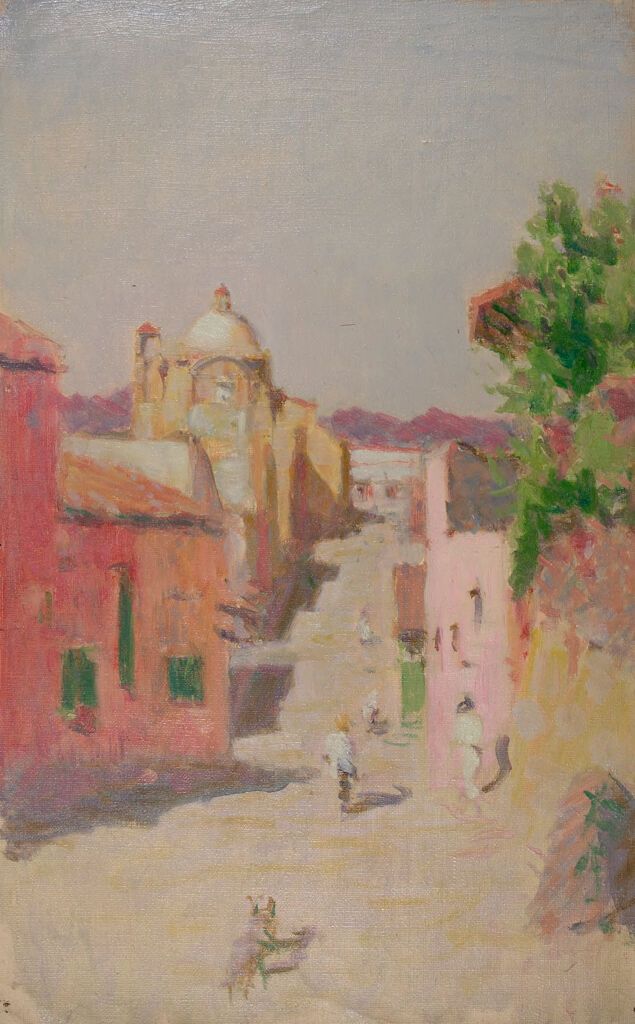
Street Scene with Animal and Figures
Denman Waldo Ross
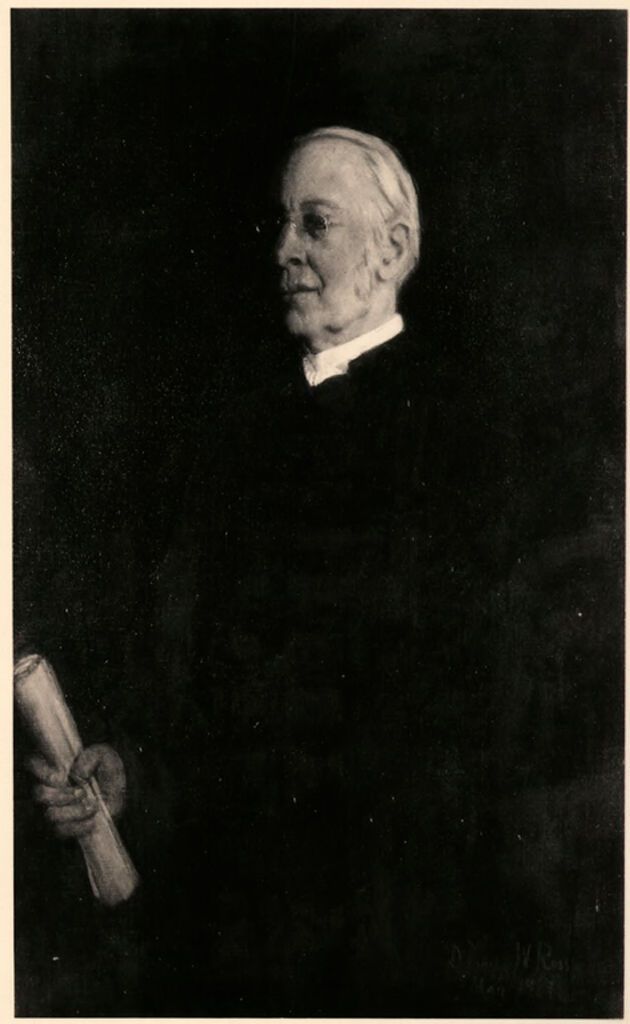
Charles William Eliot (1834-1926)
Denman Waldo Ross
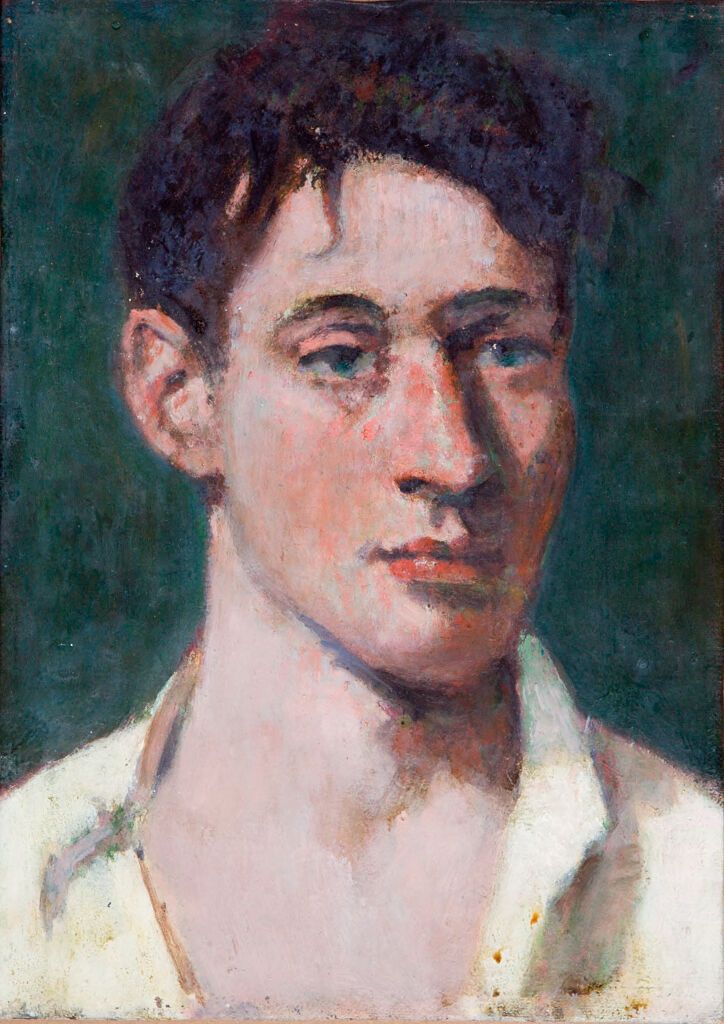
Portrait of a Young Man in White Shirt
Denman Waldo Ross
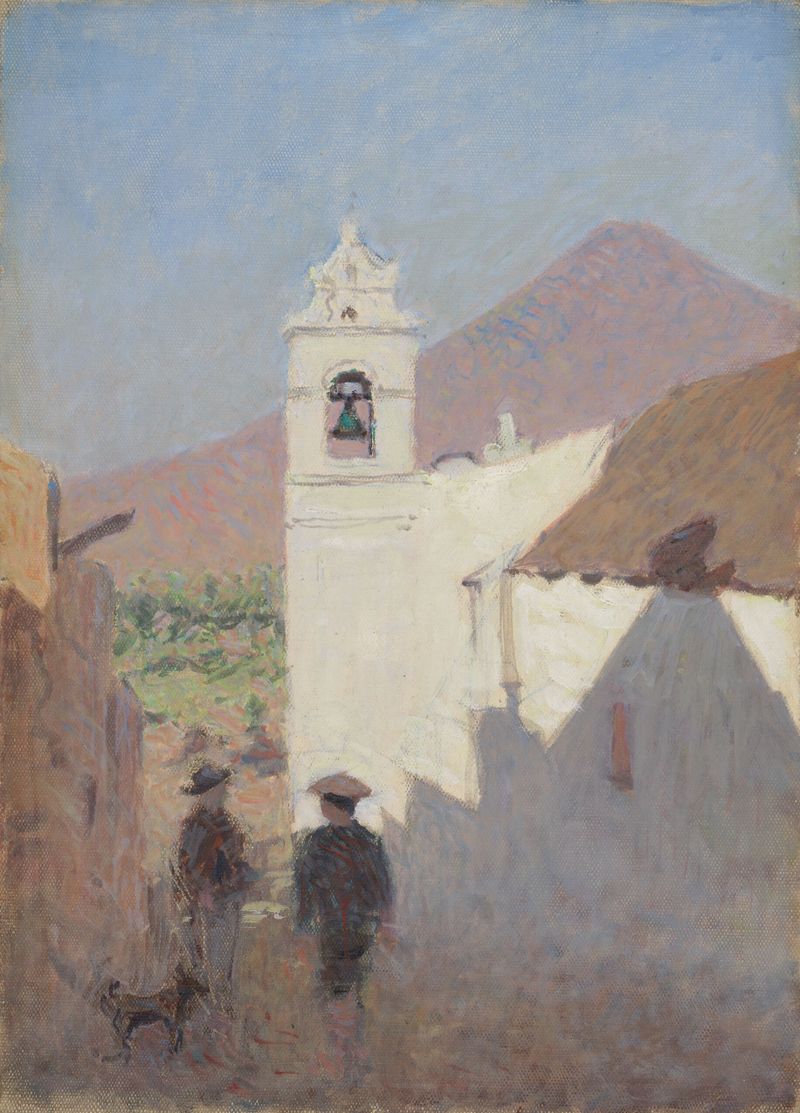
Village Near Arequipa, Peru
Denman Waldo Ross

York Harbor, Maine
Denman Waldo Ross
More Portrait Art
Browse all →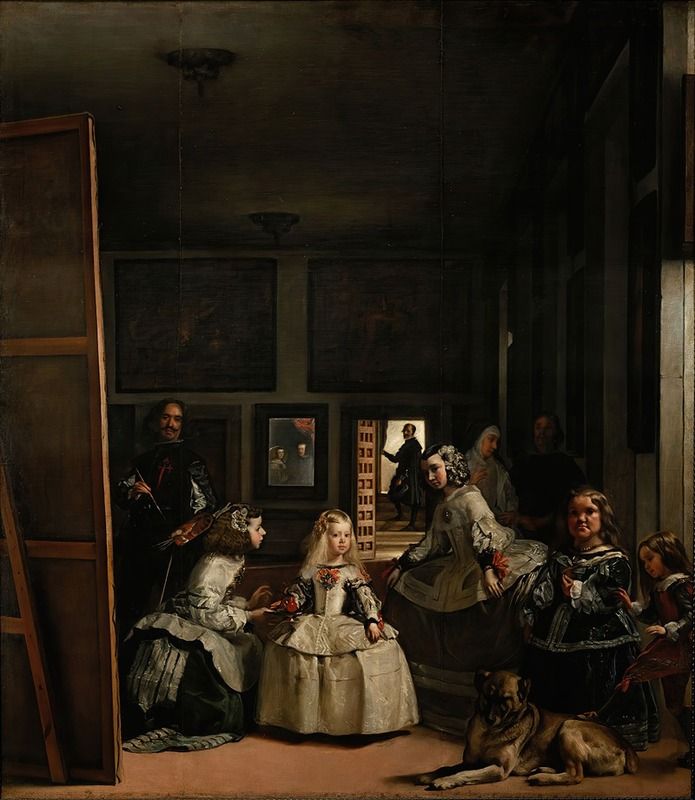
Las meninas
Diego Velázquez
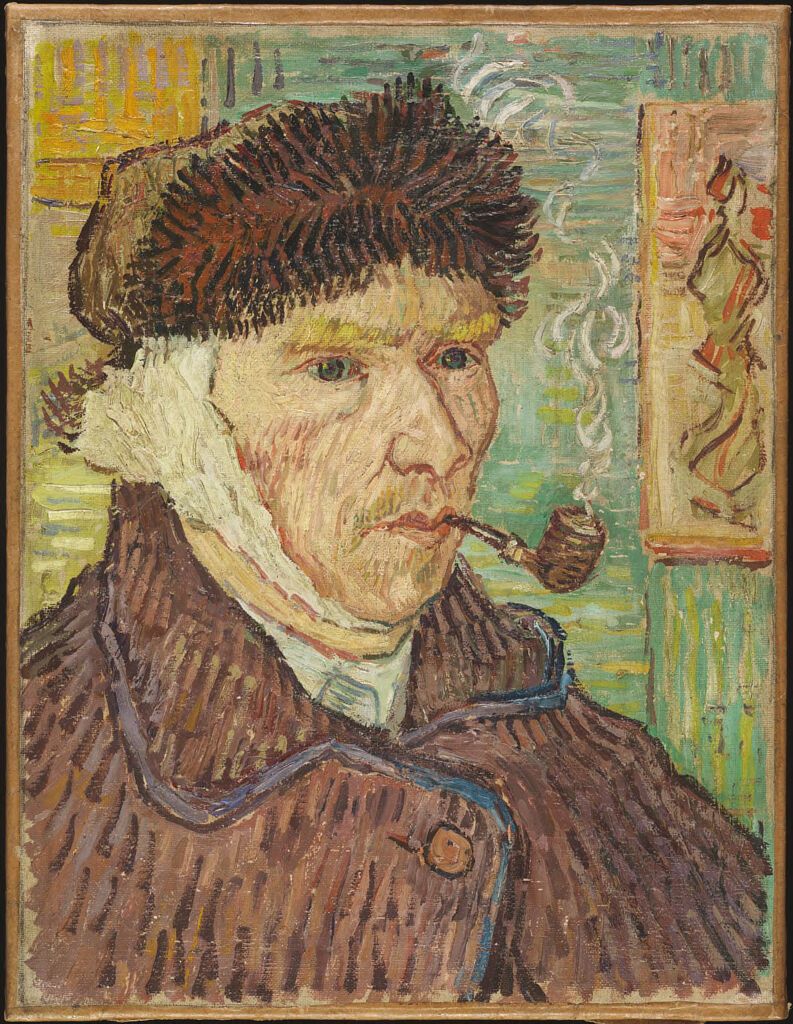
Self-portrait with a Bandaged Ear and Pipe
Unidentified artist
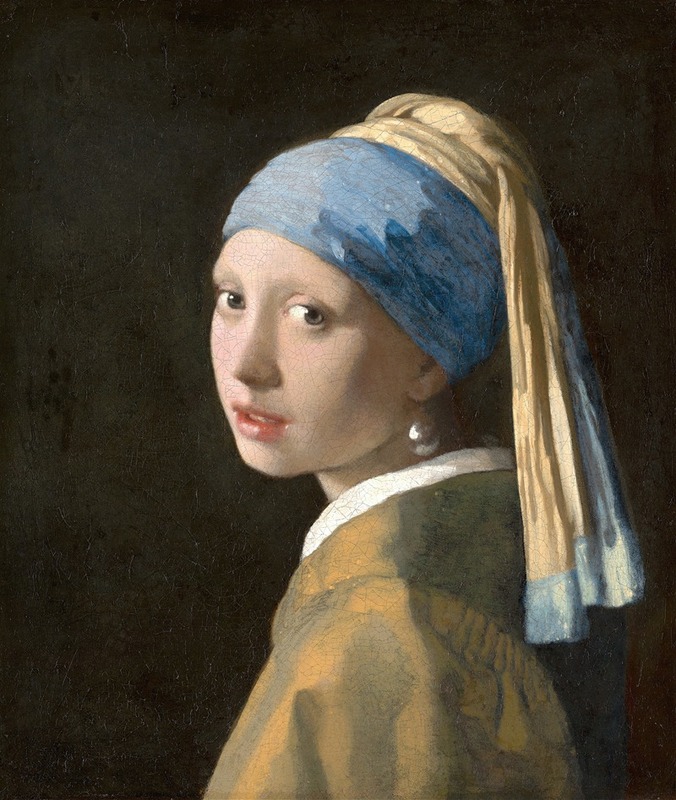
Girl with a Pearl Earring
Johannes Vermeer

The Sampling Officials of the Amsterdam Drapers’ Guild, Known as ‘The Syndics’
Rembrandt van Rijn

The Hundred Guilder Print: the man seen on the back in the lower left corner
Rembrandt van Rijn

Portrait of Dr Gachet
Vincent van Gogh