
Low Water in the Mississippi — History & Facts
What if beauty was never meant to be finished? Low Water in the Mississippi, with its intricate portrayal of nature's ebb and flow, invites us to ponder the eternal cycle of life, momentarily suspended yet perpetually in motion. Start by directing your gaze to the shimmering surface of the river, where the water reflects a tapestry of blues and greens under a radiant sky. Notice how the artist employs delicate brushstrokes to create a sense of fluidity, capturing both the calmness of the low water and the distant hills that cradle the horizon. There’s a whisper of sunlight filtering through the clouds, illuminating the scene with a golden hue that invites contemplation. The artwork unfolds layers of meaning as we delve deeper.
Observe the juxtaposition of the placid river against the hardship of the low water levels; it speaks to the resilience of nature and mankind's struggle within it. The gnarled trees at the banks seem to extend their arms, yearning for sustenance—a silent witness to the relationship between beauty and scarcity. Palmer's choice of muted earth tones underscores a tension between harmony and struggle, inviting viewers to reflect on their own connections to the environment. In 1868, Frances Flora Bond Palmer painted this work while living in the U.S., a time when the nation was grappling with the aftermath of the Civil War and the transition to a new era.
As an artist recognized for her landscapes that often celebrated American themes, she sought to capture the essence of the changing American landscape, reflecting both the beauty and the challenges of the world around her.
More Artworks by Frances Flora Bond Palmer
Browse all →
Wooding Up on the Mississippi
Frances Flora Bond Palmer
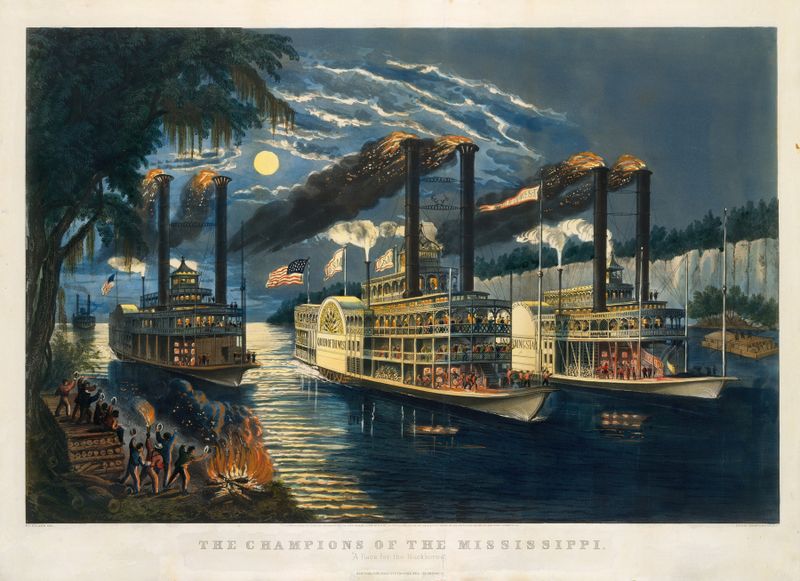
The Champions of the Mississippi – ‘A Race for the Buckhorns’
Frances Flora Bond Palmer
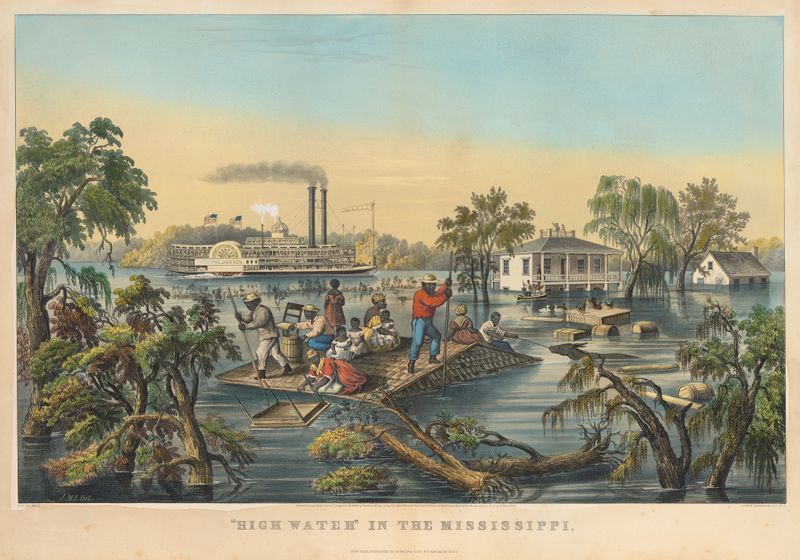
‘High Water’ in the Mississippi
Frances Flora Bond Palmer
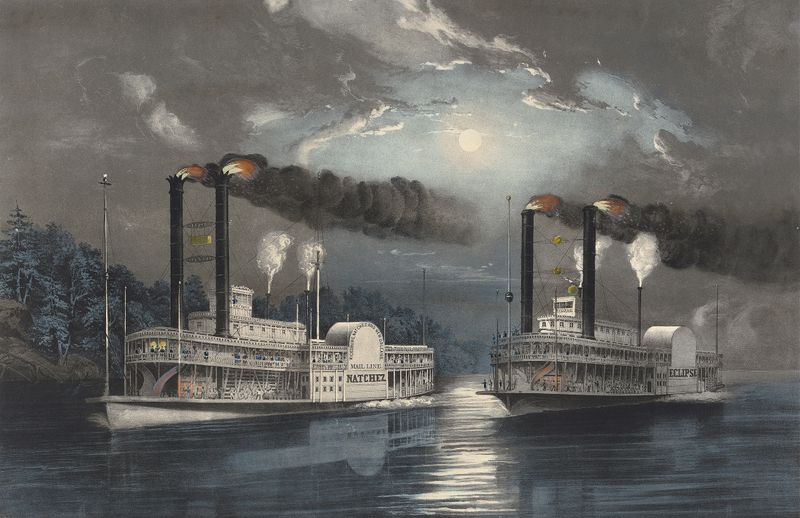
A Midnight Race on the Mississippi
Frances Flora Bond Palmer
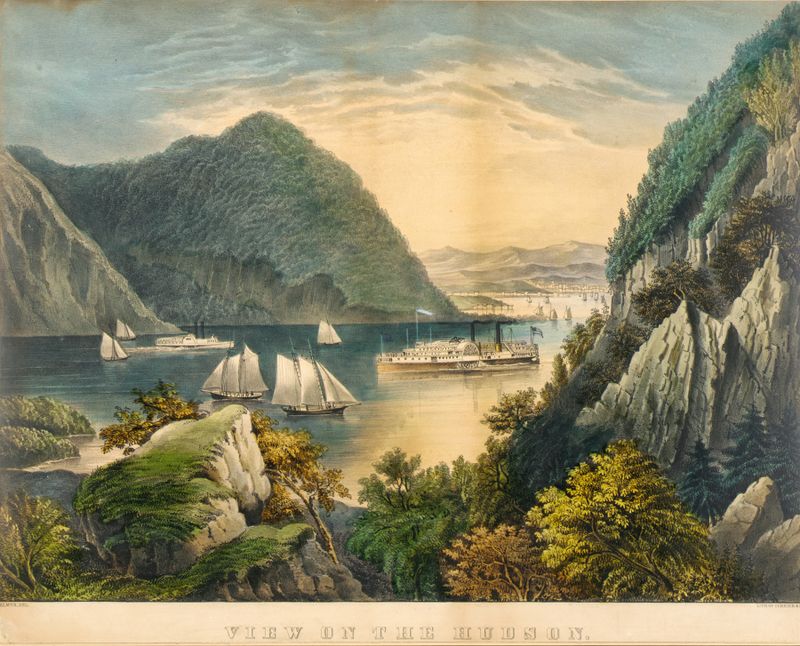
View of the Hudson
Frances Flora Bond Palmer
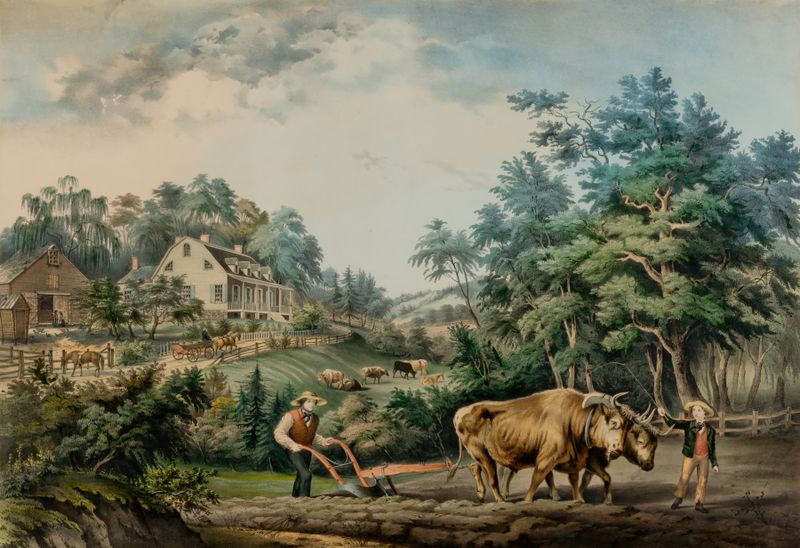
American Farm Scenes. no. 1.
Frances Flora Bond Palmer
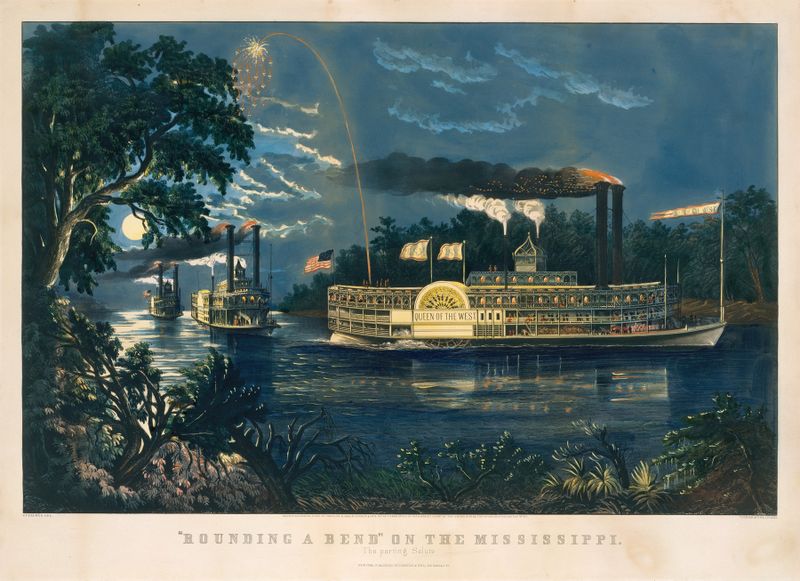
Rounding a Bend on the Mississippi – The Parting Salute
Frances Flora Bond Palmer
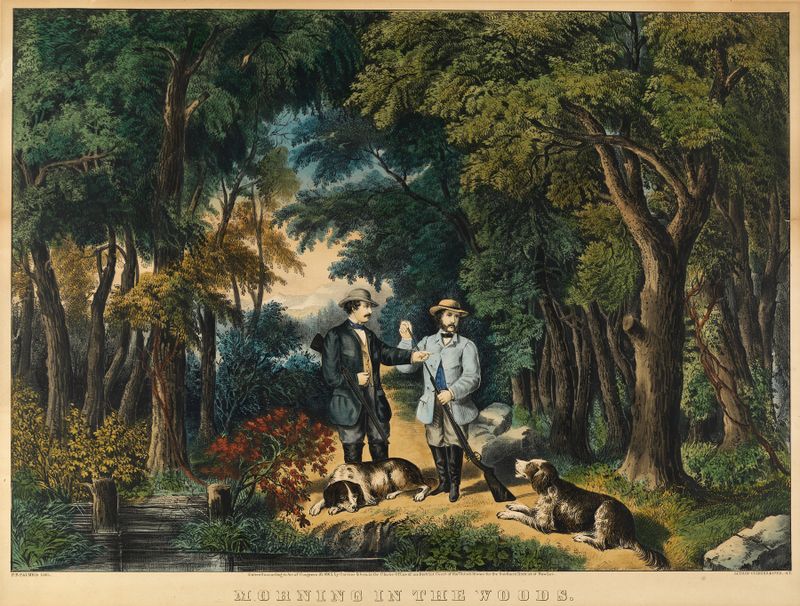
Morning in the Woods
Frances Flora Bond Palmer
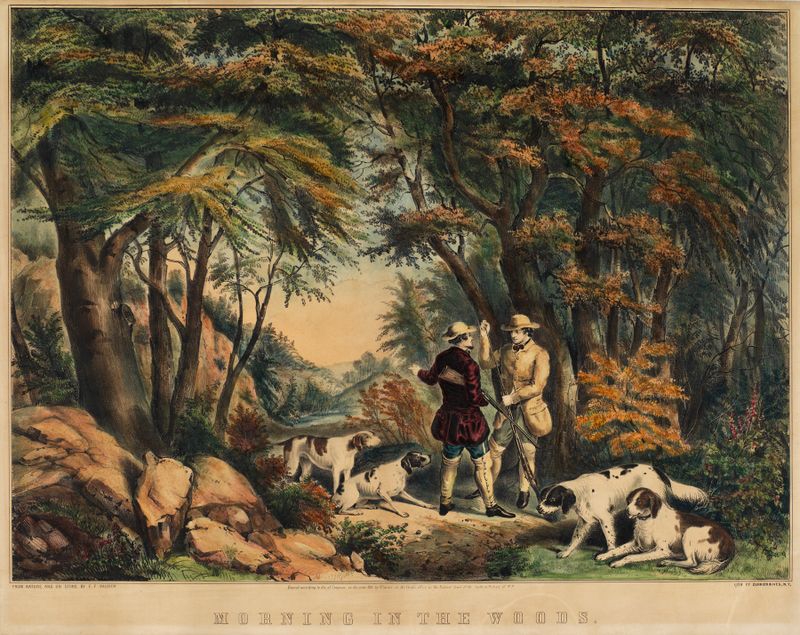
Morning in the Woods
Frances Flora Bond Palmer





