
View of the Hudson — History & Facts
Can beauty exist without sorrow? The landscape unfurls with vibrant life, yet beneath its surface lies the quiet whisper of decay. Look to the horizon where the sun casts a warm amber glow over the rolling hills and shimmering river. Notice how Palmer skillfully captures the interplay of light and shadow, illuminating the lush greenery while allowing darker tones to creep at the edges, hinting at something more profound beneath the beauty. The composition draws your eye along the water’s gentle curve, inviting you to explore the tranquil scene, yet the brushstrokes carry an undercurrent of tension, subtly reminding viewers of the passage of time. Within the idyllic setting, small details speak volumes—clusters of wildflowers in full bloom suggest fleeting joy, while a solitary tree in the foreground stands slightly askew, a symbol of resilience amid inevitable decline.
The river, both a lifeline and a boundary, reflects the duality of nature’s splendor and its constant march toward decay. Here, the vibrant colors contrast with the muted shadows, highlighting the tension between life’s beauty and the inevitability of loss. In 1865, Frances Flora Bond Palmer was living in a post-Civil War America, a time when the nation was grappling with recovery and transformation. Working primarily in New York, she was part of a growing movement of artists who sought to capture the American landscape’s majesty.
Her paintings, including this one, reflect not only her artistic skill but also the era's complex relationship with nature—appreciating its beauty while acknowledging the decay inherent in life itself.
More Artworks by Frances Flora Bond Palmer
Browse all →
Wooding Up on the Mississippi
Frances Flora Bond Palmer
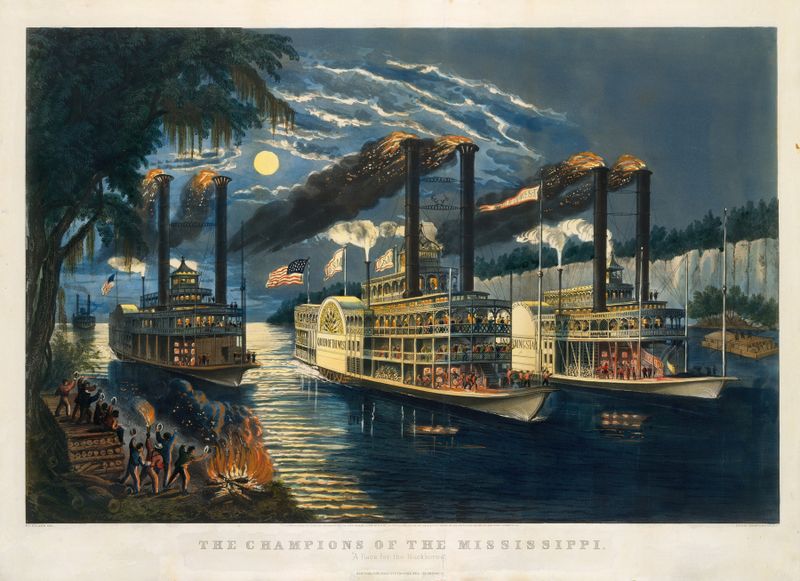
The Champions of the Mississippi – ‘A Race for the Buckhorns’
Frances Flora Bond Palmer
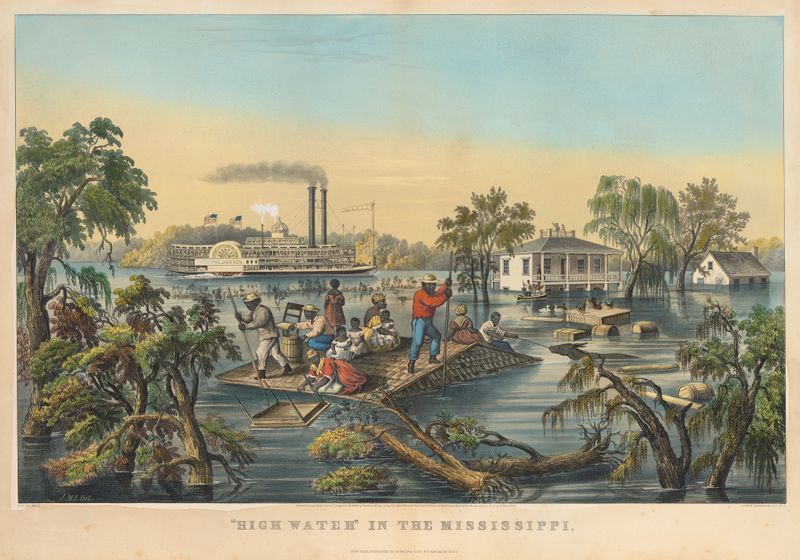
‘High Water’ in the Mississippi
Frances Flora Bond Palmer
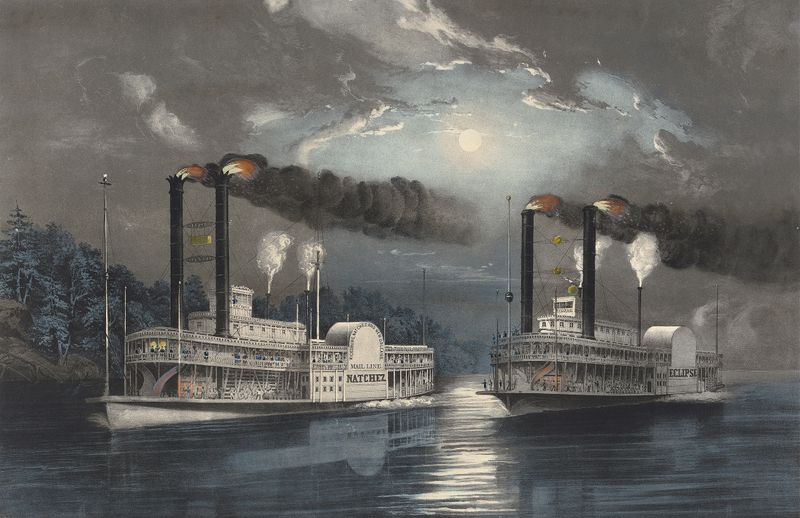
A Midnight Race on the Mississippi
Frances Flora Bond Palmer
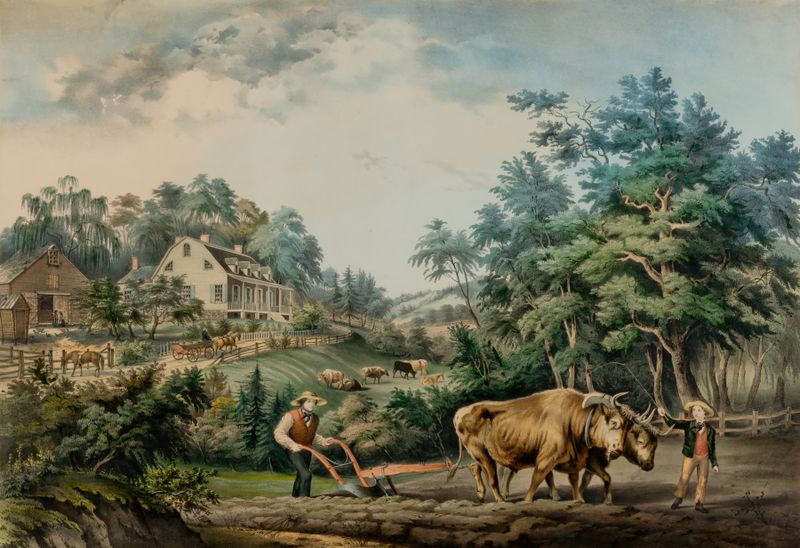
American Farm Scenes. no. 1.
Frances Flora Bond Palmer
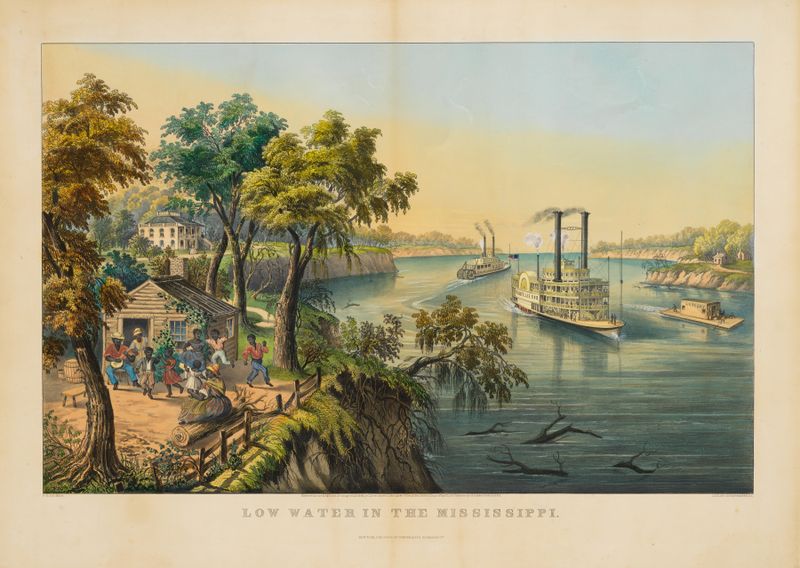
Low Water in the Mississippi
Frances Flora Bond Palmer
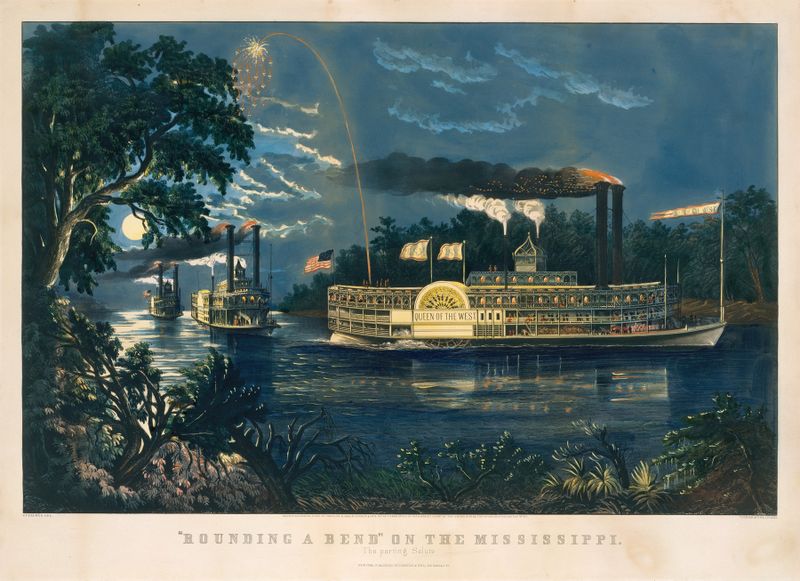
Rounding a Bend on the Mississippi – The Parting Salute
Frances Flora Bond Palmer
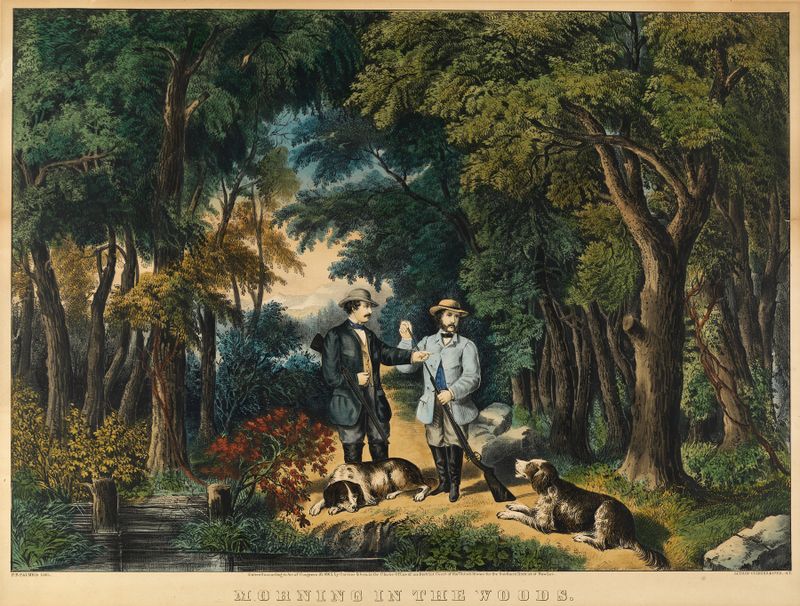
Morning in the Woods
Frances Flora Bond Palmer
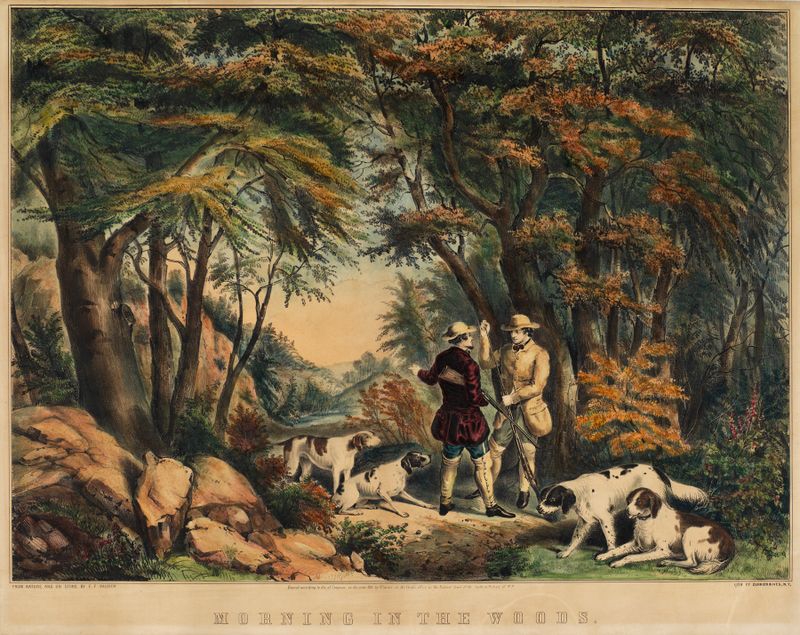
Morning in the Woods
Frances Flora Bond Palmer





