
Morning in the Woods — History & Facts
Can beauty exist without sorrow? In Morning in the Woods, a serene landscape stirs contemplation on the passage of time, weaving a tapestry of tranquility and underlying melancholy. Look to the left at the play of soft, golden sunlight filtering through the trees, illuminating the forest floor with dappled warmth. The artist’s meticulous brushwork captures the intricate details of leaves, each stroke revealing a vibrant palette of greens and browns that evoke a sense of freshness. Notice how the gentle curves of the path draw the eye deeper into the scene, inviting viewers to wander through the tranquil grove — a moment frozen in the embrace of nature, both inviting and elusive. Yet beneath the calm surface lies an invitation to reflect.
The receding path seems to symbolize journeys both taken and yet to come, suggesting that beauty in nature is intrinsically tied to the inevitable passage of time. The interplay of light and shadow suggests not only the bright moments of dawn but also hints at the shadows of the past and future, reminding us that every serene morning carries whispers of what has come before and what lies ahead. In 1865, the artist was immersed in an era of burgeoning American landscape painting, responding to the romantic ideals of nature that permeated the art world. Palmer painted this piece during a time of great personal and national reflection, post-Civil War, when the tension between tranquility and turmoil echoed through society.
This canvas serves as both a respite from and a meditation on the complexities of existence, framed within the beauty of the natural world.
More Artworks by Frances Flora Bond Palmer
Browse all →
Wooding Up on the Mississippi
Frances Flora Bond Palmer
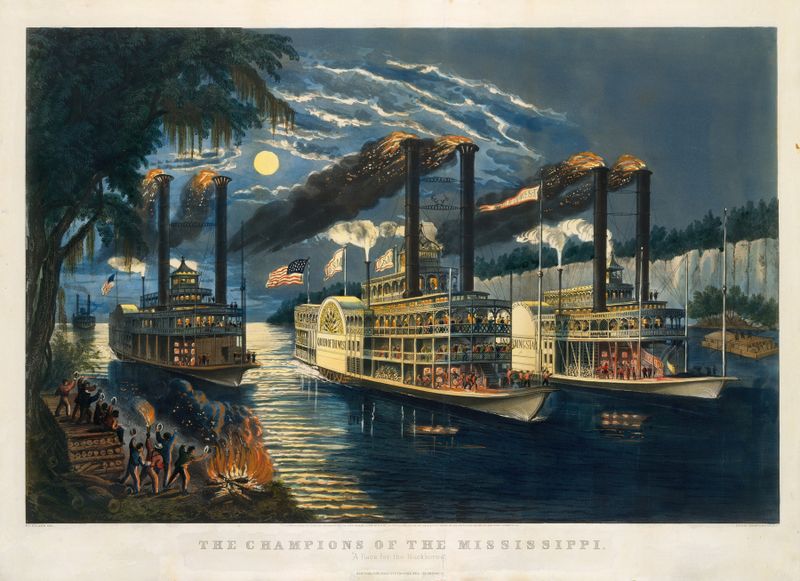
The Champions of the Mississippi – ‘A Race for the Buckhorns’
Frances Flora Bond Palmer
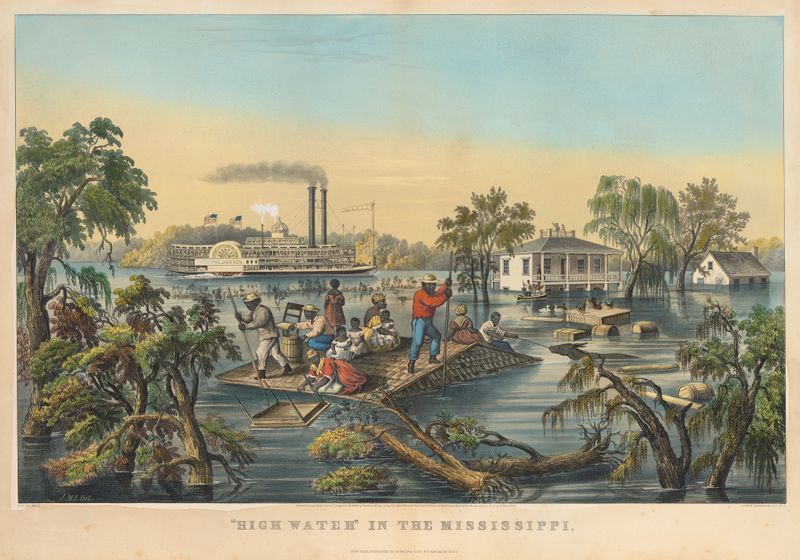
‘High Water’ in the Mississippi
Frances Flora Bond Palmer
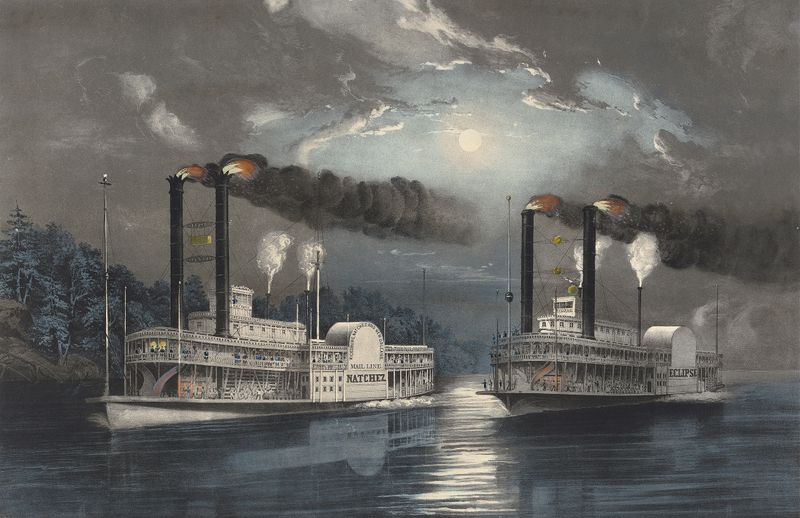
A Midnight Race on the Mississippi
Frances Flora Bond Palmer
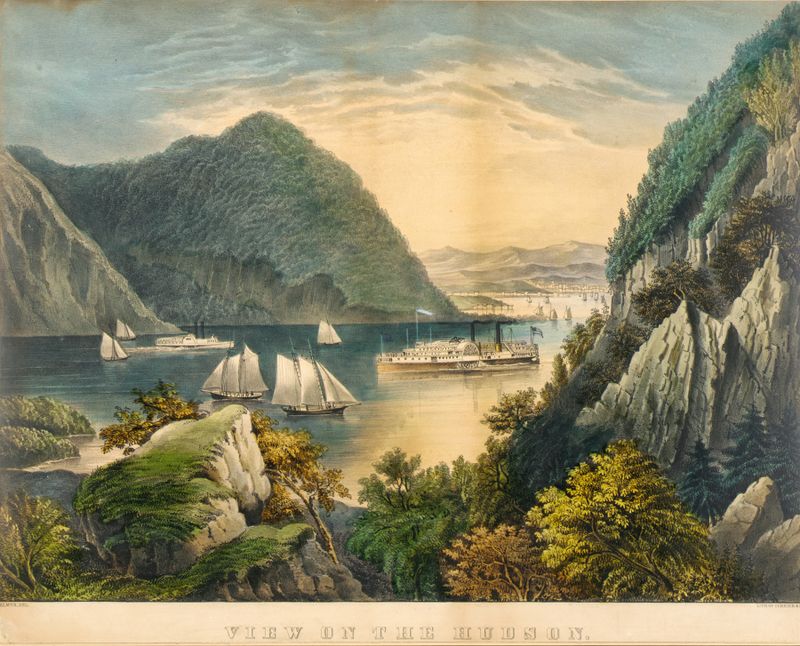
View of the Hudson
Frances Flora Bond Palmer
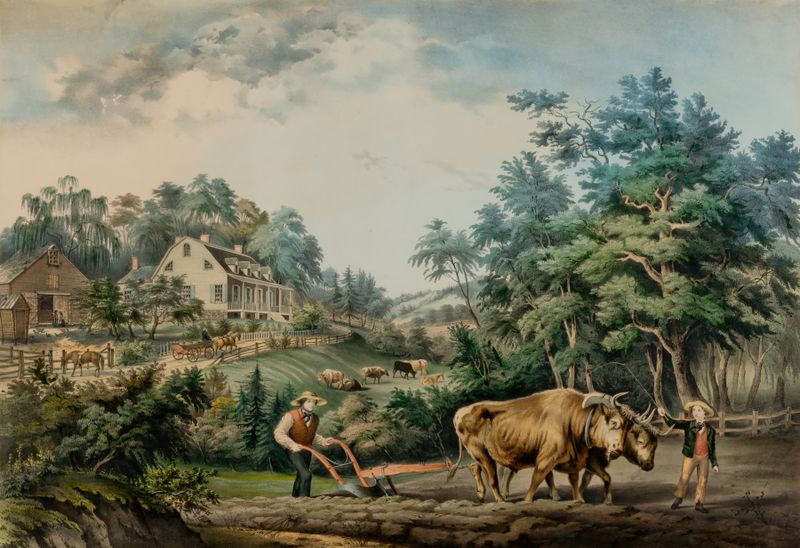
American Farm Scenes. no. 1.
Frances Flora Bond Palmer
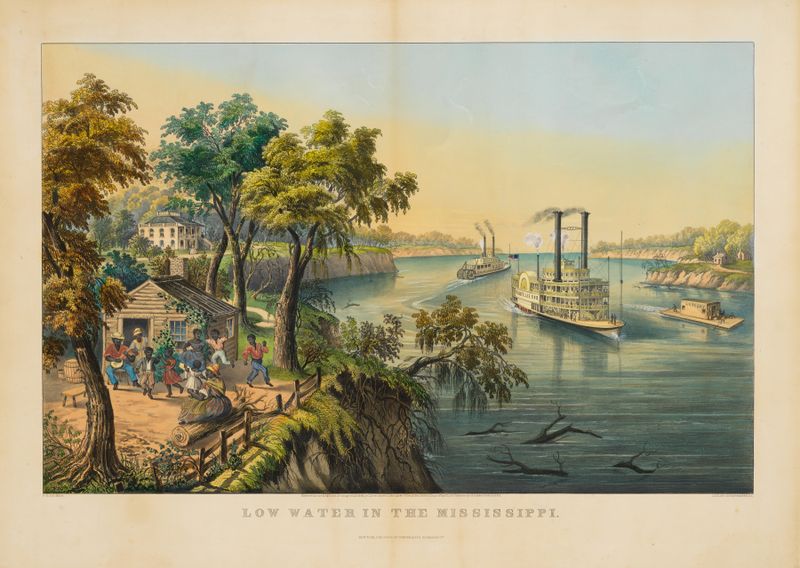
Low Water in the Mississippi
Frances Flora Bond Palmer
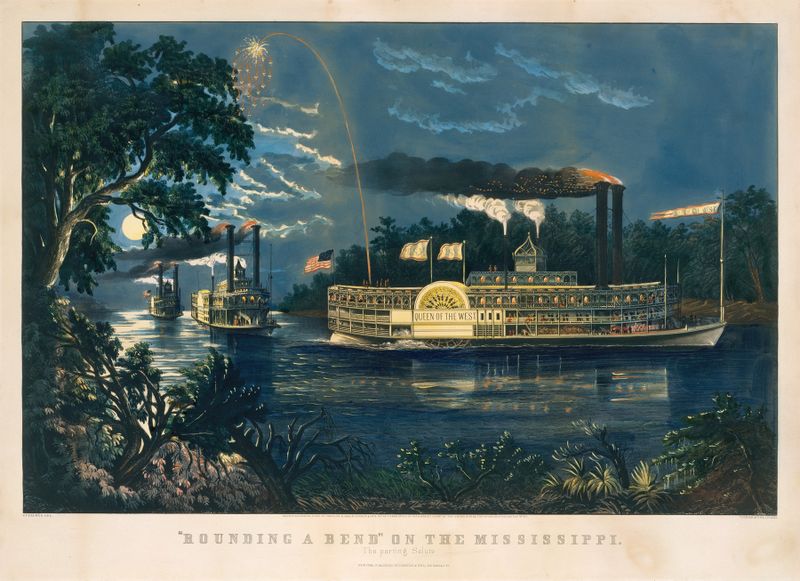
Rounding a Bend on the Mississippi – The Parting Salute
Frances Flora Bond Palmer
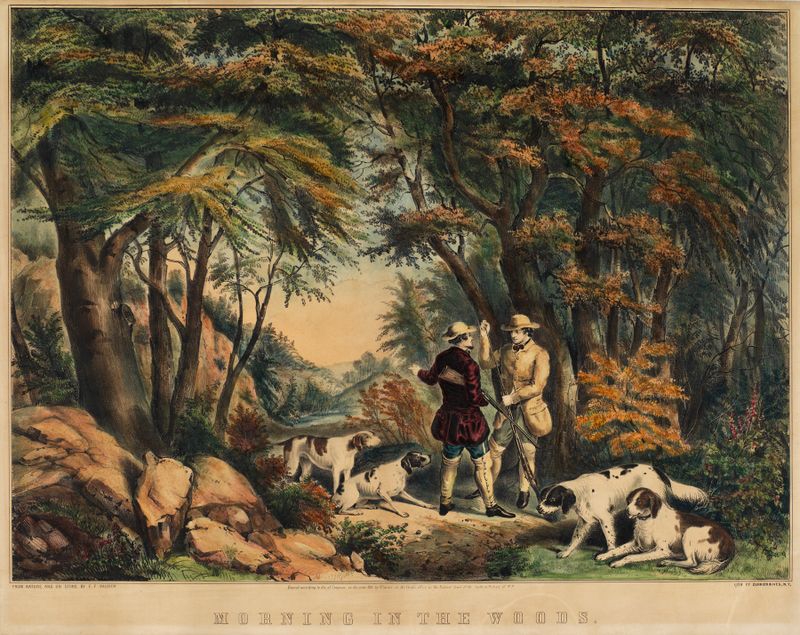
Morning in the Woods
Frances Flora Bond Palmer





