
Luxembourg — History & Facts
Could beauty survive in a century of chaos? Amidst the turbulent winds of change, innocence flickers like a fragile flame, wanting to be seen and cherished. Look closely at the sprawling landscape of Luxembourg. The viewer’s gaze naturally gravitates toward the vibrant foreground, where lush greens and earthy ochres mingle in a harmonious dance. Notice how the light plays across the canvas, illuminating the deep crevices and gentle slopes with a soft golden hue, inviting the eye to wander.
The delicate brushstrokes evoke a sense of life and movement, while the haziness of the background suggests a world beyond, shrouded in uncertainty. Turner masterfully contrasts the idyllic tranquility of nature with the looming shadows of an encroaching storm. The serene beauty of the blooming flowers stands in stark opposition to the darker, more chaotic elements hinted at in the distant cliffs. This interplay elicits a profound emotional tension, encapsulating the paradox of human existence: the coexistence of innocence and impending turmoil in a rapidly changing world. In 1825 or 1834, during a period of personal and artistic evolution, Turner created this piece amidst the shifting tides of Romanticism and the Industrial Revolution.
Engulfed by the dramatic changes around him, he sought to capture the sublime beauty that persisted even in the face of chaos, reflecting his own struggle to reconcile the innocence of nature with the complexities of modern life.
More Artworks by Joseph Mallord William Turner
Browse all →
Dort or Dordrecht- The Dort Packet-Boat from Rotterdam Becalmed
Joseph Mallord William Turner
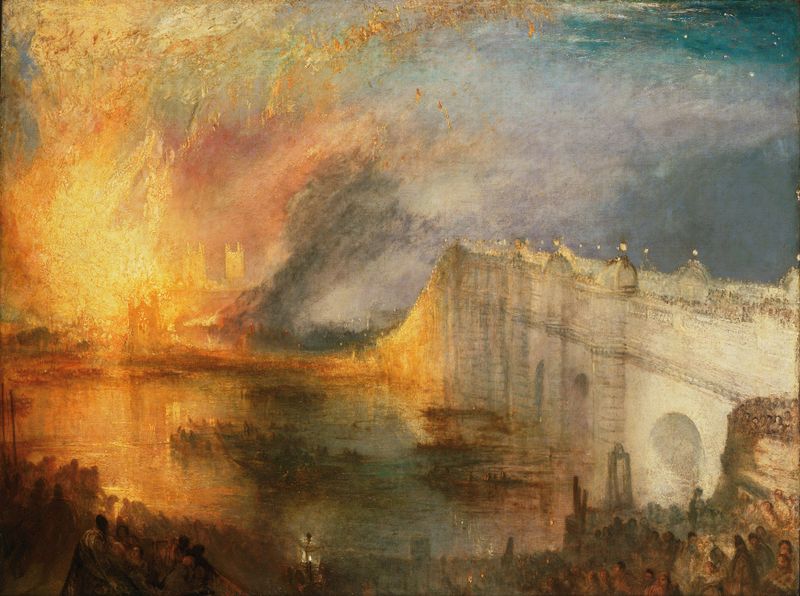
The Burning of the Houses of Lords and Commons, October 16, 1834
Joseph Mallord William Turner
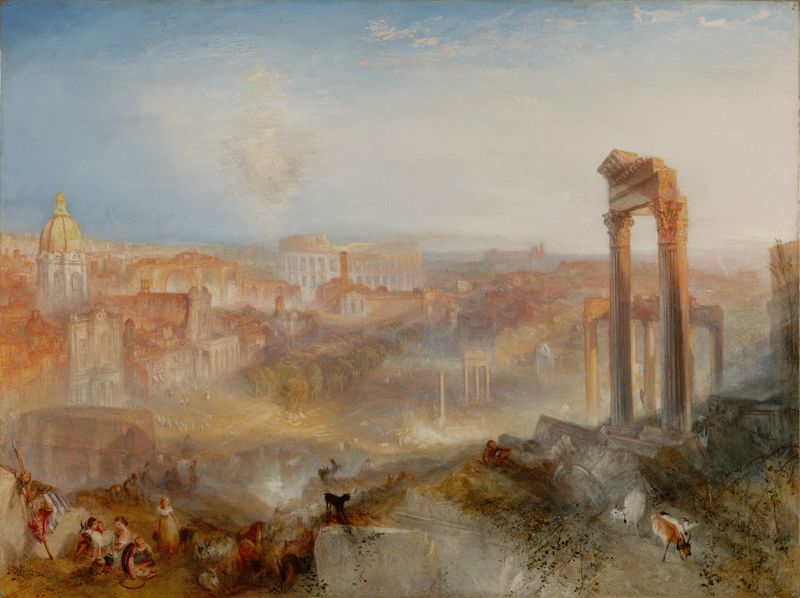
Modern Rome – Campo Vaccino
Joseph Mallord William Turner
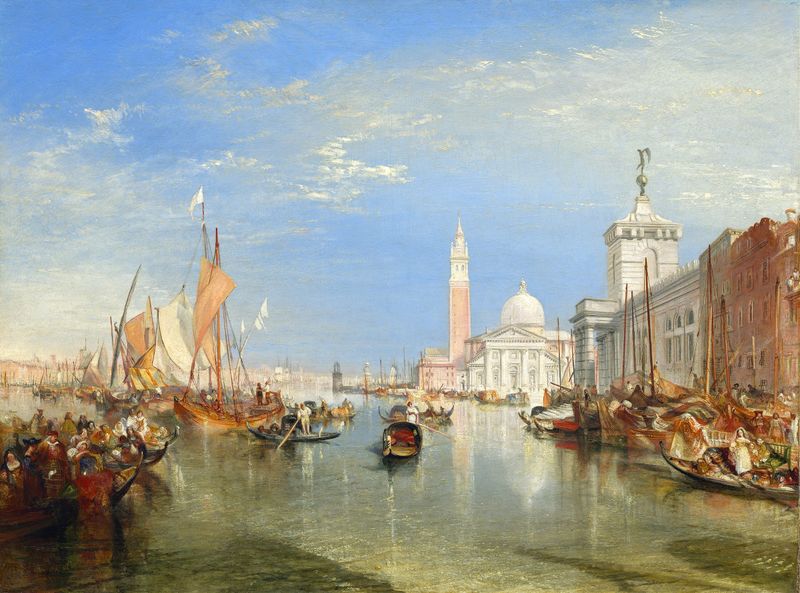
Venice – The Dogana and San Giorgio Maggiore
Joseph Mallord William Turner

The Burning of the Houses of Lords and Commons, 16 October 1834
Joseph Mallord William Turner
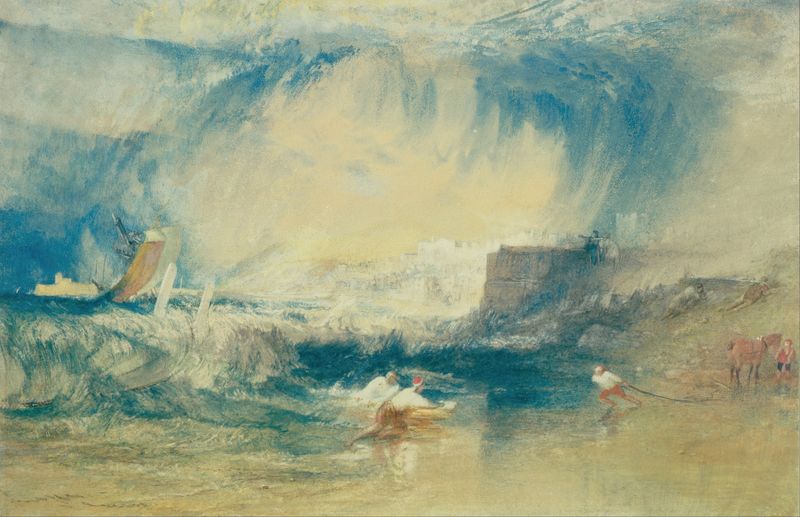
Lyme Regis, Dorsetshire, England
Joseph Mallord William Turner
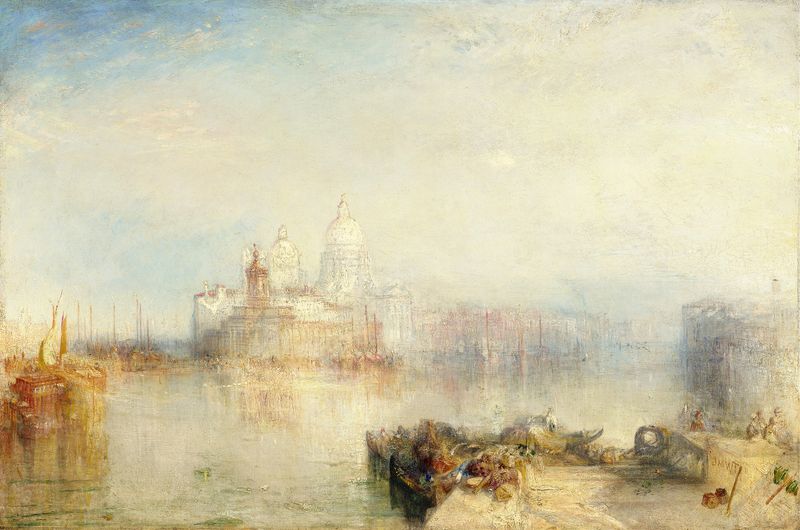
The Dogana and Santa Maria della Salute, Venice
Joseph Mallord William Turner
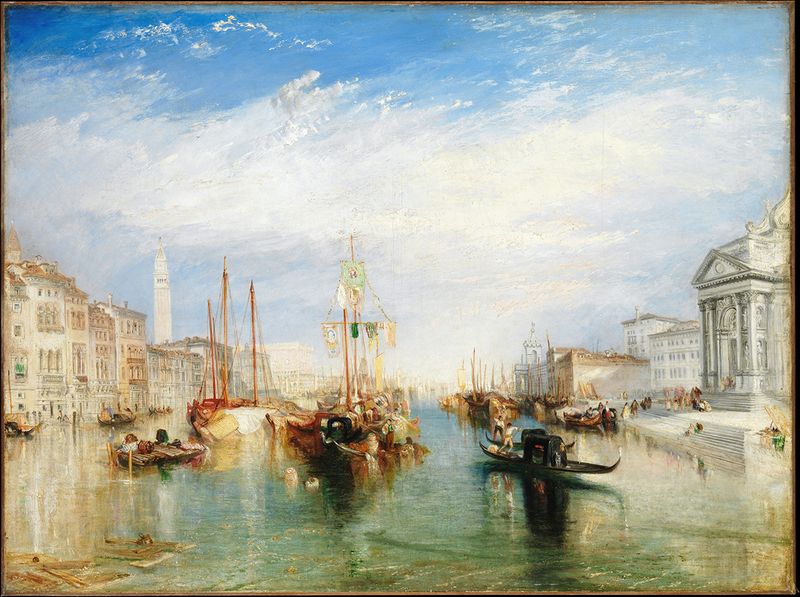
Venice, from the Porch of Madonna della Salute
Joseph Mallord William Turner
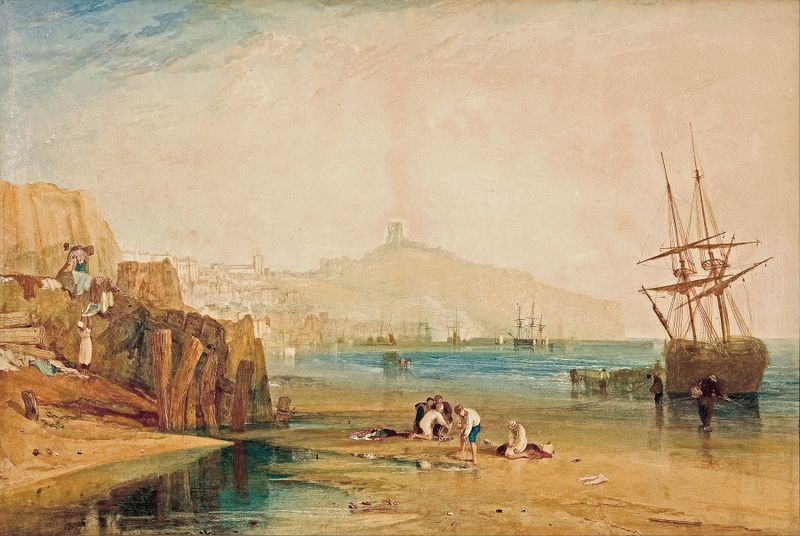
Scarborough town and castle; morning; boys catching crabs
Joseph Mallord William Turner
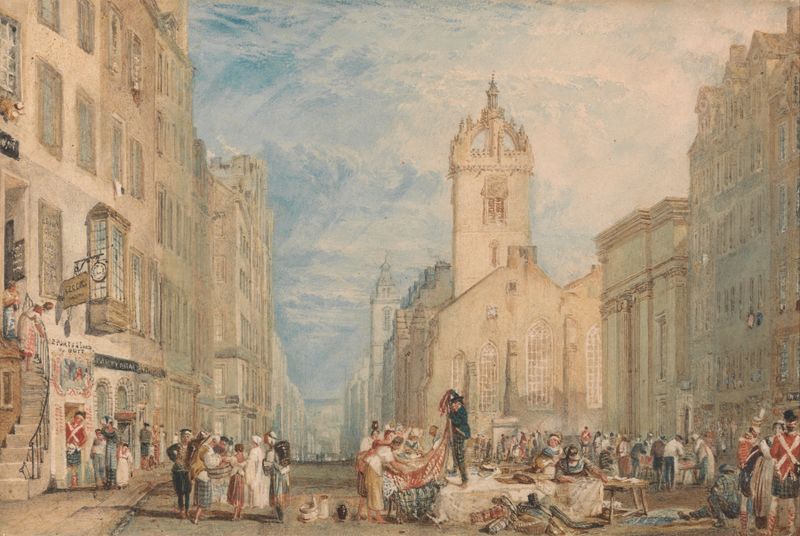
High Street, Edinburgh
Joseph Mallord William Turner





