Lwów – Wnętrze Synagogi Złotej Róży — History & Facts
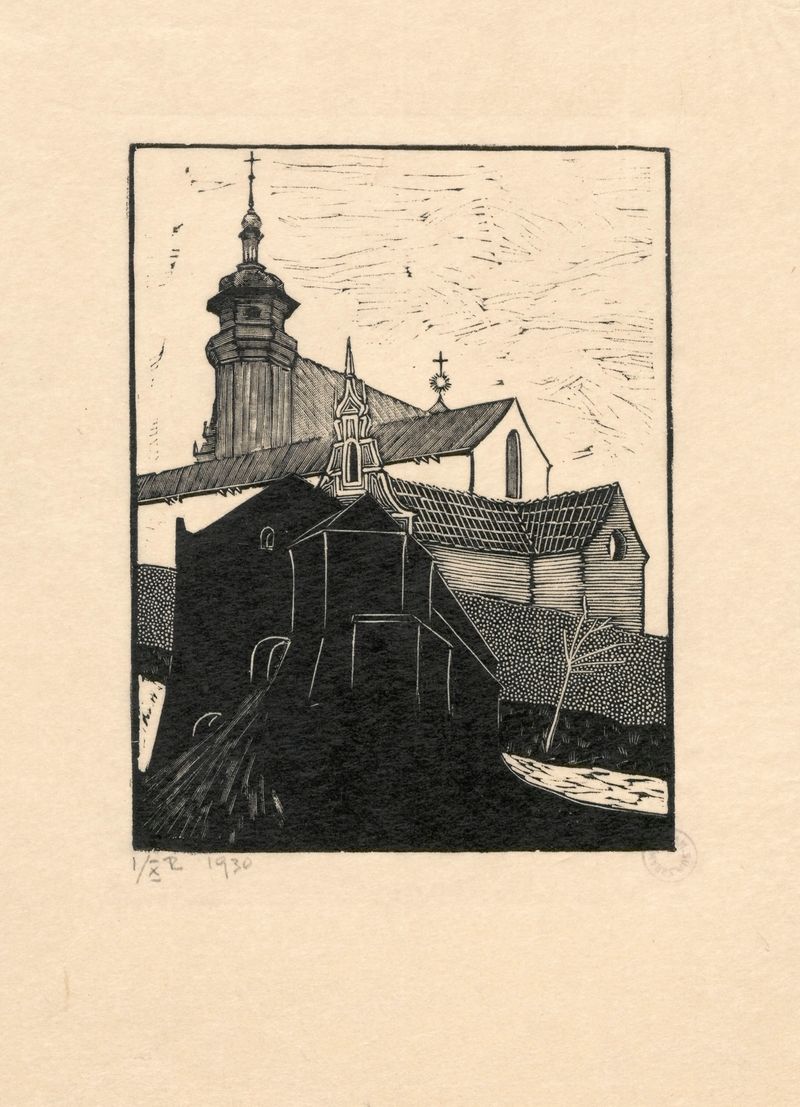
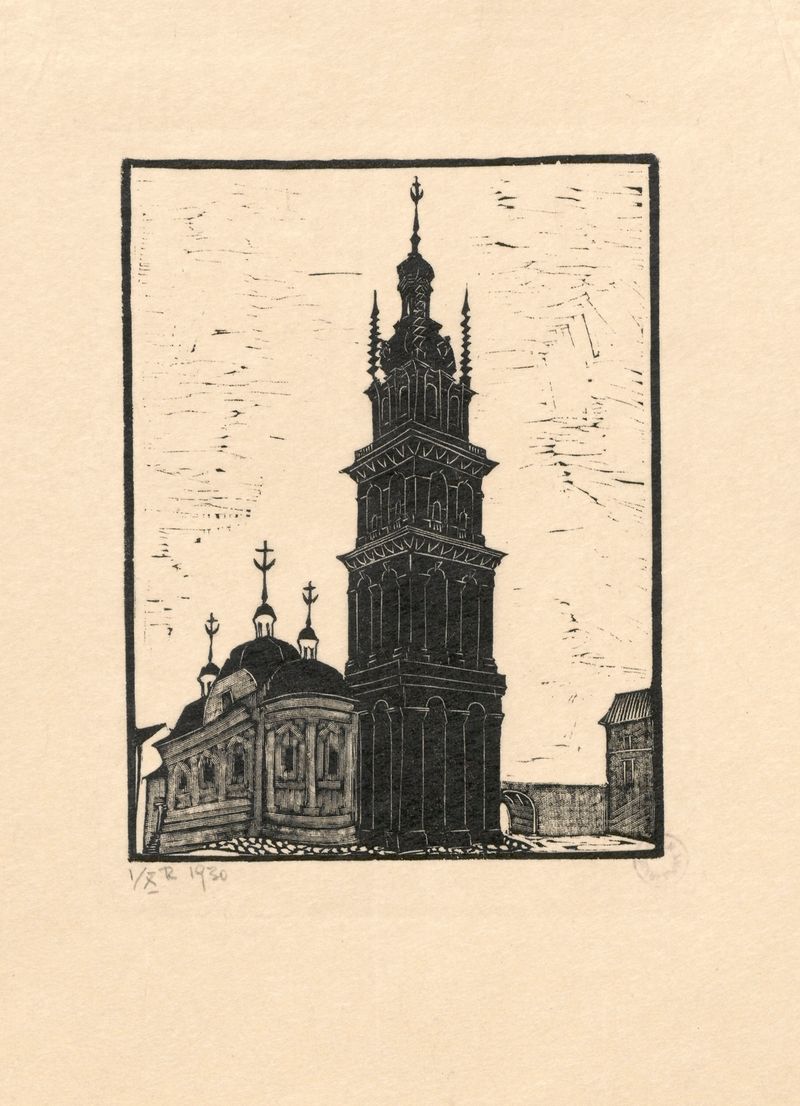
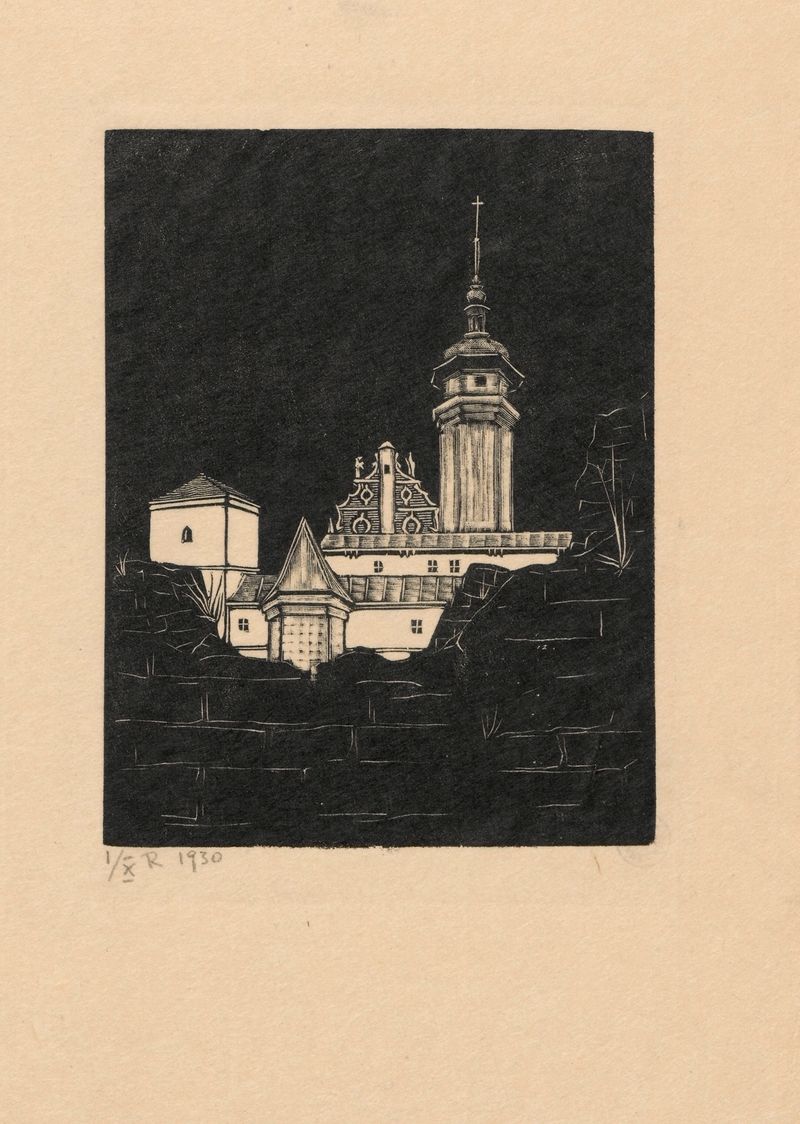
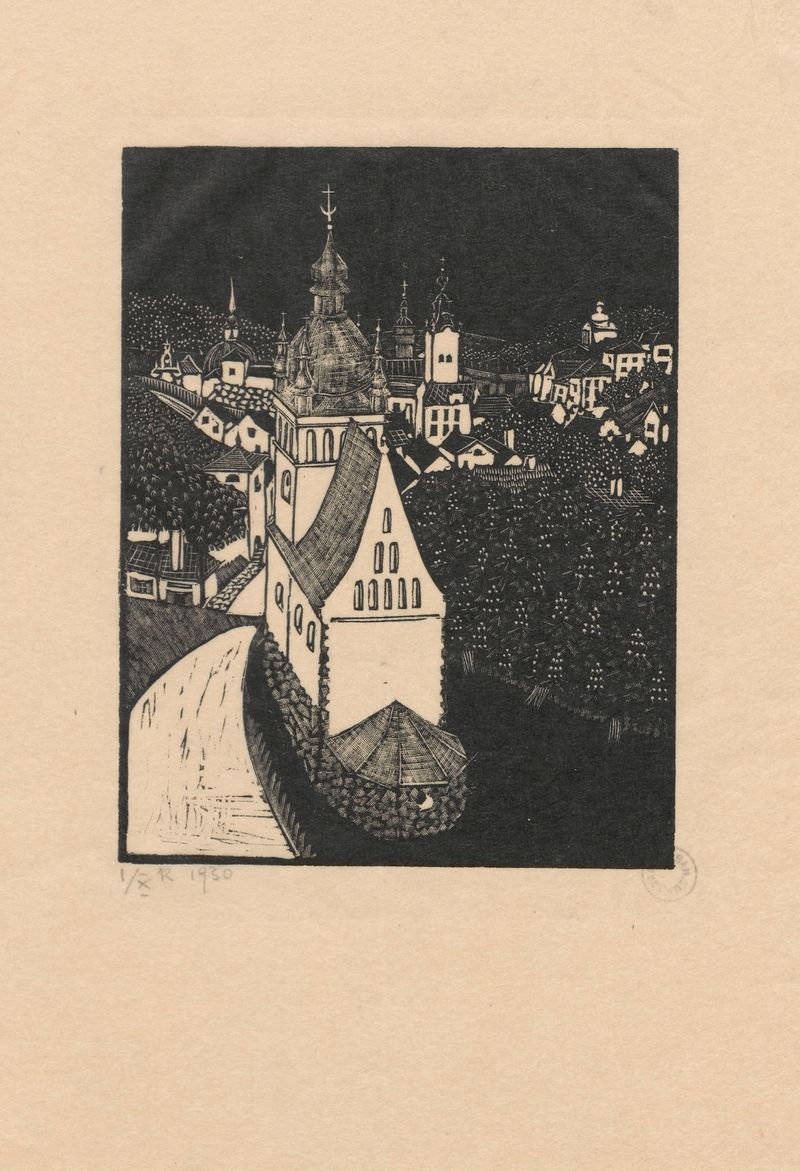
What if silence could speak through light? In Lwów – Wnętrze Synagogi Złotej Róży, the dichotomy of sacred space and impending violence resonates in the air, inviting contemplation on loss and memory. Look to the center where the warm glow of the stained glass windows bathes the interior in hues of gold and amber. The meticulous detailing of the arches and ornate carvings draws your gaze upward, while shadows cling to the corners, hinting at stories untold. The balance of light and dark serves to elevate the emotional weight of the scene, capturing the reverence and intimacy of a place steeped in history. Yet, beneath the serene beauty lies a tension that cannot be ignored.
Each flicker of light whispers of the lives once lived within these walls, evoking a profound sense of absence. The vibrant colors contrast sharply with the encroaching shadows, a poignant reminder of violence lurking just beyond the sanctuary's embrace, suggesting the fragility of peace amidst a historical backdrop fraught with turmoil. In 1930, Wiktoria Goryńska created this work during a time of rising tensions in Europe, as societal shifts and the specter of conflict loomed large. Living in a world on the cusp of change, she sought to capture the sanctity of cultural heritage during a turbulent era.
Her artistry not only immortalizes a physical space but also reflects the emotional turmoil of a community facing an uncertain future.