
Lyons from Quayside on the Rhone — History & Facts
Could beauty survive in a century of chaos? In Lyons from Quayside on the Rhone, the answer is a resounding yes, captured through the tranquil lens of a masterful observer. Look to the left, where the shimmering waters of the Rhône reflect the warm hues of a late afternoon sky. The artist employs a delicate interplay of blues and golds, drawing your gaze across the canvas as if inviting you to stroll along the quayside yourself. Notice how the clouds appear to converse with one another, their soft forms echoing the gentle ripples in the river, while the architectural lines of Lyons rise majestically in the background, framing the scene with a sense of stability amidst the fluidity of nature. Deeper meanings swirl within this serene portrayal.
The calmness of the water contrasts sharply with the tumultuous events of the early 19th century, suggesting that moments of beauty can exist even when chaos looms nearby. The juxtaposition of the city's solid structures against the ephemeral qualities of light and water evokes a tension between permanence and transience, hinting at the madness of a world on the brink of transformation. In 1824, James Duffield Harding was establishing his reputation as a skilled watercolorist, influenced by the Romantic movement’s emphasis on nature and emotion. Working in a period marked by political upheaval in Europe, he sought refuge in the landscapes that surrounded him.
This painting reflects both his personal journey and the broader artistic exploration of capturing fleeting beauty amid a changing world.
More Artworks by James Duffield Harding
Browse all →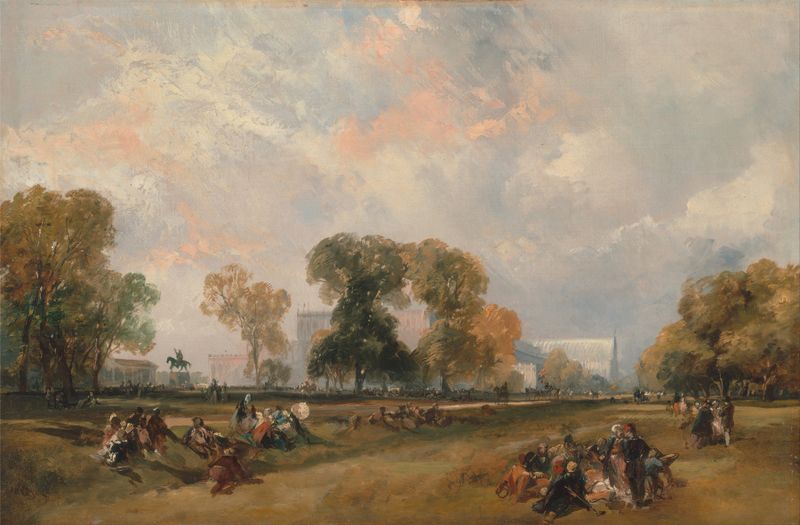
The Great Exhibition of 1851
James Duffield Harding
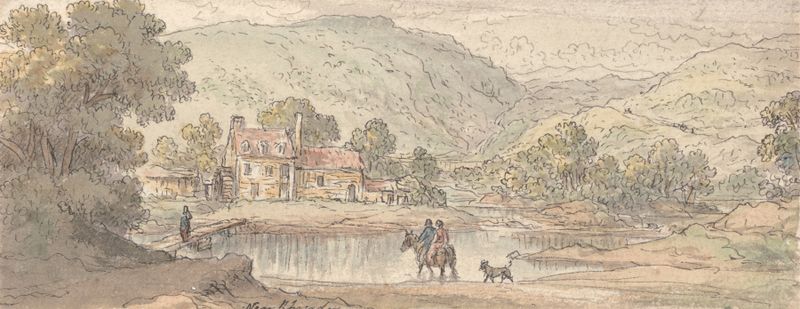
Fording the Stream in a Mountain Valley
James Duffield Harding
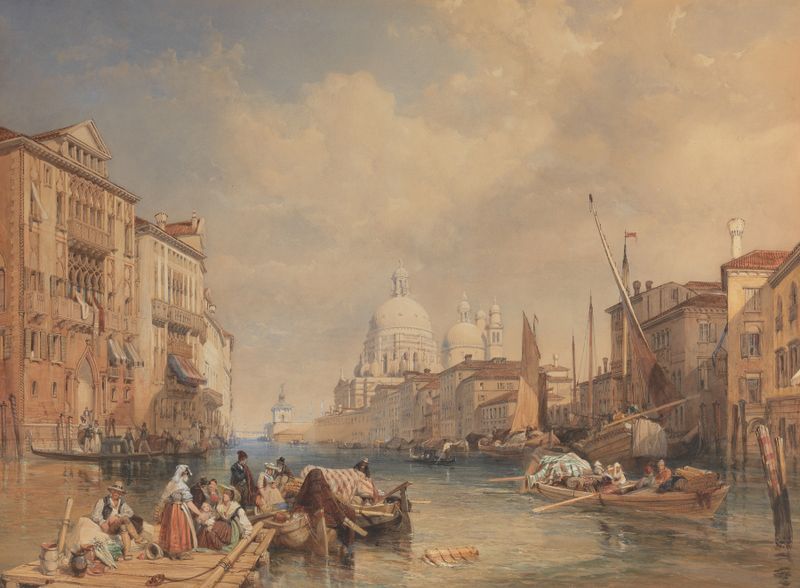
The Grand Canal, Venice
James Duffield Harding
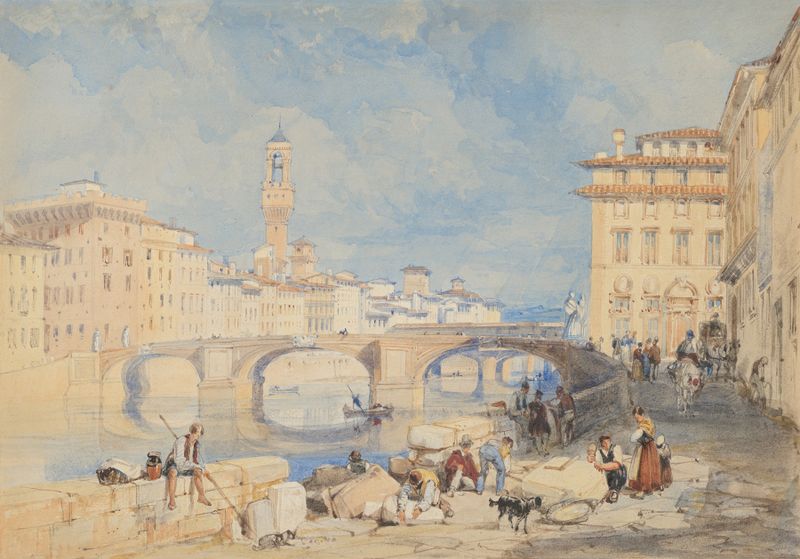
Ponte Santa Trinità, Florence
James Duffield Harding
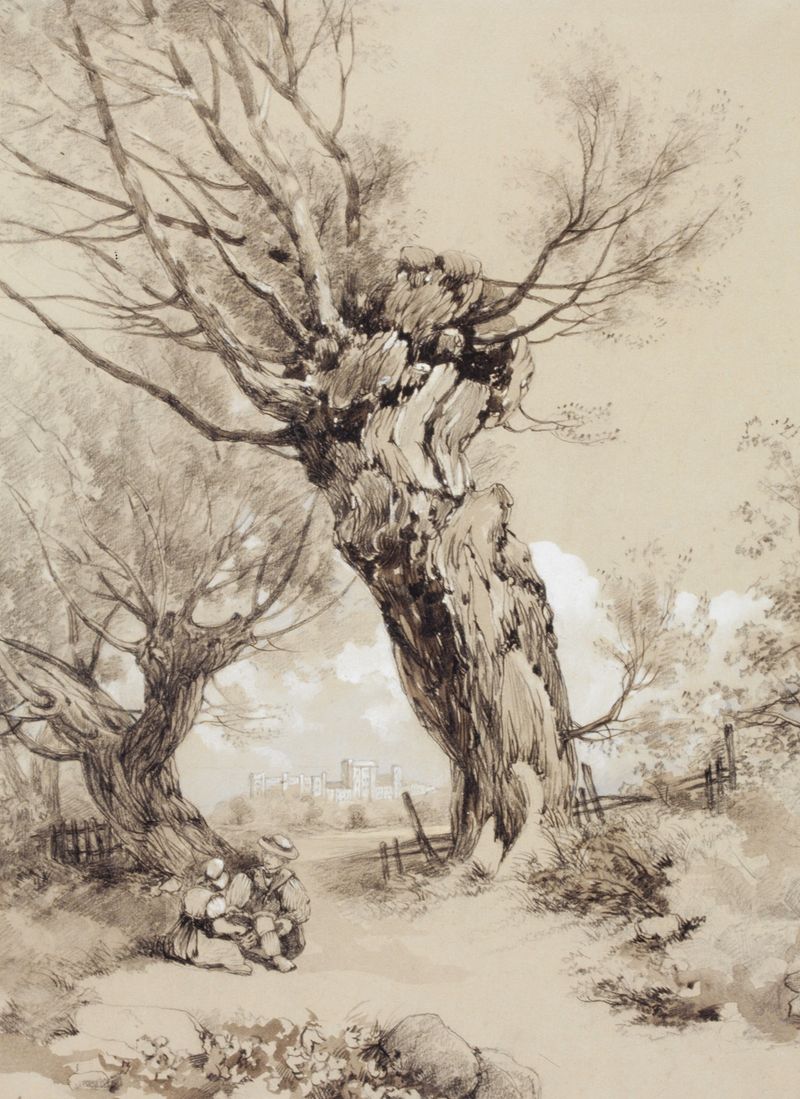
Landscape with Figures under Pollarded Trees
James Duffield Harding
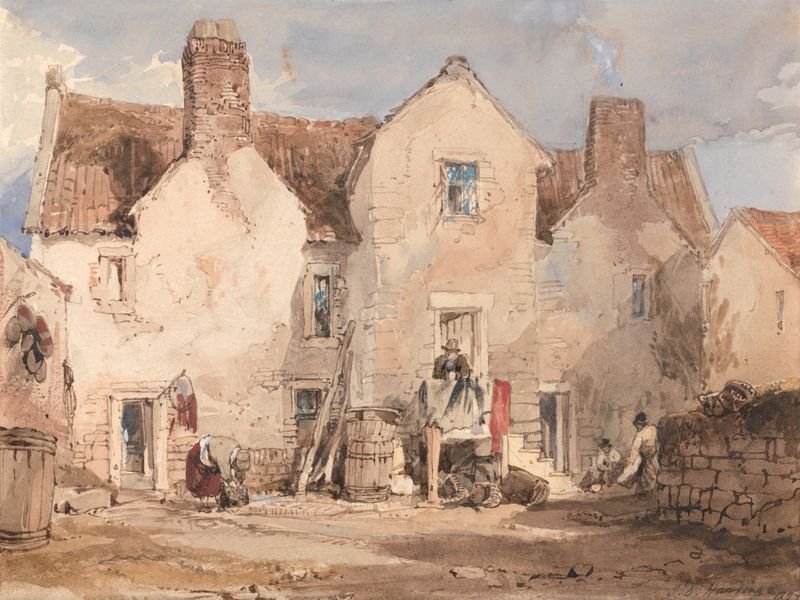
Fishermen’s Houses at Sculcoats near Hull, Yorkshire
James Duffield Harding





