
Ponte Santa Trinità, Florence — History & Facts
Is this a mirror — or a memory? The delicate interplay between reality and reflection in Ponte Santa Trinità draws the viewer to a bridge that transcends mere stone and mortar, embodying a collective yearning for connection and continuity. Look to the center of the composition, where the graceful arch of the bridge rises above the rippling waters of the Arno. The soft hues of dusk paint the sky in warm oranges and deep blues, creating a tranquil backdrop that contrasts with the vibrant activity along the banks. Notice how the reflections in the water echo the bridge’s elegant form, inviting contemplation.
Each brushstroke captures the fluid movement of the river, while the figures meandering along the walkway infuse life into the scene. The contrast between the stillness of the water and the bustling humanity along the bridge speaks to the tension between permanence and transience. The bridge symbolizes hope, a connection between past and future, while the flow of the river suggests the relentless passage of time. Each figure, whether lost in thought or engaged in conversation, embodies the longing for togetherness, evoking a sense of nostalgia that resonates with the viewer's own memories. Created before 1832, while Harding was in Florence, Ponte Santa Trinità reflects the artist's fascination with the tranquil beauty of Italian landscapes.
During this period, Harding was establishing his reputation as a watercolorist, influenced by the Romantic movement’s emphasis on emotion and nature. This work encapsulates a moment in time, bridging the gap between the artist's personal journey and the broader cultural currents shaping the world around him.
More Artworks by James Duffield Harding
Browse all →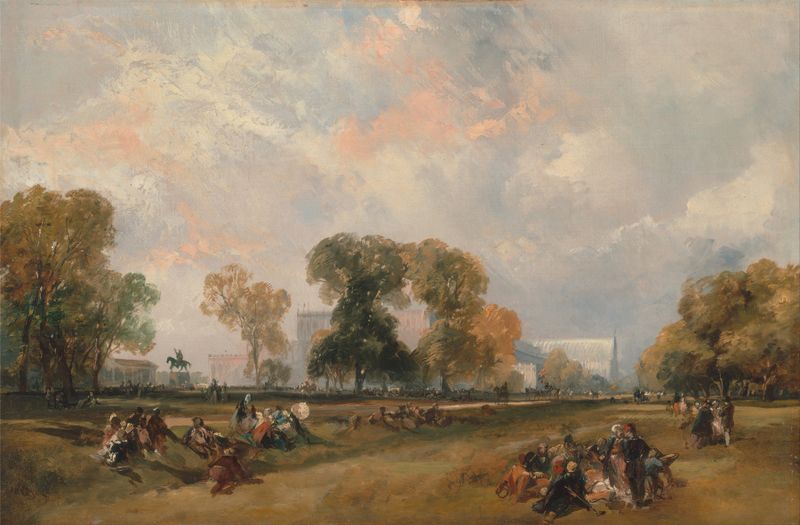
The Great Exhibition of 1851
James Duffield Harding
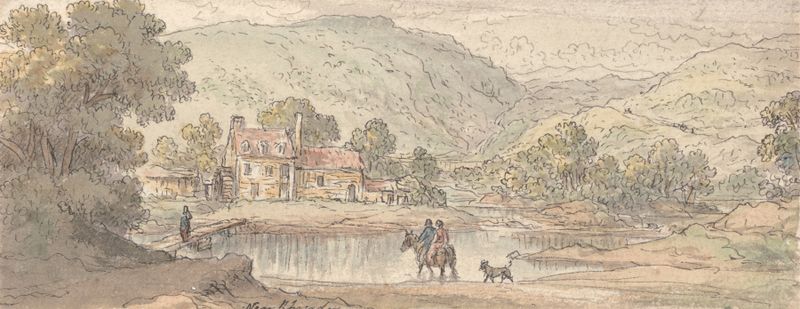
Fording the Stream in a Mountain Valley
James Duffield Harding
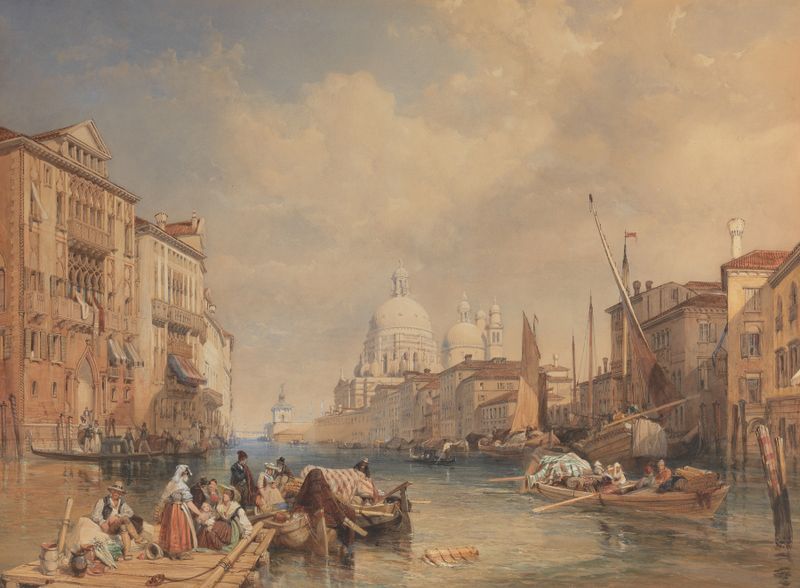
The Grand Canal, Venice
James Duffield Harding
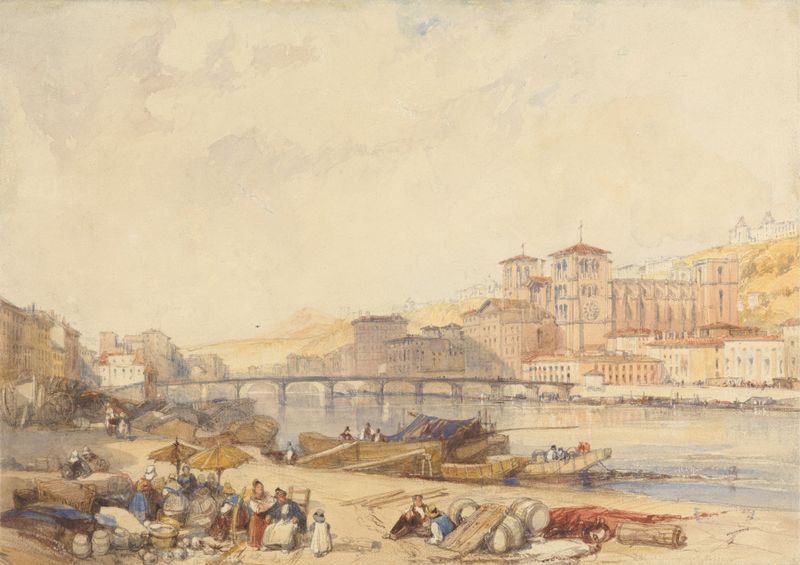
Lyons from Quayside on the Rhone
James Duffield Harding
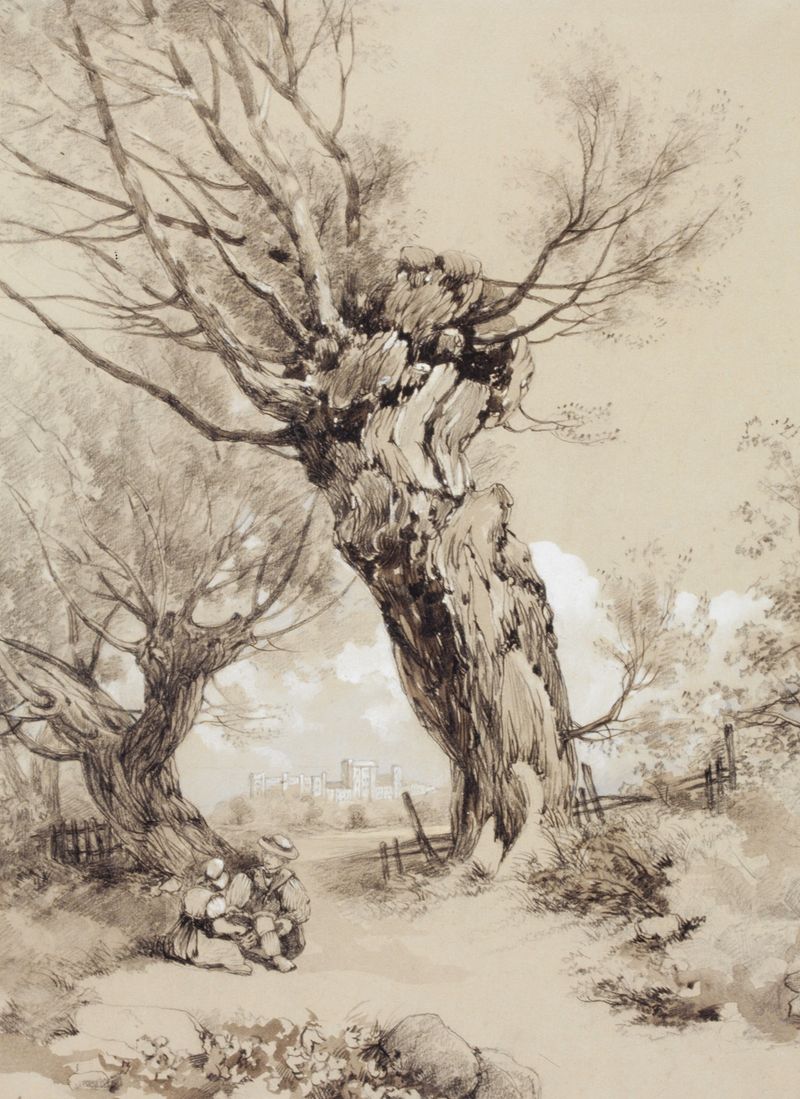
Landscape with Figures under Pollarded Trees
James Duffield Harding
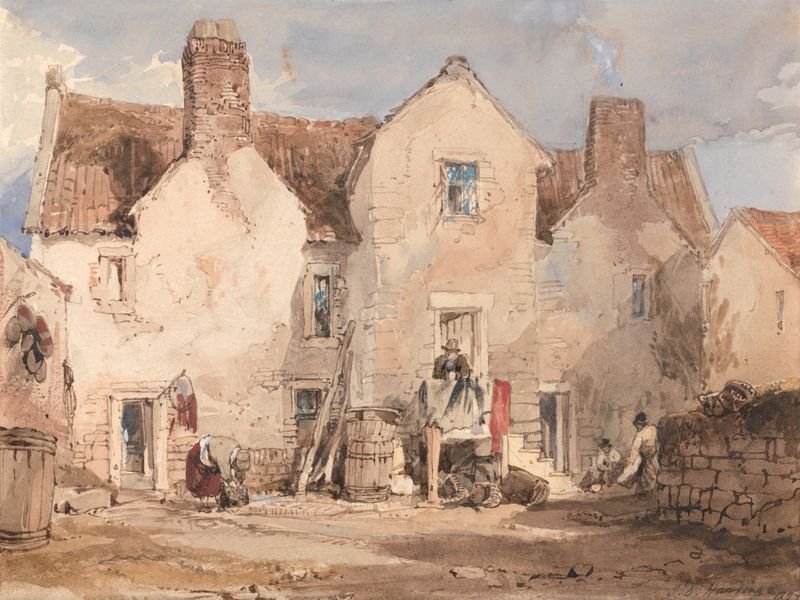
Fishermen’s Houses at Sculcoats near Hull, Yorkshire
James Duffield Harding
More Architecture Art
Browse all →
The statue of Liberty
Frédéric Auguste Bartholdi

View of Houses in Delft, Known as ‘The Little Street’
Johannes Vermeer

View of Houses in Delft, Known as ‘The Little Street’
Johannes Vermeer

The Cathedral in Rouen. The portal, Grey Weather
Claude Monet

The yellow house
Vincent van Gogh

The Church in Auvers-sur-Oise, View from the Chevet
Vincent van Gogh