
Madame Paul Escudier (Louise Lefevre) — History & Facts
When did color learn to lie? In a world awash with artifice, the delicate interplay of hue and form can often obscure the truth of a subject’s essence. The surface brilliance of a painting may mask the void beneath, hinting at deeper emotional landscapes hidden in plain sight. Look closely at the figure, elegantly poised in her flowing dress, the soft folds of fabric cascading like whispers of a forgotten tale. Notice how the light dances upon her attire, rendering a spectrum of muted pastels that enhance her ethereal presence.
Sargent’s brushwork reveals a masterful command of texture, inviting your eyes to wander from the meticulously painted bodice to the gentle shadows that cradle her face. Each stroke breathes life into the canvas, yet leaves a lingering sense of solitude in her expression. Beneath the surface beauty lies an emotional tension that invites reflection. The void alluded to in the color palette suggests a depth of feeling—perhaps isolation or longing—that contrasts with her poised demeanor.
The backdrop, a blend of soft greens and browns, further amplifies this tension, creating a subtle dialogue between the subject and her environment. This dichotomy between vibrancy and stillness invites the viewer to question the narrative behind her gaze, suggesting that the truth may not always be visible. In 1882, during a flourishing period of portraiture, Sargent was establishing his reputation as a painter of high society. At this time, he was living in Paris, immersed in a vibrant artistic community that celebrated both tradition and innovation.
Madame Paul Escudier was not merely a subject; she represented the complexities of identity and the roles women navigated in that era—a poignant reminder of the interplay between appearance and reality in both art and life.
More Artworks by John Singer Sargent
Browse all →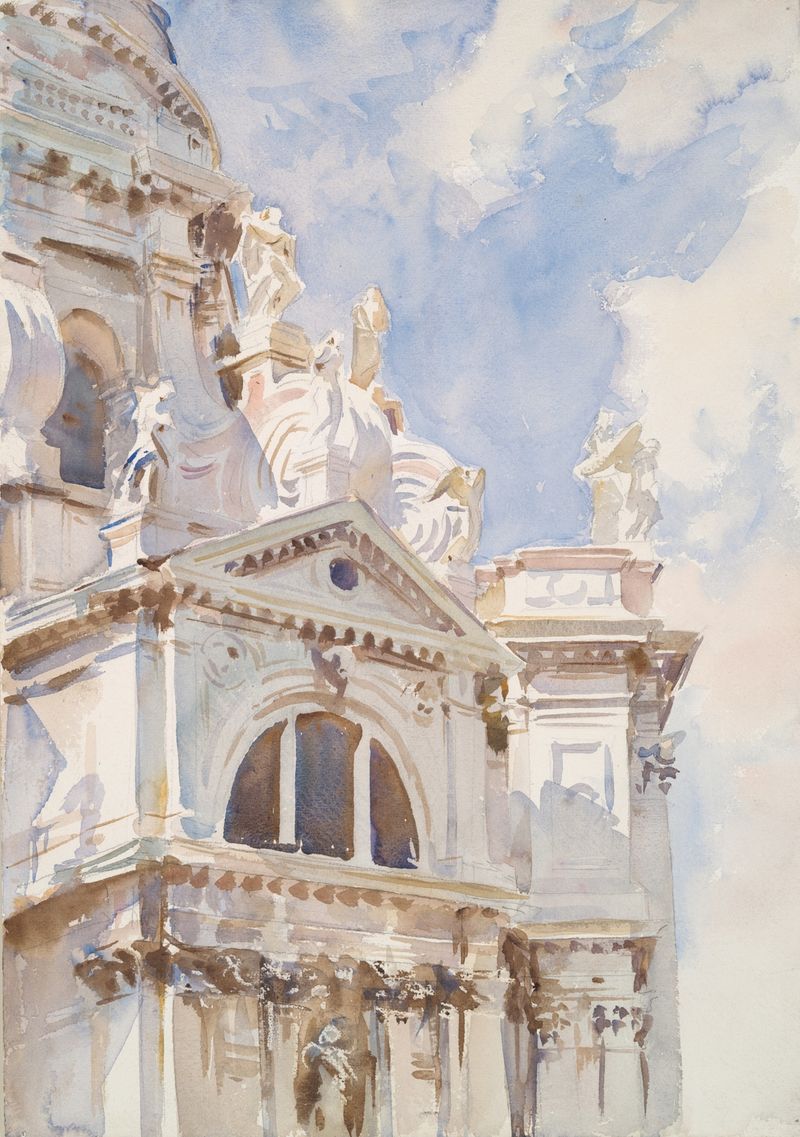
The Salute, Venice
John Singer Sargent

Mrs. Charles Deering (Marion Denison Whipple)
John Singer Sargent
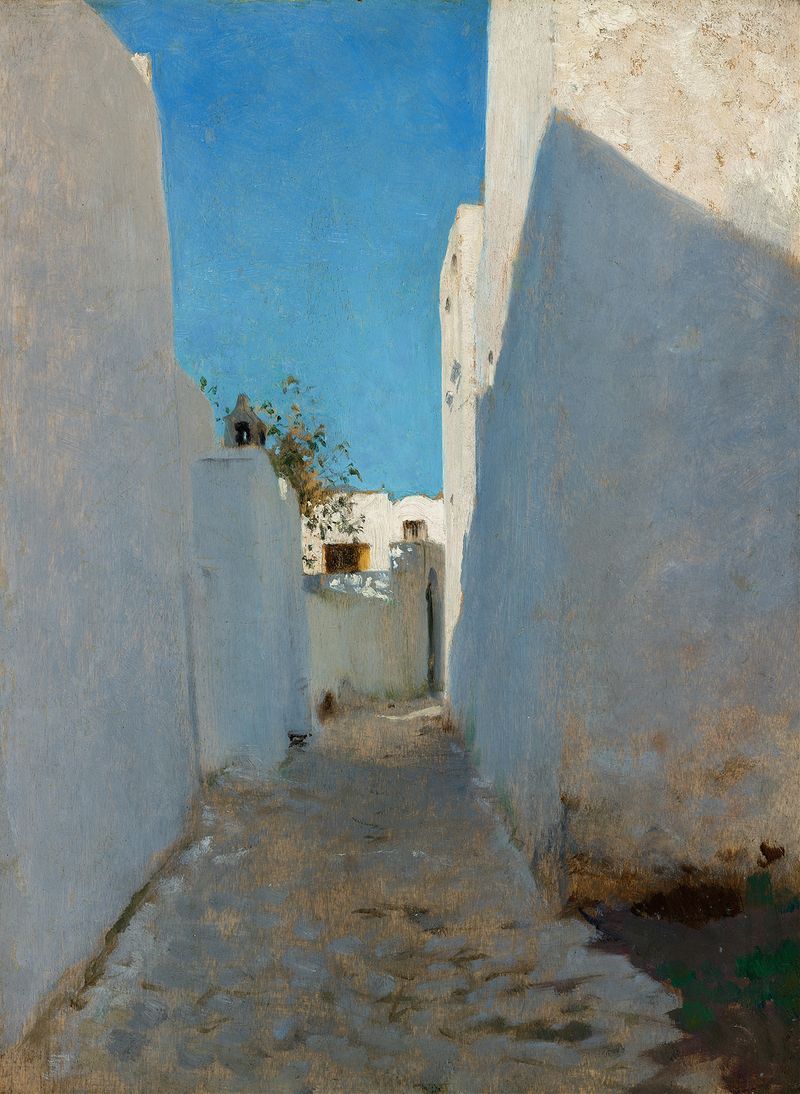
A Moroccan Street Scene
John Singer Sargent
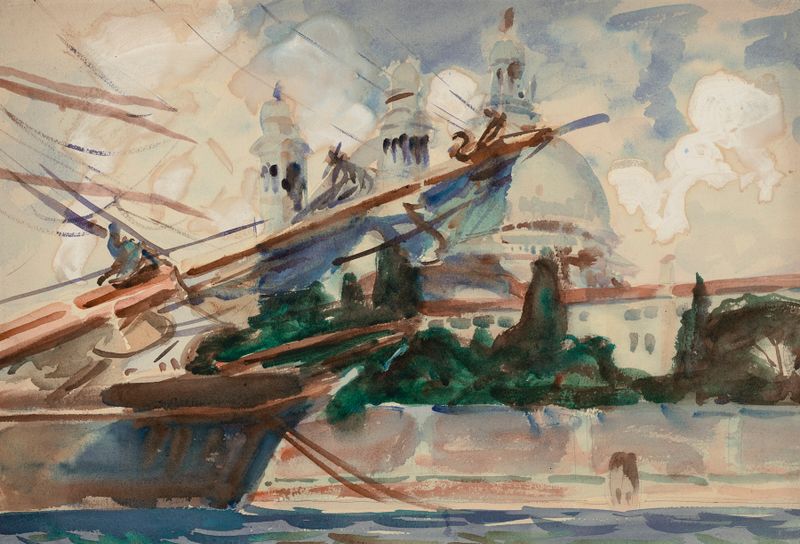
The Salute, Venice
John Singer Sargent
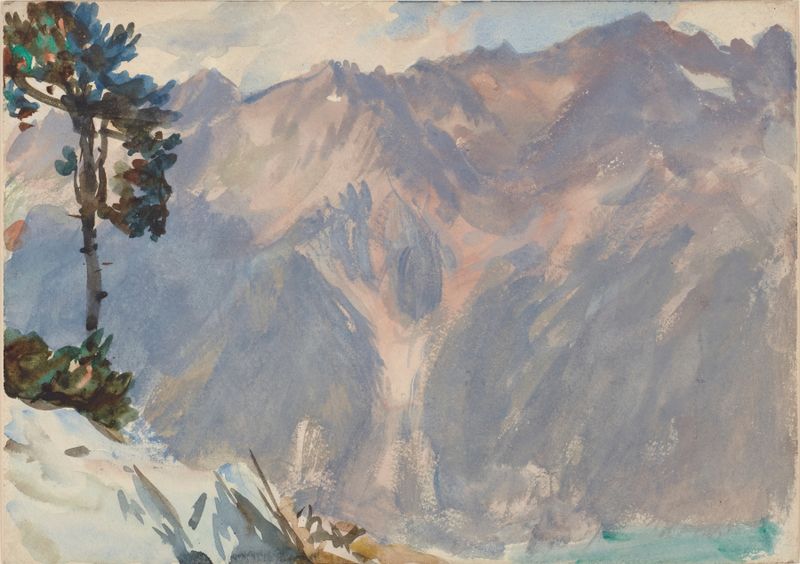
Tyrol
John Singer Sargent
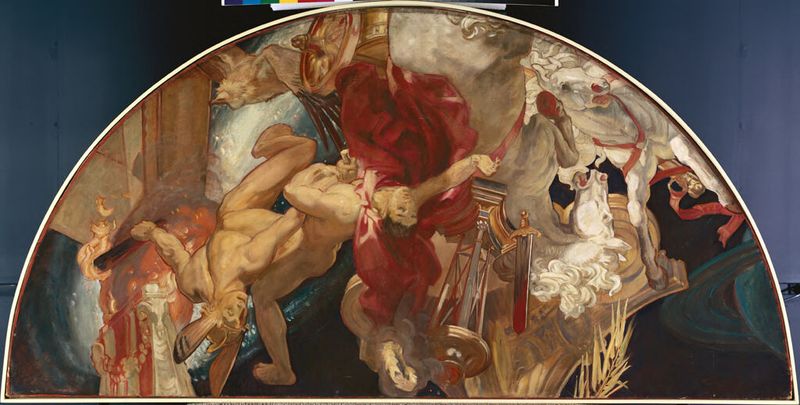
Study for "Gog and Magog," for the Boston Public Library
John Singer Sargent
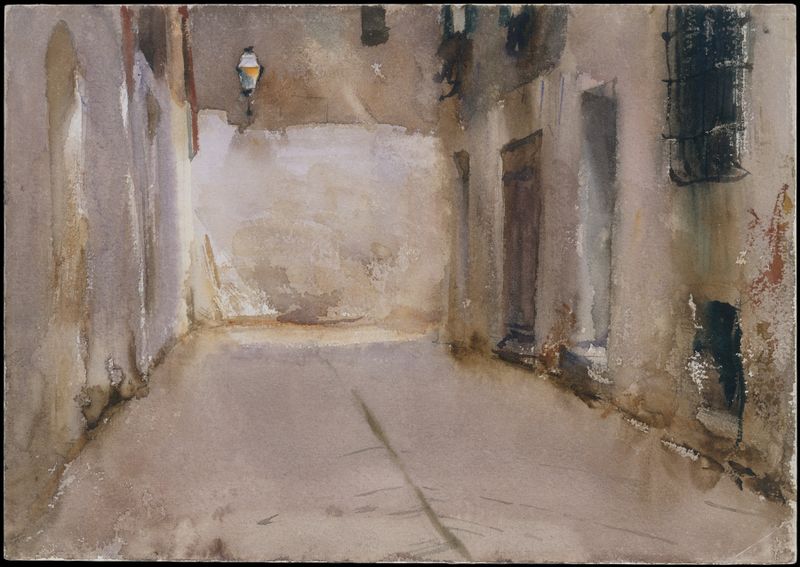
Venice
John Singer Sargent
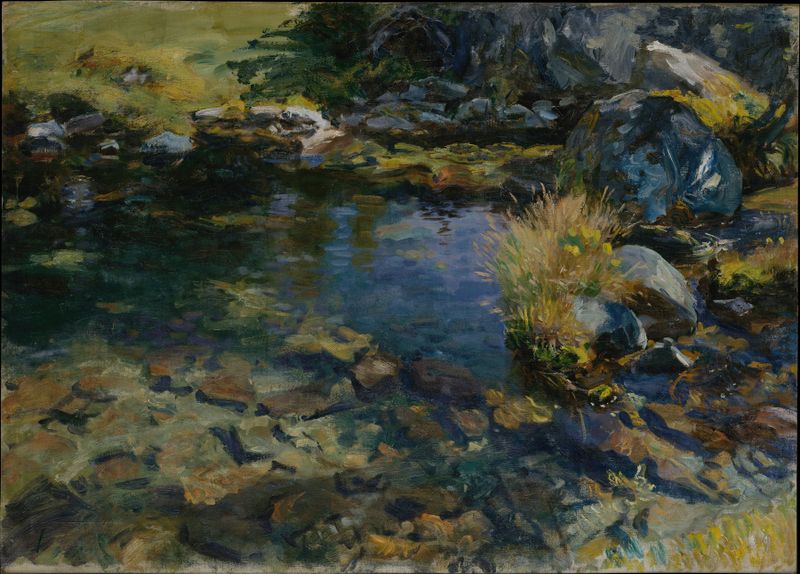
Alpine Pool
John Singer Sargent
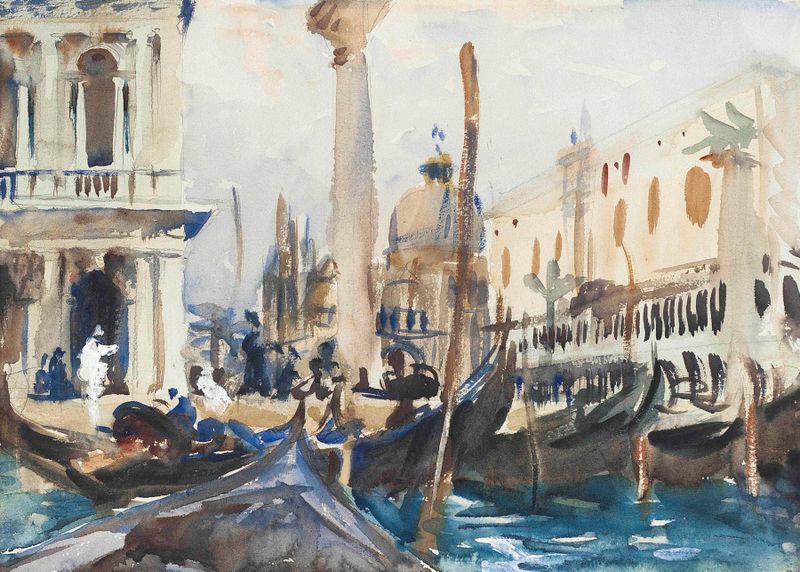
The Piazzetta with Gondolas
John Singer Sargent
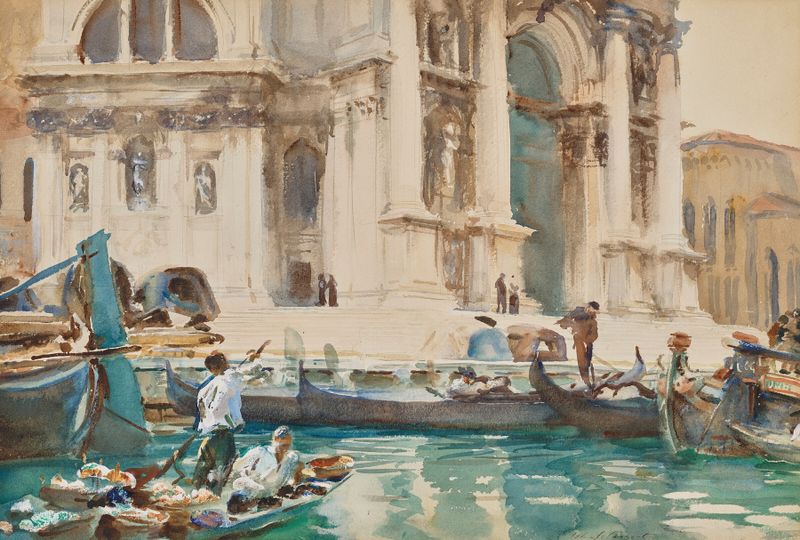
The Façade of La Salute, Venice
John Singer Sargent
More Portrait Art
Browse all →
Las meninas
Diego Velázquez

Self-portrait with a Bandaged Ear and Pipe
Unidentified artist

Girl with a Pearl Earring
Johannes Vermeer

The Sampling Officials of the Amsterdam Drapers’ Guild, Known as ‘The Syndics’
Rembrandt van Rijn

The Hundred Guilder Print: the man seen on the back in the lower left corner
Rembrandt van Rijn

Portrait of Dr Gachet
Vincent van Gogh