
Maisons au bord de la rivière — History & Facts
This sentiment resonates powerfully in the intricate layers of a landscape where tranquility masks an undercurrent of unrest. In Maisons au bord de la rivière, the allure of a serene riverside is tinged with an unsettling tension, inviting deeper reflection on the fragility of peace. First, look to the left, where the quaint houses nestle against the banks of the river. Their warm hues contrast sharply with the cooler, darker tones of the water, creating an immediate visual dialogue.
Notice how the brushstrokes blend into a rhythmic dance; the flowing lines of the river echo the curves of the terrain, while the jaggedness of the trees hints at an unease lurking beneath the surface. The light plays a vital role here, illuminating certain areas while casting shadows that suggest hidden stories. Beneath the surface tranquility lies a complex interplay of beauty and violence. The vibrant colors, while inviting, might also evoke a sense of foreboding—are these homes secure or merely an illusion of safety? The turbulent waters not only reflect the sky but also symbolize the turbulent emotions concealed within the scene.
Each house stands as a testament to human resilience, yet they’re dwarfed by the looming presence of nature, reminding us of the tenuous grip we hold on our constructed lives. Emile Othon Friesz painted this piece in 1936 during a time of significant upheaval in Europe, as tensions were escalating towards World War II. Living in Paris amidst a vibrant avant-garde scene, he was influenced by the fauvist movement, which championed bold colors and emotional expression. This painting captures not only the external beauty of his surroundings but also the internal struggles of an artist witnessing the storm clouds of conflict gathering on the horizon.
More Artworks by Emile Othon Friesz
Browse all →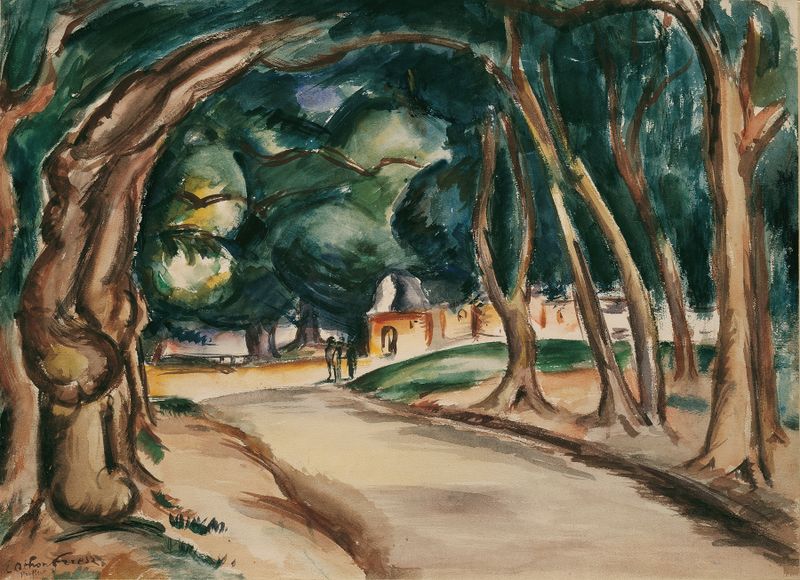
Allee
Emile Othon Friesz
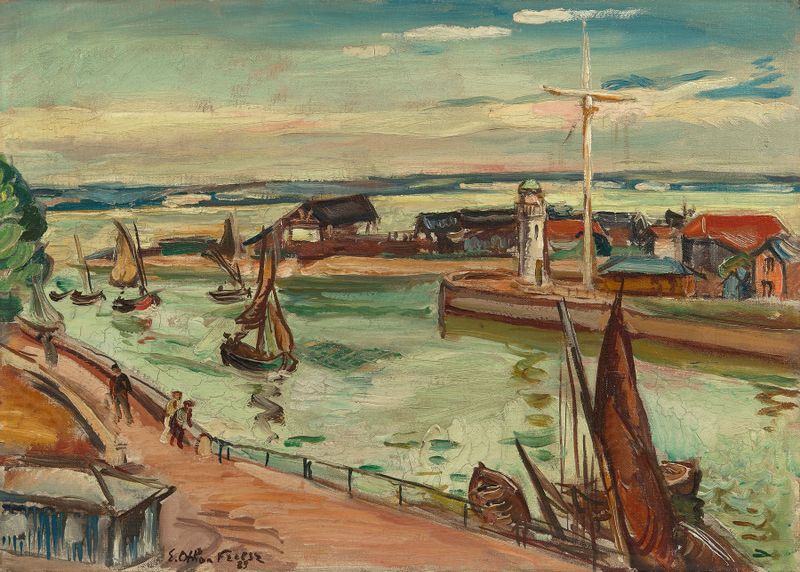
Sortie de port à Honfleur
Emile Othon Friesz
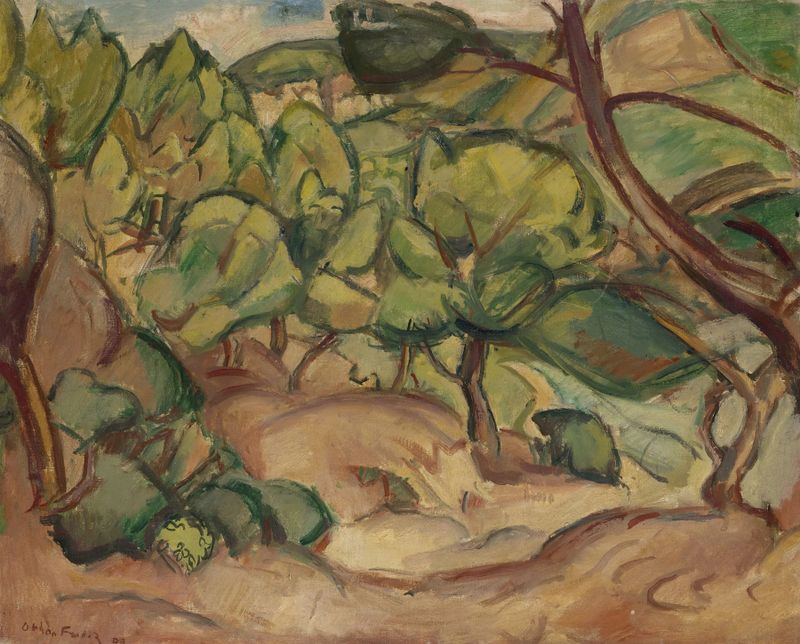
Dans les pins
Emile Othon Friesz
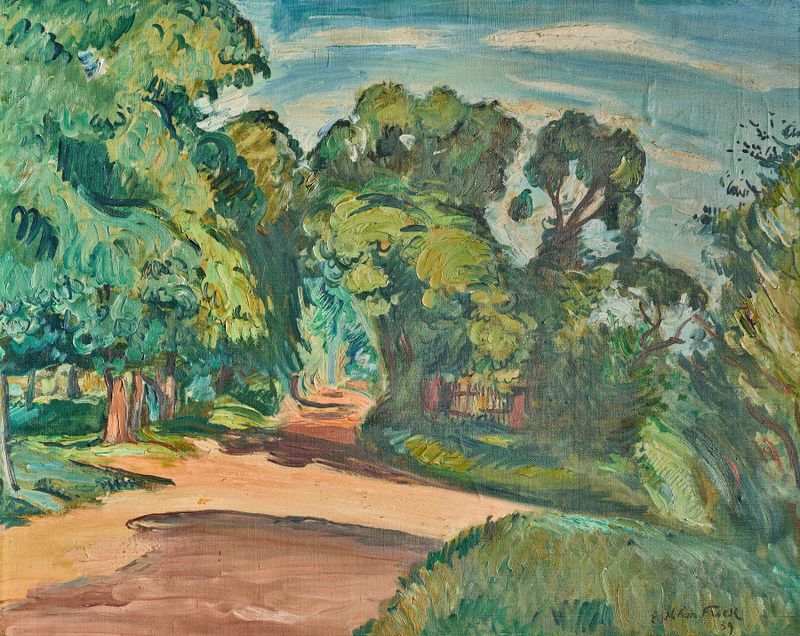
La croisée des chemins
Emile Othon Friesz
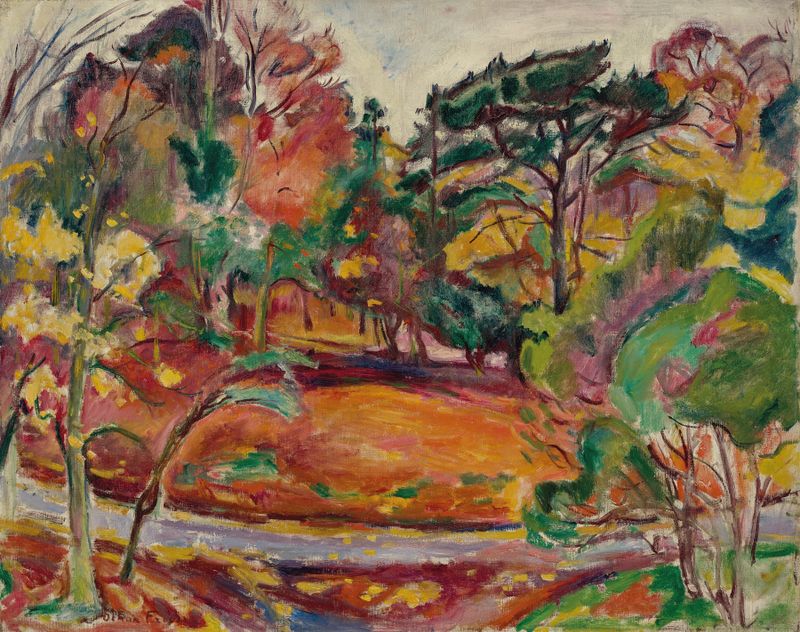
Automne à Honfleur, la Côte de Grâce
Emile Othon Friesz
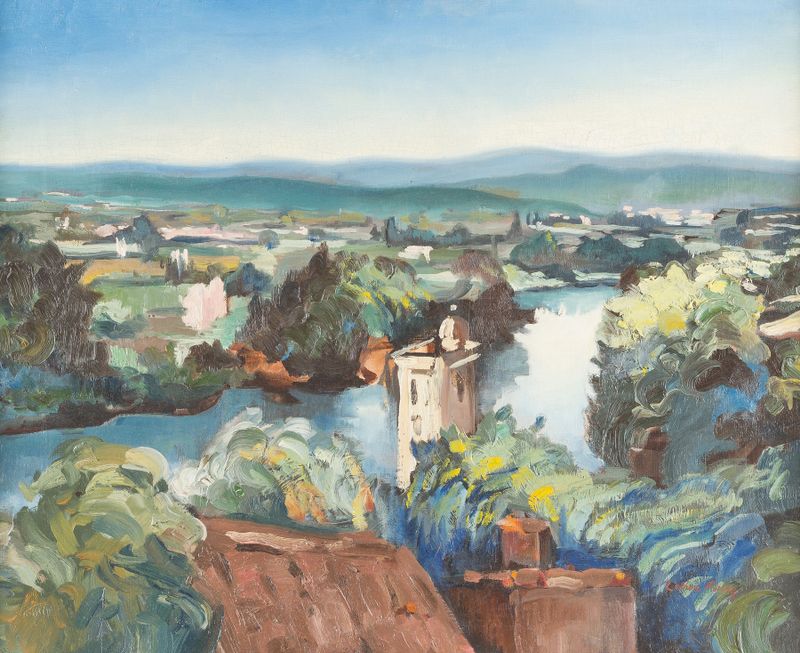
View to the horizon
Emile Othon Friesz
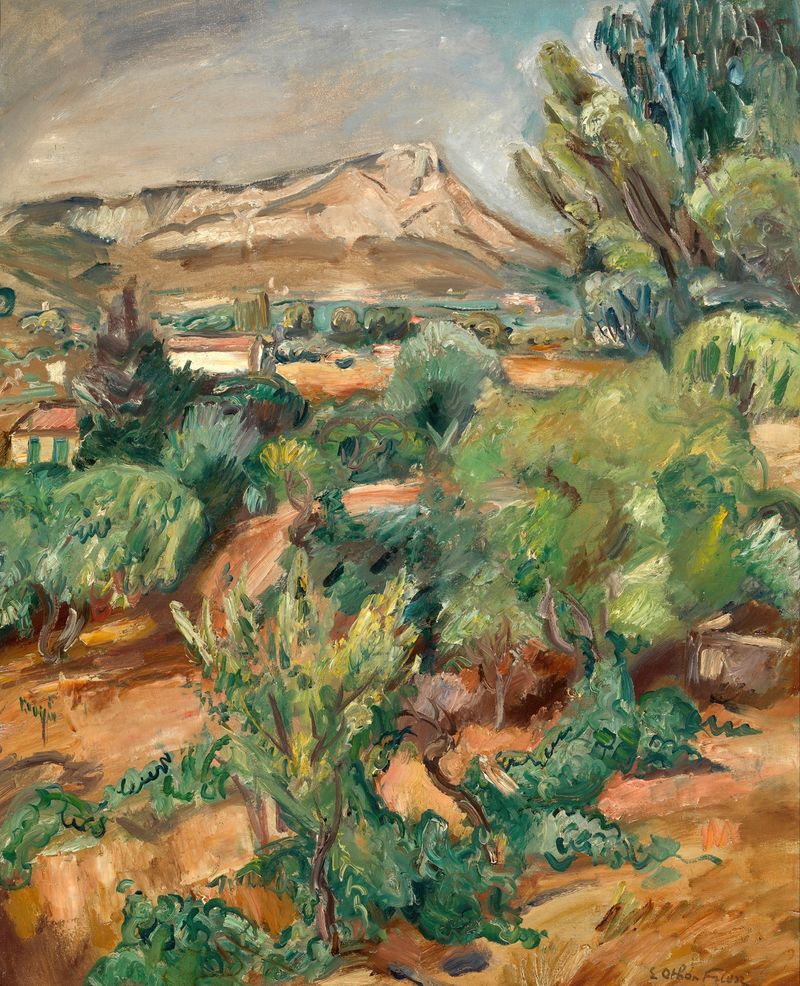
The Mountain Coudon Seen from Cap Brun
Emile Othon Friesz
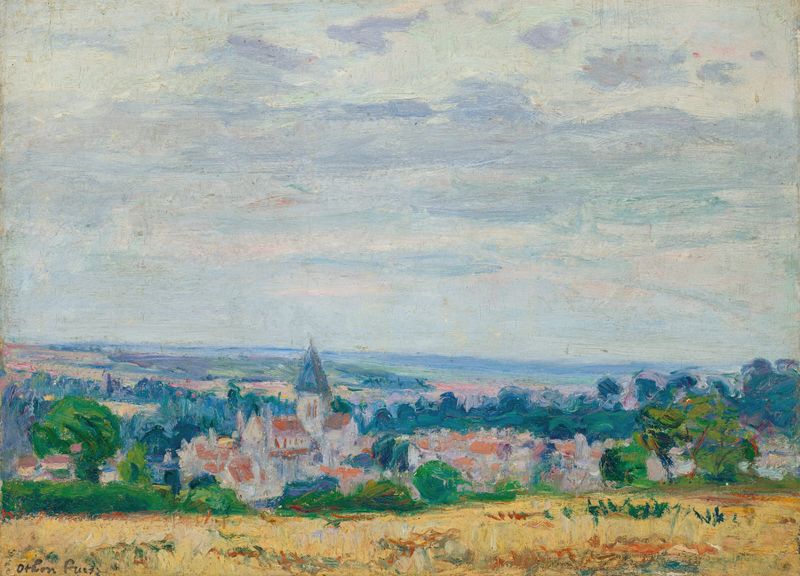
Falaise
Emile Othon Friesz
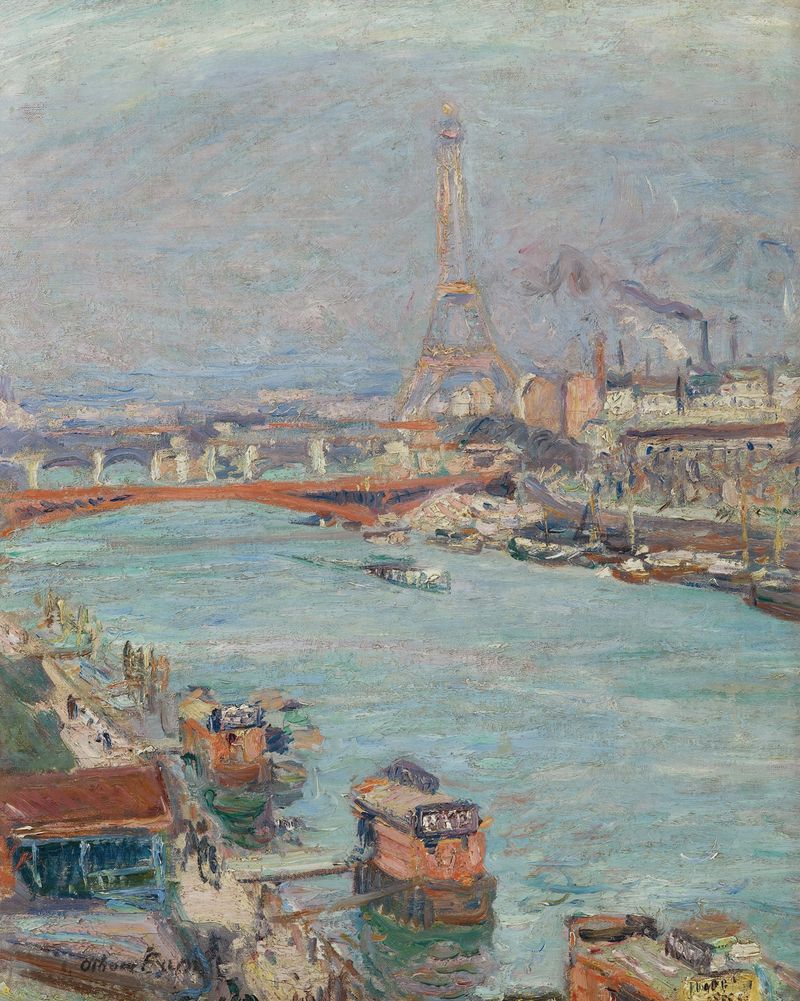
La Seine À Paris, La Tour Eiffel, Le Jour
Emile Othon Friesz
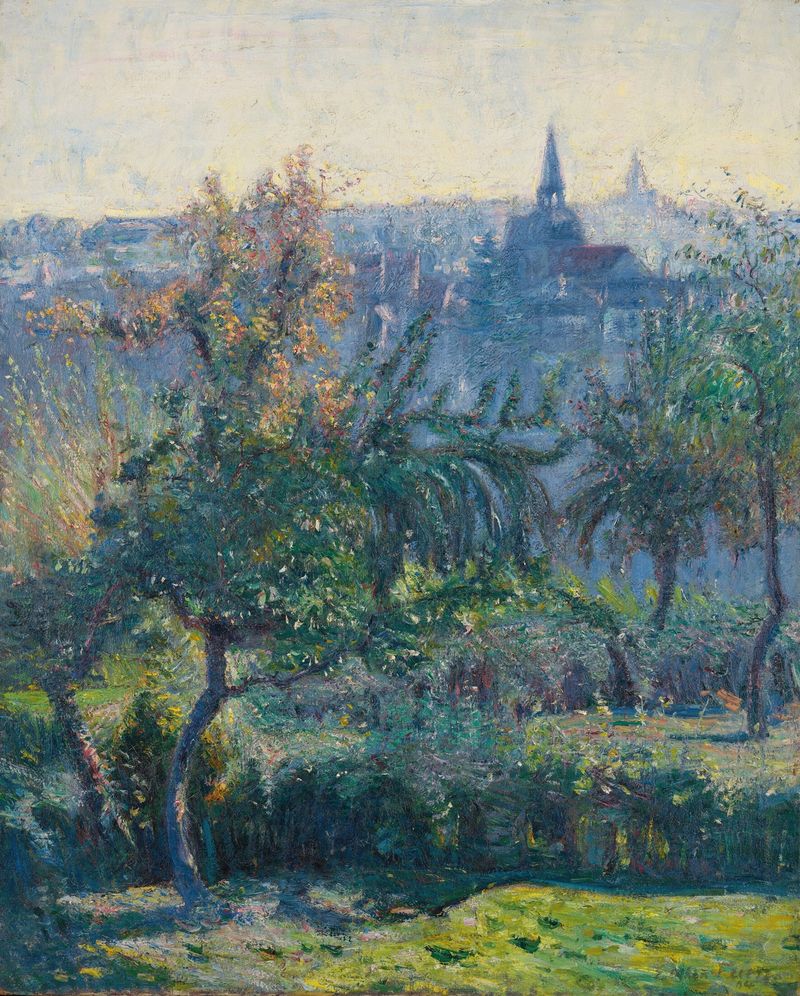
Falaise
Emile Othon Friesz





