
Man geeft over door drankzucht — History & Facts
Can paint confess what words never could? In Man geeft over door drankzucht, a haunting tableau captures the devastating grip of addiction, laying bare the decay of the human spirit through vivid imagery and stark symbolism. Look to the left at the weary figure slumped against the wall, his form a poignant representation of surrender. The muted earth tones evoke a sense of despair, while the flickering candlelight highlights the contours of his defeated posture. Notice how the darkness looms around him, engulfing the space, contrasting sharply with the small glimmer of light that seems to retreat from this man, symbolizing lost hope and the isolating nature of his struggle. Delve deeper into the intricacies of the composition, where everyday items—a fallen glass, scattered coins—speak volumes of the internal chaos.
Each brushstroke reveals the duality of his existence; the simplicity of his surroundings juxtaposed with the complexity of his turmoil. His vacant gaze, coupled with the subtle nuance of his bared hand, communicates an unspoken plea for salvation amidst the chains of addiction. It’s a moment frozen in time that invites reflection on the fragility of life and the darkness that often encroaches upon it. In 1537, Hans Sebald Beham painted this work during a turbulent period of personal and social upheaval in Europe.
Established in Nuremberg, he was part of the Northern Renaissance, where themes of moral decay and human vulnerability surged amid the backdrop of Reformation tensions. This artwork not only reflects his keen observation of human conditions but also resonates with a growing awareness of the darker aspects of society, signaling a shift in artistic narratives.
More Artworks by Hans Sebald Beham
Browse all →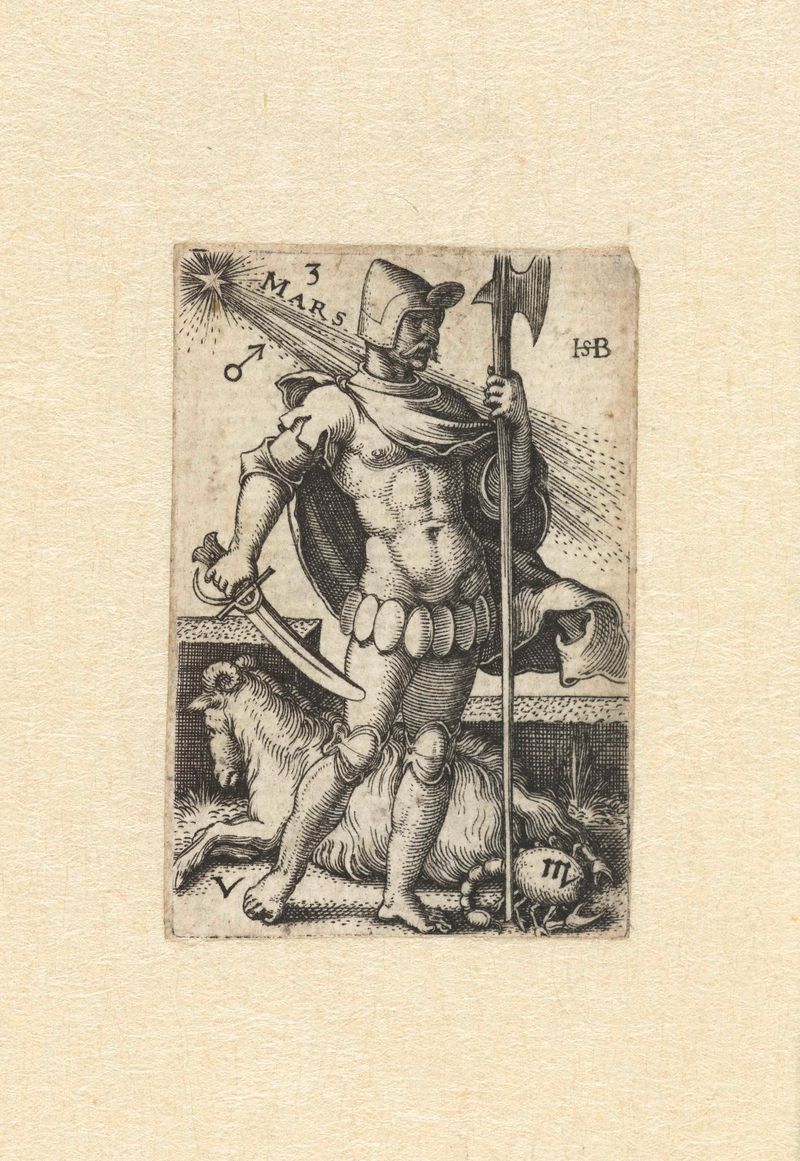
Mars met sterrenbeelden Ram en Schorpioen
Hans Sebald Beham

Achilles in gevecht met Hector
Hans Sebald Beham
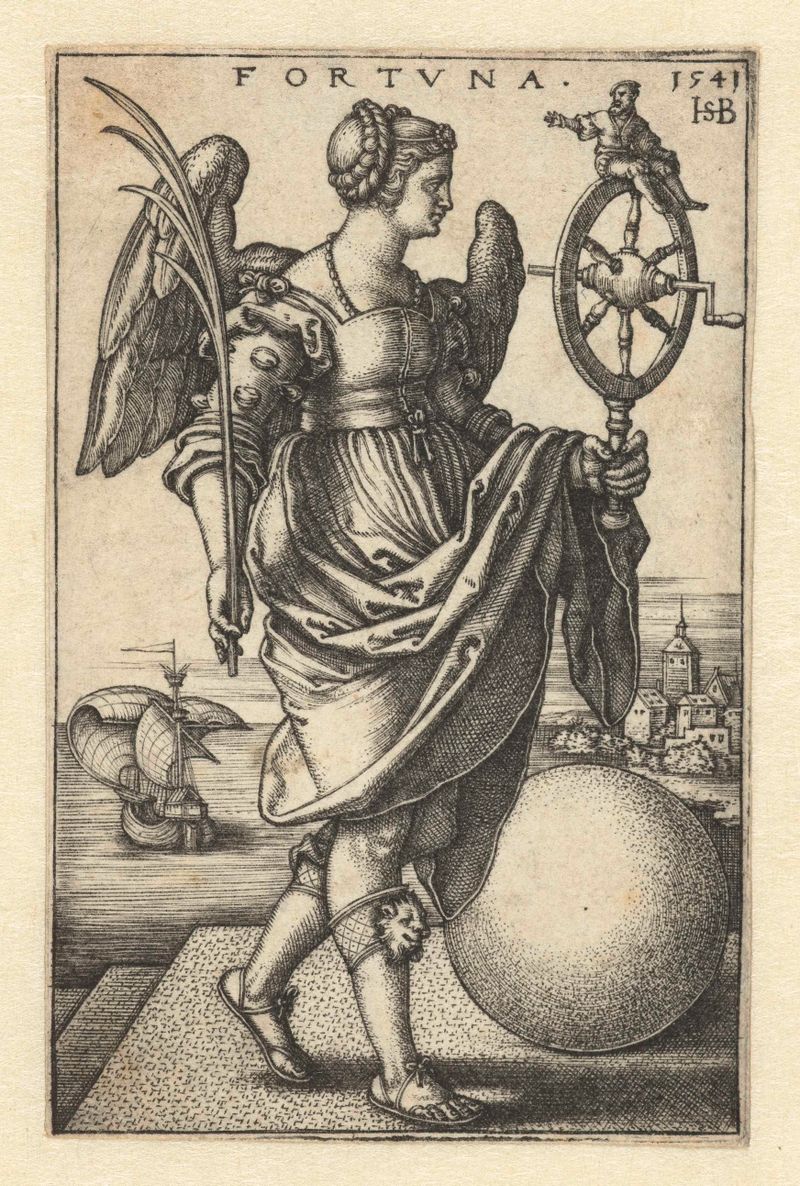
Fortuna
Hans Sebald Beham

Hercules worstelt met Antaeus
Hans Sebald Beham

Twee muzikanten met schalmey en doedelzak
Hans Sebald Beham

Voorzichtigheid (Prudentia)
Hans Sebald Beham

Hercules in gevecht met de Trojanen
Hans Sebald Beham
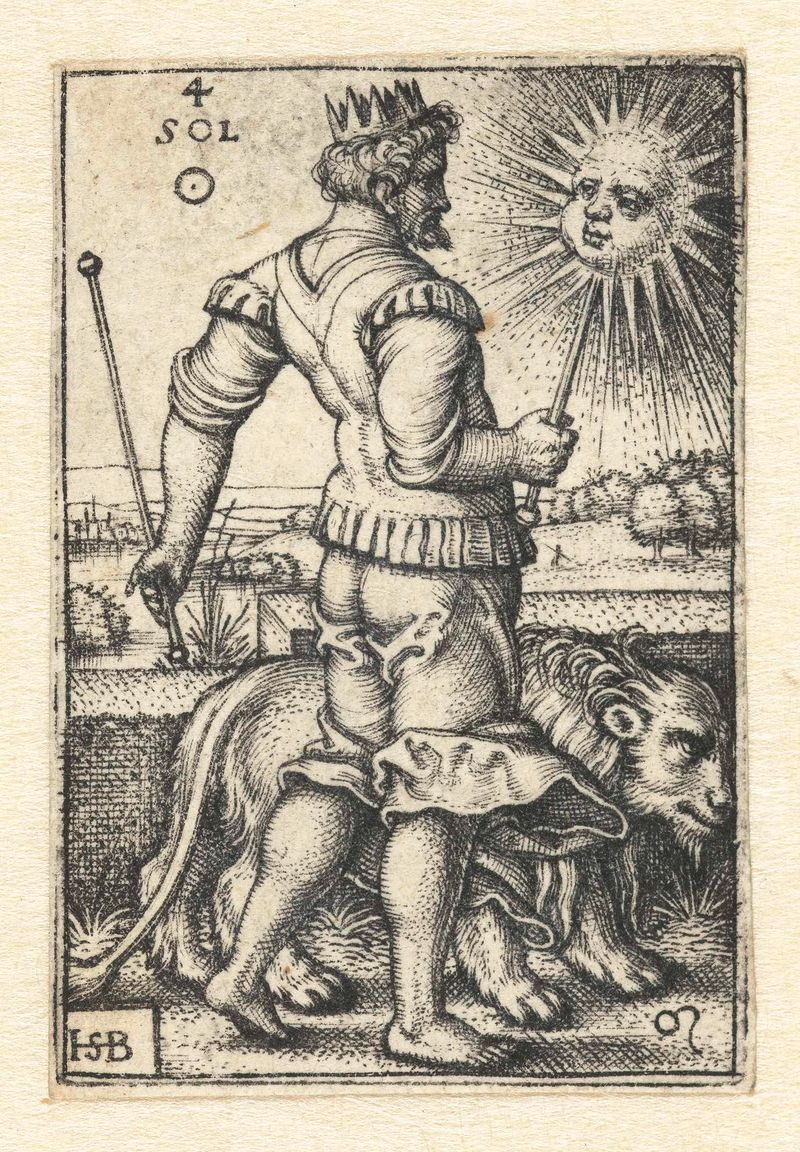
Apollo (Sol) met sterrenbeeld Leeuw
Hans Sebald Beham
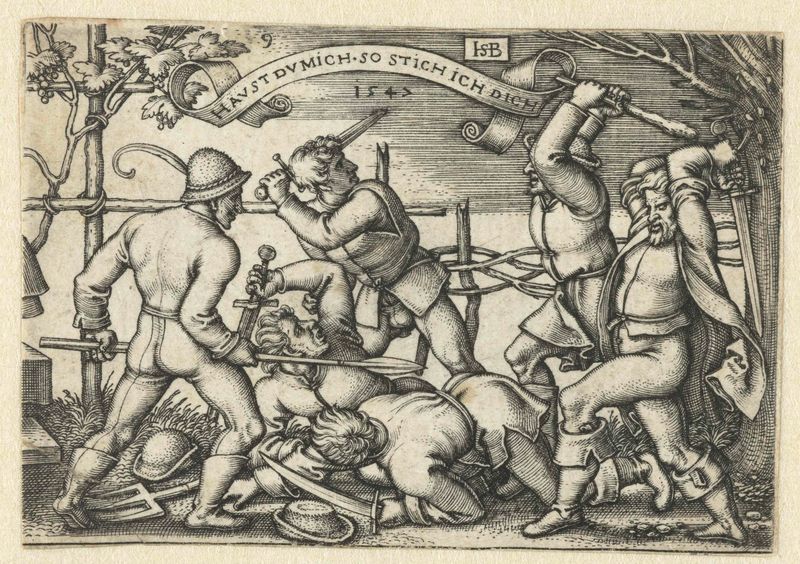
Vechtende boeren met zwaarden
Hans Sebald Beham
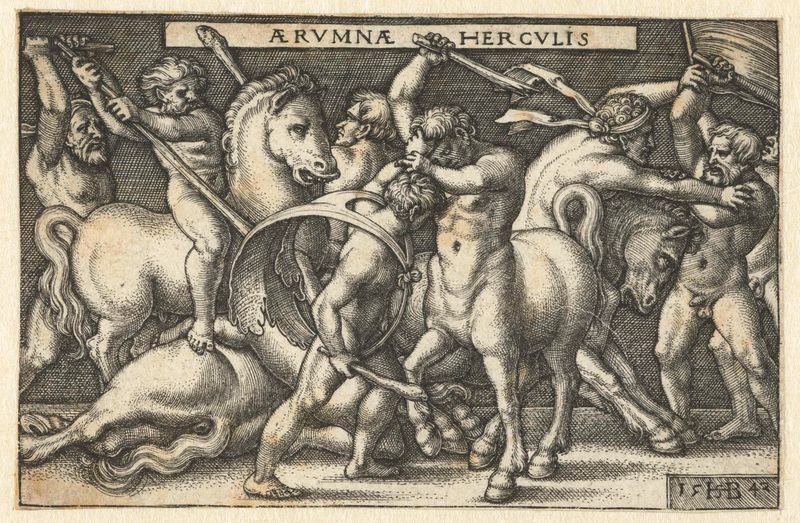
Hercules in gevecht met centaurs
Hans Sebald Beham





