
Man on Horseback and Other Figures — History & Facts
In the realm of transformation, each stroke reveals stories of shifting identities and ephemeral moments that echo through time. Look to the center where a solitary figure on horseback commands attention, embodying strength and resolve against a backdrop of muted landscapes. The artist employs deep ochres and greens, creating a sense of earthy solidity, while gentle brushstrokes add a sense of movement, capturing the essence of an uncertain journey. Notice how the surrounding figures, almost ghostly in their representation, blend into the landscape, suggesting a connection between man and nature — a journey shared across time. Among the hidden layers lies the tension between presence and absence.
The equestrian figure, with a determined gaze, juxtaposes the ethereal presence of the other figures, hinting at the fragility of existence. The soft transitions in color evoke a sense of nostalgia, suggesting that transformation is as much about loss as it is about growth. Each element, from the distant hills to the figures without distinct features, speaks to the universality of the human experience—searching for meaning amid the fluidity of life. William Anderson painted this work during a time when the boundaries of realism were being explored, yet the exact period remains uncertain.
Emerging from a context rich with artistic experimentation, he navigated through an era that questioned tradition and embraced change. Anderson's focus on transformation resonates with an audience grappling with the essence of identity, reflecting both personal and societal evolution.
More Artworks by William Anderson
Browse all →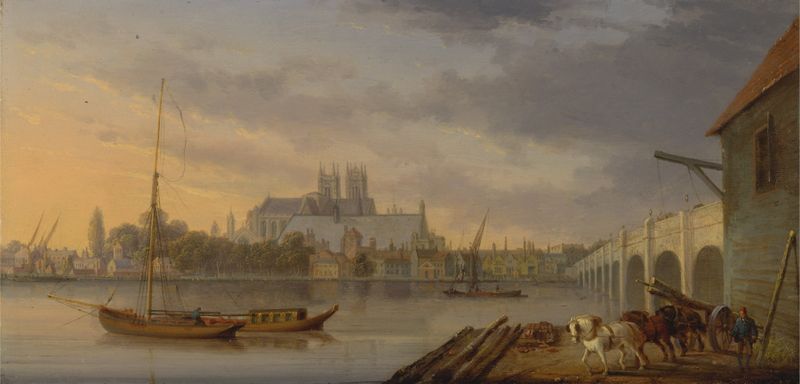
A View of Westminster Bridge and the Abbey from the South Side
William Anderson

London Bridge, with St. Paul’s Cathedral in the distance
William Anderson

Dutch Sailing Vessels
William Anderson

A Wherry Taking Passengers out to Two Anchored Packets
William Anderson
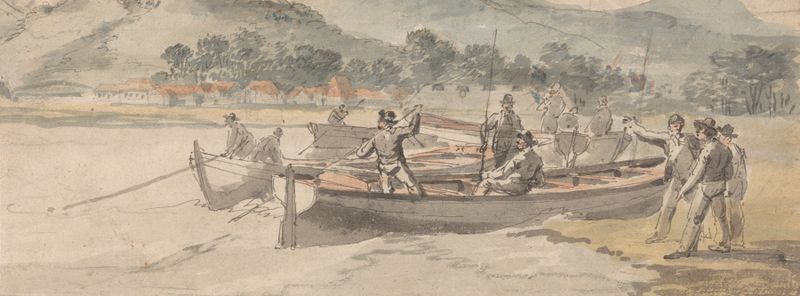
Boats and Men on Shore
William Anderson
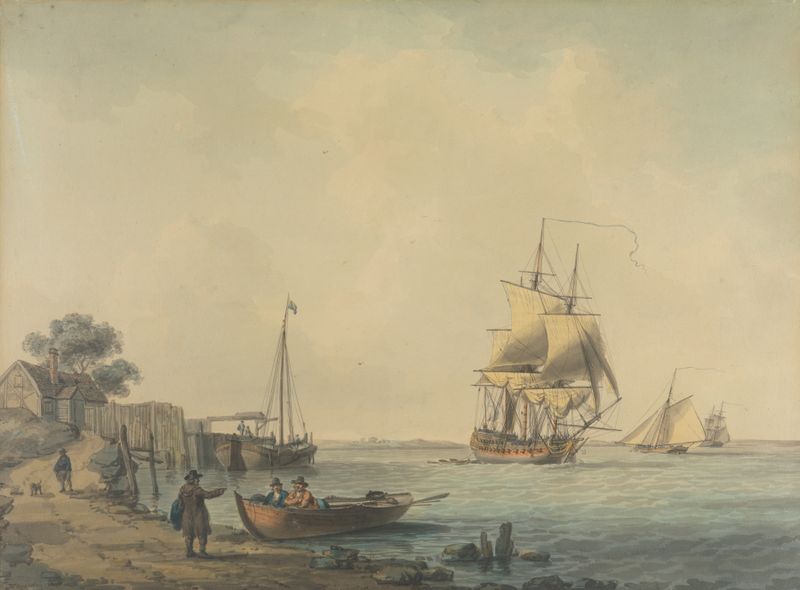
A Two-Decker Running up the Estuary with Figures on the Beach in the Foreground
William Anderson
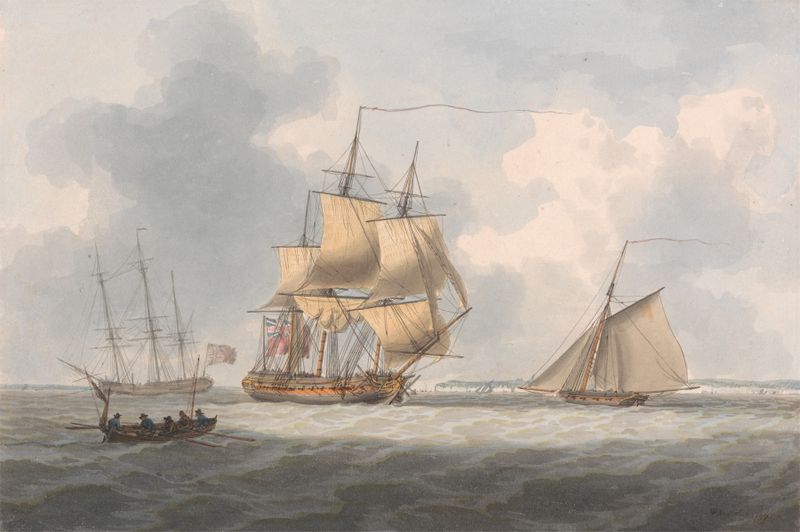
A Frigate Awaiting a Pilot
William Anderson
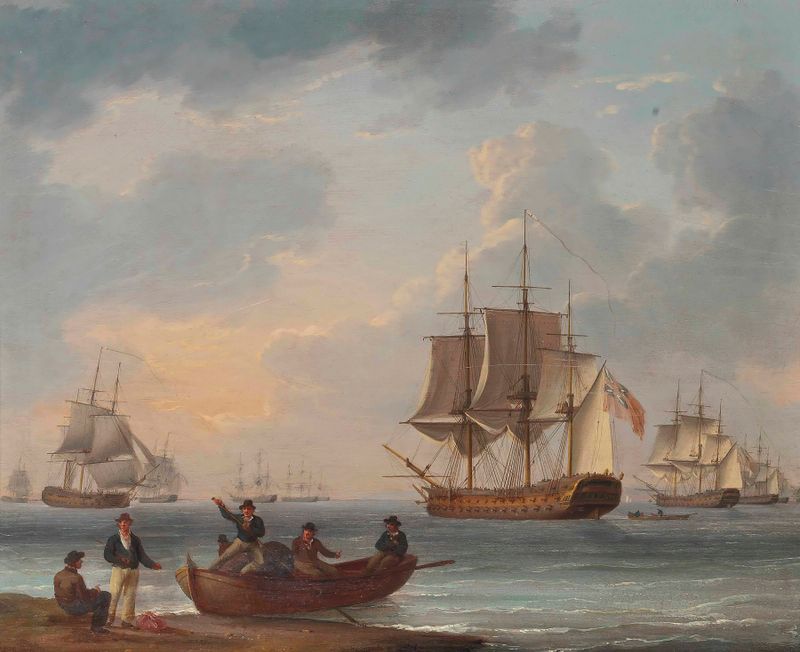
Sailors Pushing Off From Shore To Join The Fleet
William Anderson

Hussars Embarking at Deptford
William Anderson
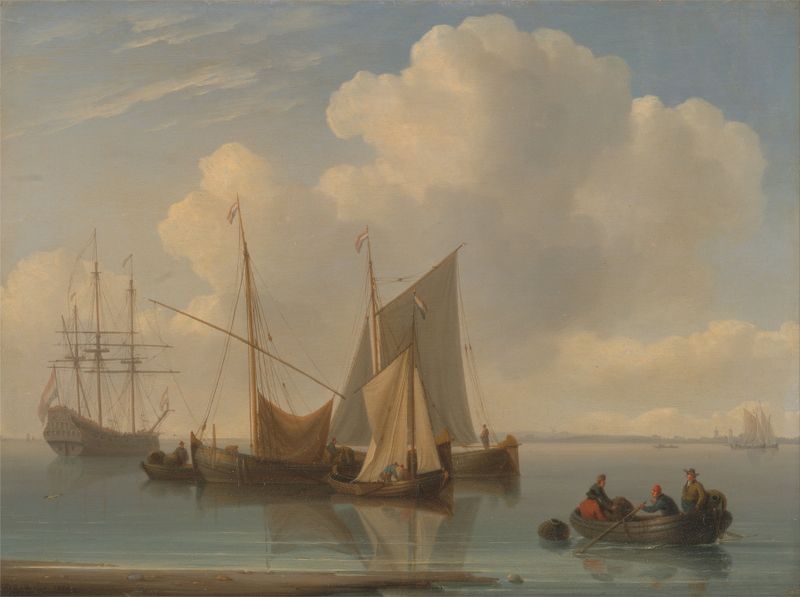
Sailing Vessels
William Anderson





