
September — History & Facts
This sentiment echoes through every brushstroke, capturing the essence of transformation and the fleeting nature of beauty. Look to the soft hues of early autumn, where the leaves begin their gradual descent into a patchwork of oranges and browns. Notice how the golden light filters through the trees, casting a gentle glow on the landscape, inviting the viewer’s gaze to wander across the canvas. The careful interplay of shadow and light reveals a world poised between the vibrancy of summer and the somber rest of winter, evoking a sense of nostalgia. Yet, beneath this serene surface, there lies a deeper tension: the simultaneous embrace and relinquishment of life’s cycles.
The landscape is alive, yet whispering of its inevitable stillness. Look closely at the details—the way the wind bends the grass, the languid movement of a river reflecting a sky caught in transition. Each element plays a role in a narrative of change, urging us to reflect on our own moments of transformation. Hendrik Meijer painted this work in 1772 against a backdrop of shifting artistic ideologies.
Living in the Netherlands during an era that favored realism, he sought to encapsulate the tranquility of nature while engaging with the broader romantic themes of time and memory. The art world was evolving, and Meijer's delicate portrayal of seasonal change resonates with the yearning for connection to nature prevalent in his contemporaries.
More Artworks by Hendrik Meijer
Browse all →
Watermolen en dorpskerk
Hendrik Meijer
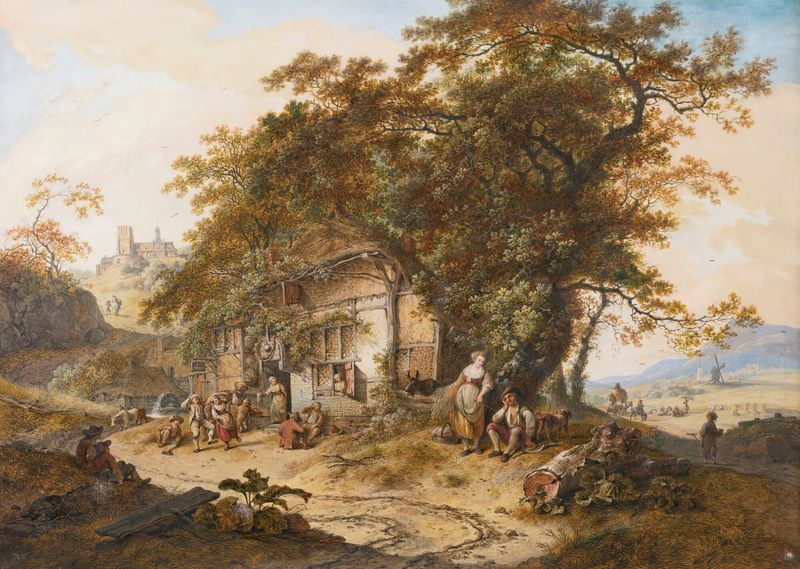
Extensive Landscape With Peasants Resting Before A Tavern, Others Harvesting In The Distance, And A Church On A Hill Behind
Hendrik Meijer
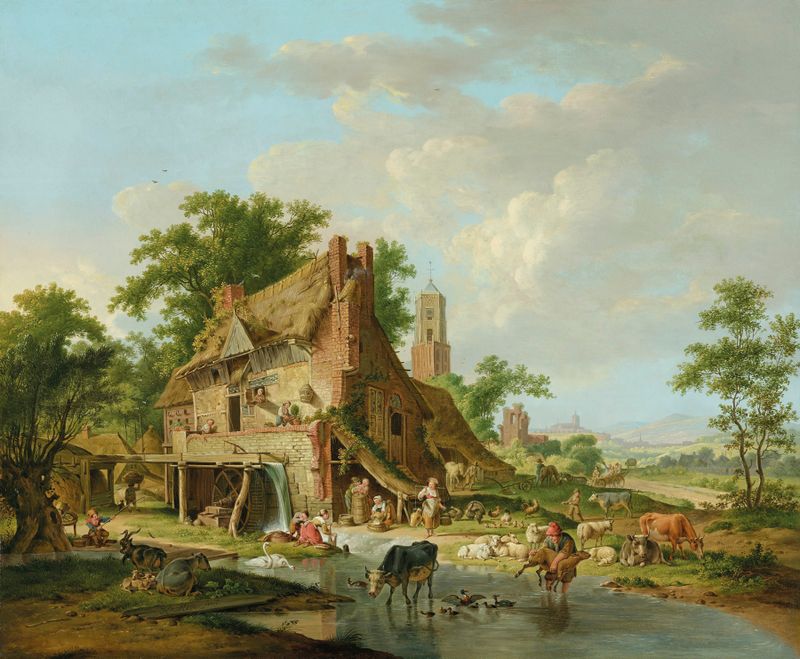
A watermill with farmyard animals and peasants, a landscape beyond
Hendrik Meijer
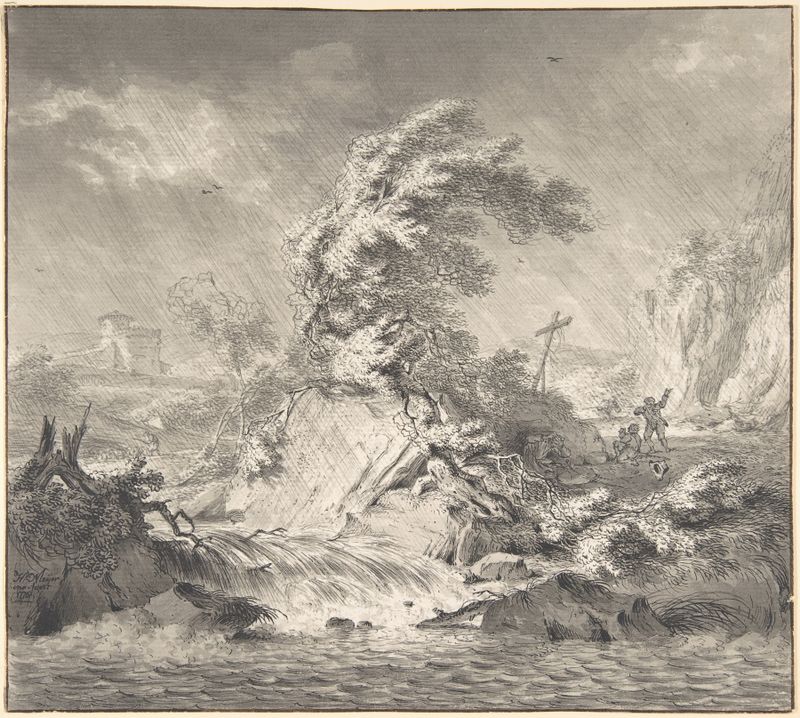
Stormy Landscape
Hendrik Meijer

The Twelve Months
Hendrik Meijer
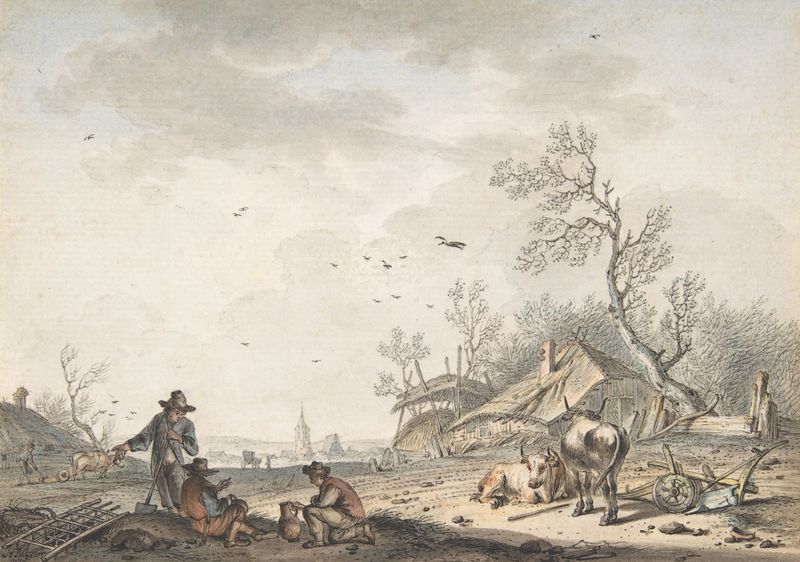
March
Hendrik Meijer
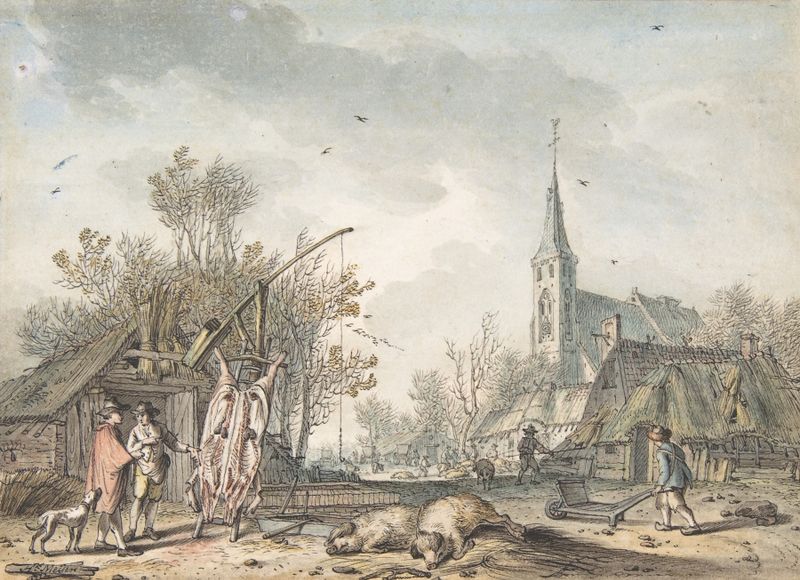
November
Hendrik Meijer

December
Hendrik Meijer
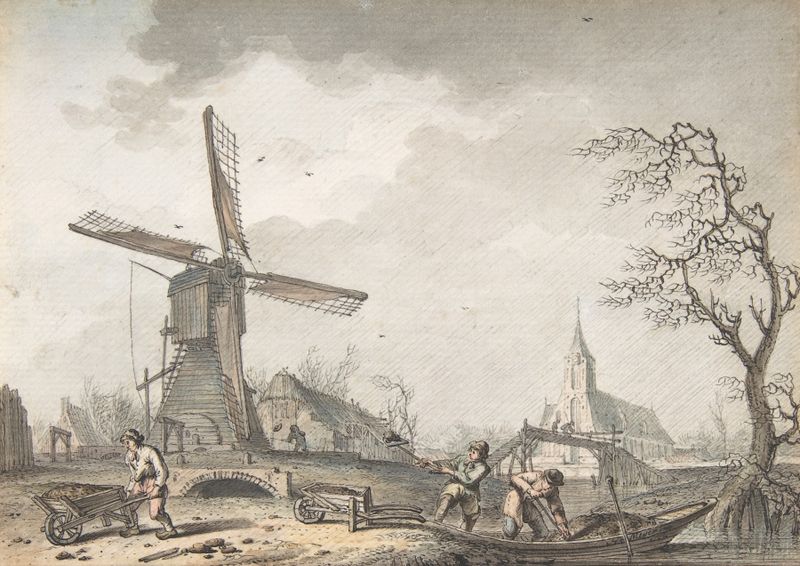
February
Hendrik Meijer
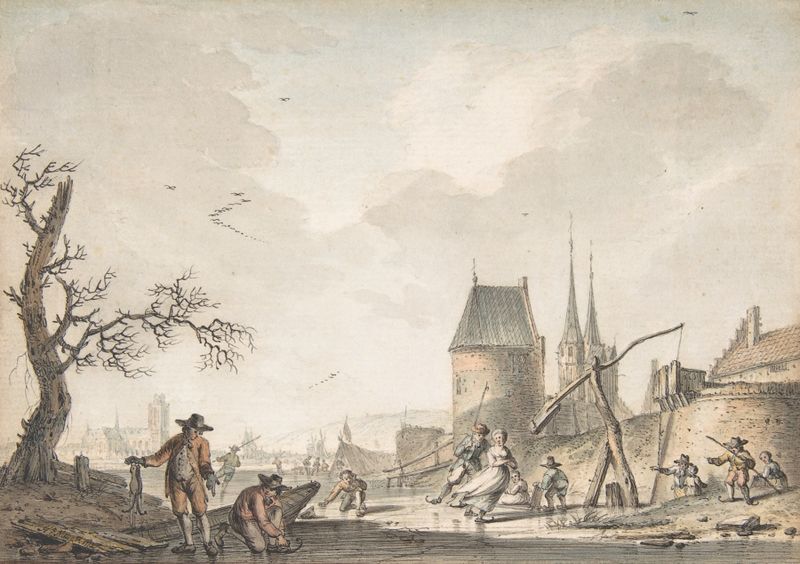
January
Hendrik Meijer





