
Maria met kind en papegaai en peer — History & Facts
Where does light end, and longing begin? In a world brushed with vibrant color, the interplay of shadow and illumination invites a deeper exploration of desire and connection. Focus on the tender interaction between the child and the parrot, nestled in the foreground. Notice how light cascades across the child’s innocent gaze, illuminating both the joy of discovery and an unspoken yearning. The surrounding fruits—particularly the ripe pear—are painted with meticulous detail, each hue reflecting the vibrancy of life while hinting at the fleeting nature of childhood’s innocence. As the viewer's eye wanders, it becomes clear that the parrot, a symbol of communication and freedom, contrasts sharply with the whisper of autumnal tones that envelop the scene.
The lush greens and golden yellows evoke an atmosphere of warmth, yet there’s a subtle tension between the vivid life depicted and the inevitable passage of time. The juxtaposition of the child’s playful spirit against the static presence of the still-life elements invites contemplation of longing—both for the transient joys of youth and for connections that resonate beyond words. In 1549, amidst the evolving humanist movement in Northern Europe, the artist created this work during a period of significant change in art and culture. Beham was part of a circle that embraced both realism and intricate detail, reflecting a broader shift toward individual expression and the exploration of human emotions.
This painting encapsulates his ability to weave profound sentiment into everyday moments, marking a pivotal time in his artistic development.
More Artworks by Hans Sebald Beham
Browse all →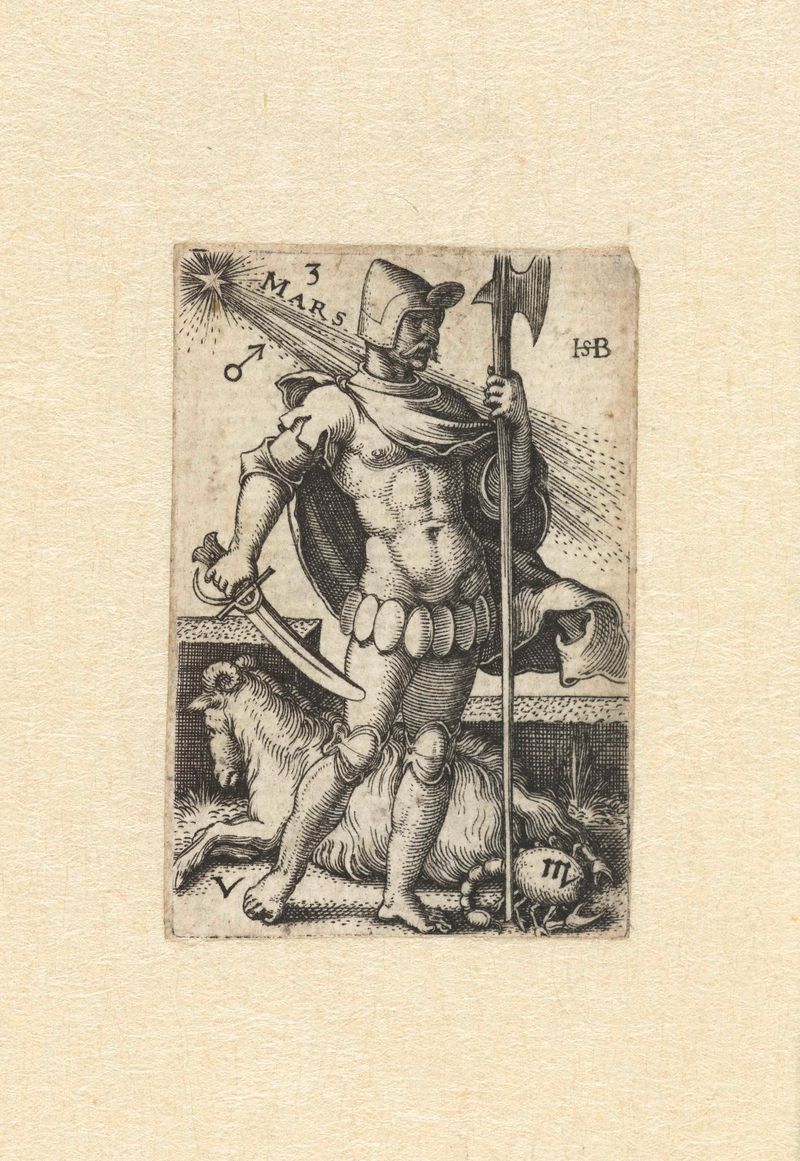
Mars met sterrenbeelden Ram en Schorpioen
Hans Sebald Beham

Achilles in gevecht met Hector
Hans Sebald Beham
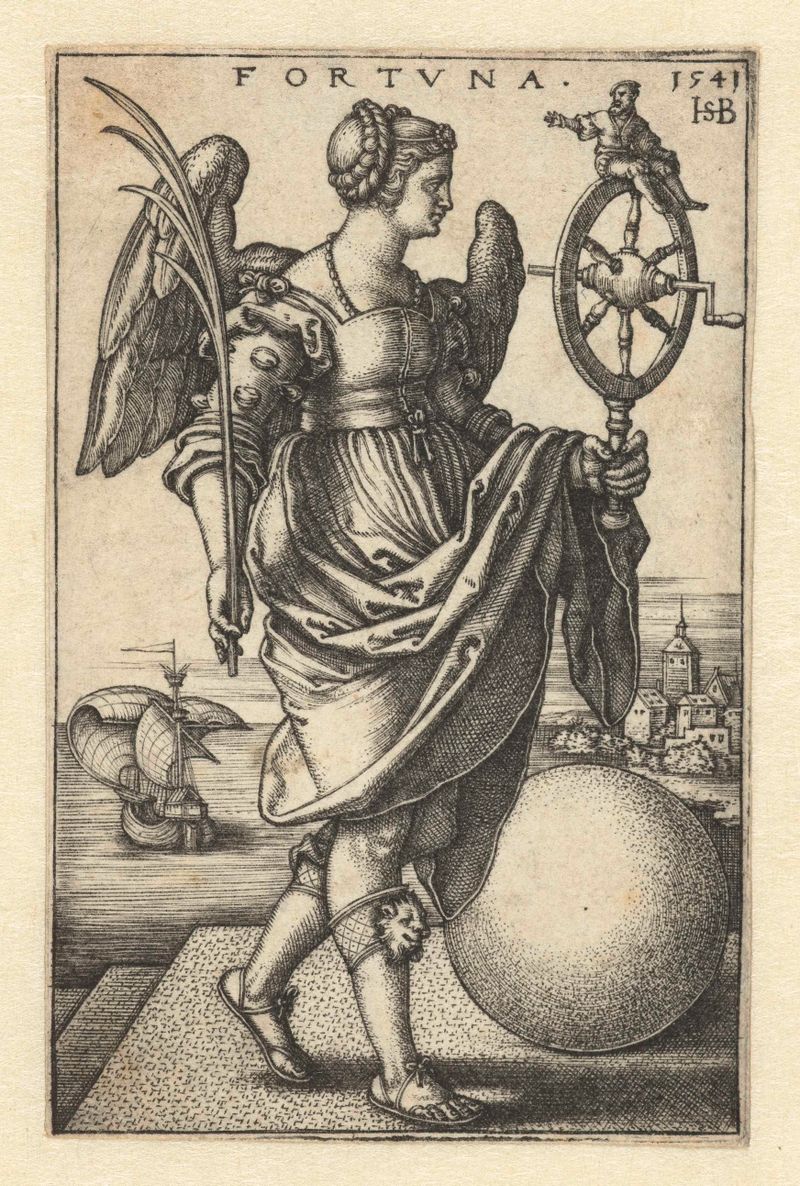
Fortuna
Hans Sebald Beham

Hercules worstelt met Antaeus
Hans Sebald Beham

Twee muzikanten met schalmey en doedelzak
Hans Sebald Beham

Voorzichtigheid (Prudentia)
Hans Sebald Beham

Hercules in gevecht met de Trojanen
Hans Sebald Beham
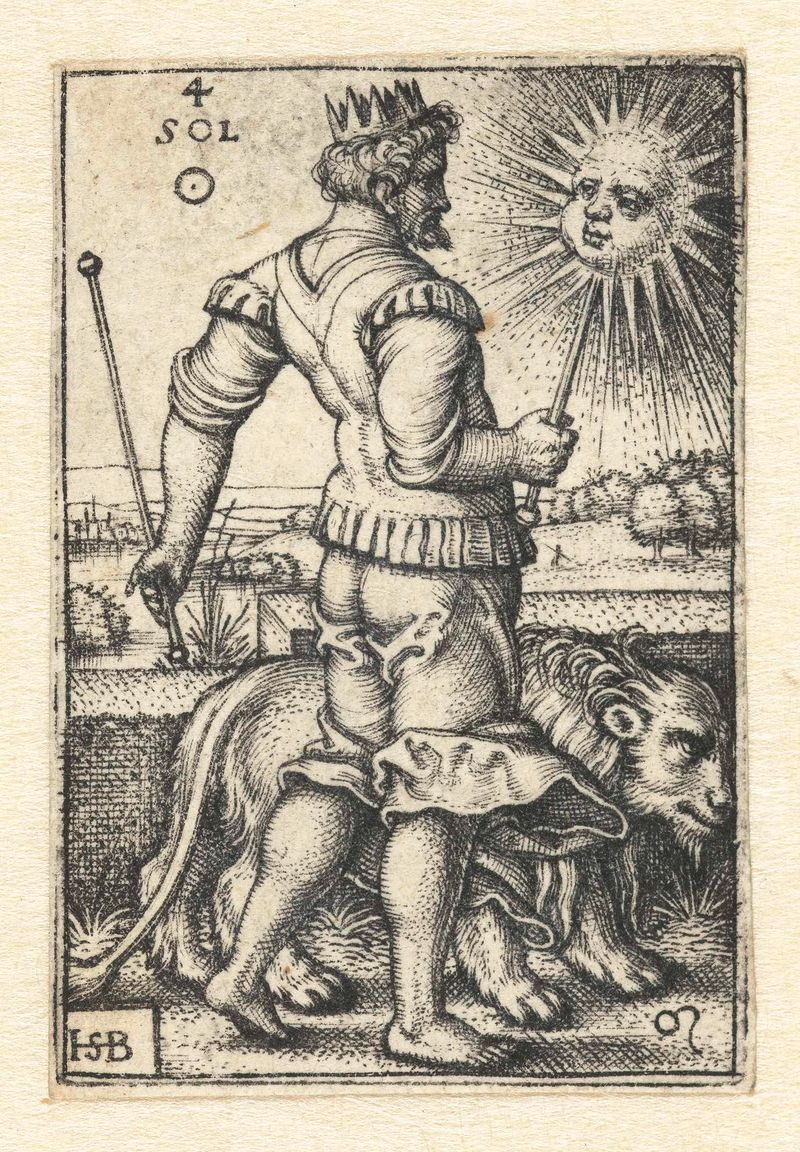
Apollo (Sol) met sterrenbeeld Leeuw
Hans Sebald Beham
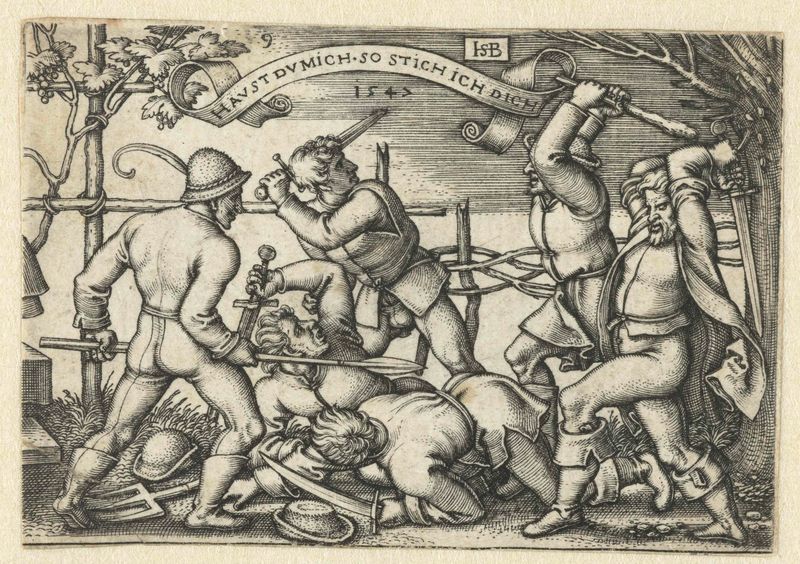
Vechtende boeren met zwaarden
Hans Sebald Beham
Hercules in gevecht met centaurs
Hans Sebald Beham





