
Mariko — History & Facts
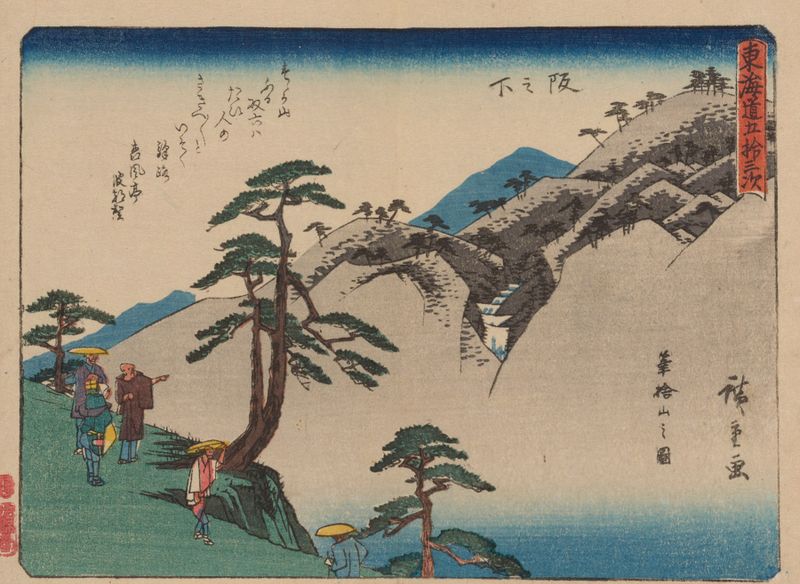
Did the painter know this moment would outlive them? In Mariko, the artist captures a fleeting instant, an echo of memory that resonates through time, reminding us of the delicate nature of existence. Look to the right at the elegantly draped kimono of the woman, adorned with intricate patterns that pull you into the scene. The soft strokes of the brush breathe life into her figure, while a gentle breeze seems to ripple through the fabric, suggesting movement. Notice how the light falls upon the landscape, illuminating the lush greenery and distant mountains, creating a harmonious contrast between the vibrant colors of nature and the subdued tones of human presence. The juxtaposition of human fragility against the backdrop of timelessness reveals deeper emotional layers.
The serene expression on her face hints at introspection, inviting viewers to ponder the transient nature of beauty and memory. The flowing river that cuts through the composition symbolizes the passage of time, while the delicate cherry blossoms overhead suggest both renewal and the ephemeral quality of life. Utagawa Hiroshige created Mariko in 1855, during a period when ukiyo-e was at its peak in Edo, Japan. He sought to capture landscapes and moments from everyday life, reflecting the cultural changes and the appreciation for nature that characterized the era.
Hiroshige's work stands as a timeless testament to the Japanese aesthetic, intertwining memory and beauty within each stroke.
More Artworks by Utagawa Hiroshige
Browse all →
Sudden Shower over Shin Ohashi Bridge and Atake (Ohashi Atake no yudachi), from the series "One Hundred Famous Views of Edo (Meisho Edo hyakkei)"
Utagawa Hiroshige
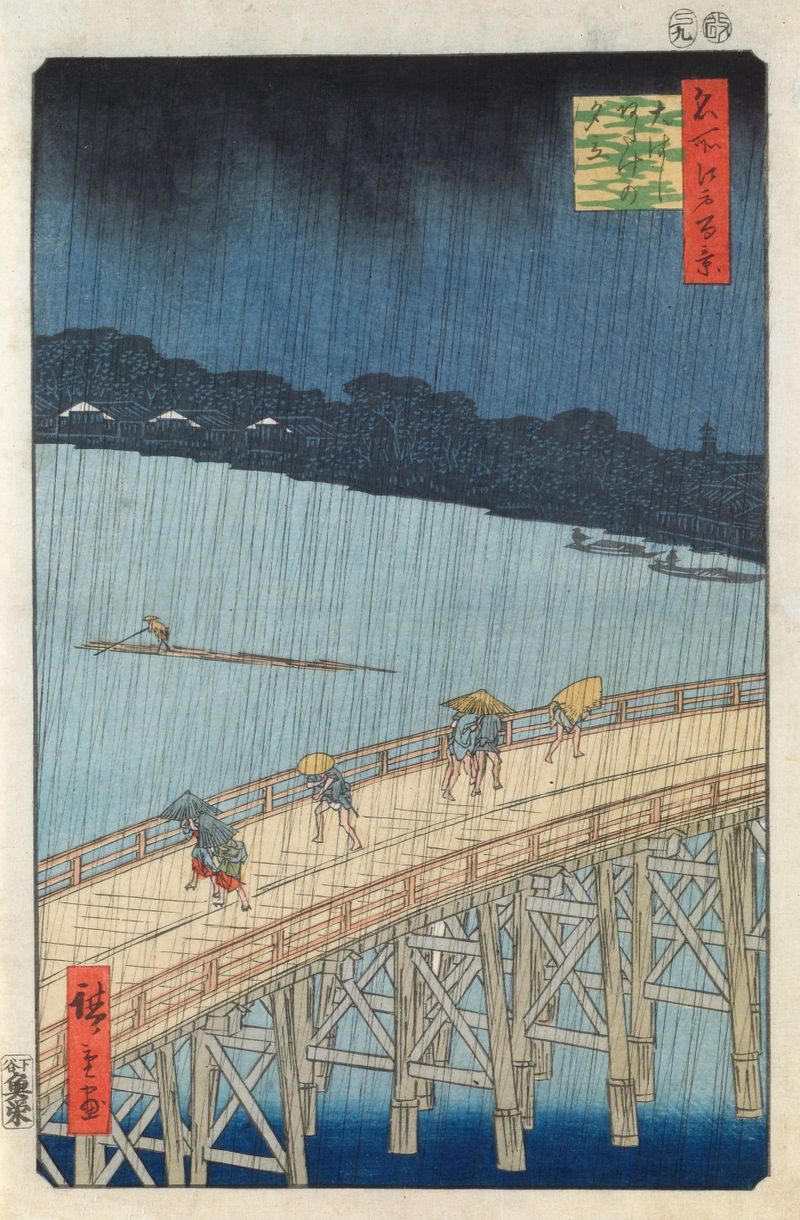
Sudden Shower Over Ohashi Bridge and Atake
Utagawa Hiroshige
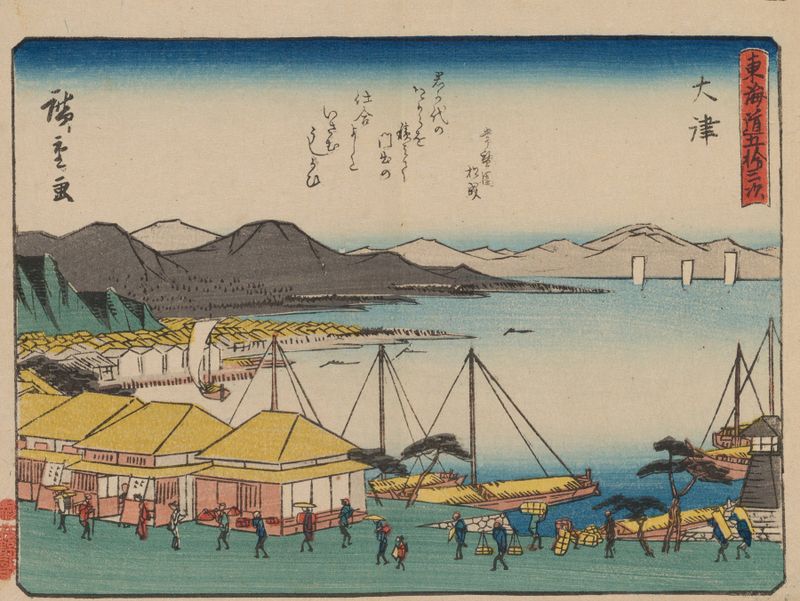
Tokaido gojusantsugi, Pl.54
Utagawa Hiroshige
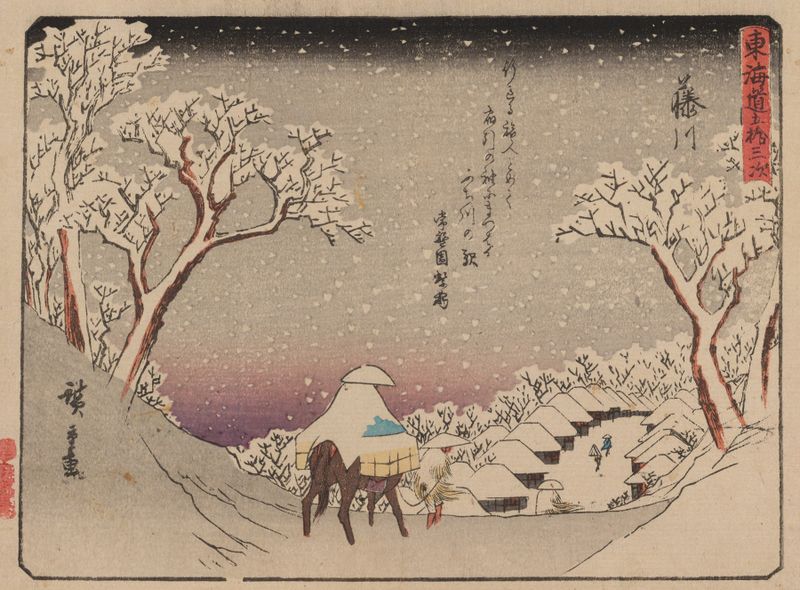
Tokaido gojusantsugi, Pl.38
Utagawa Hiroshige
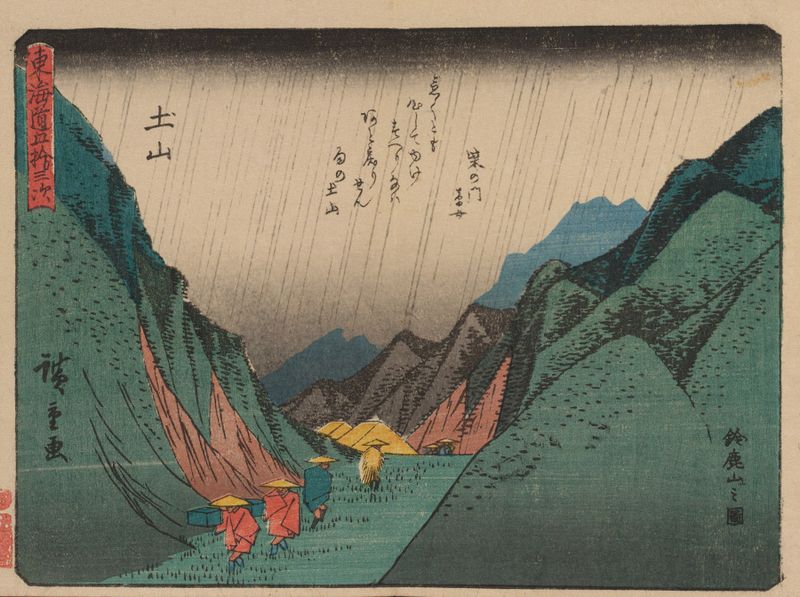
Tokaido gojusantsugi, Pl.50
Utagawa Hiroshige
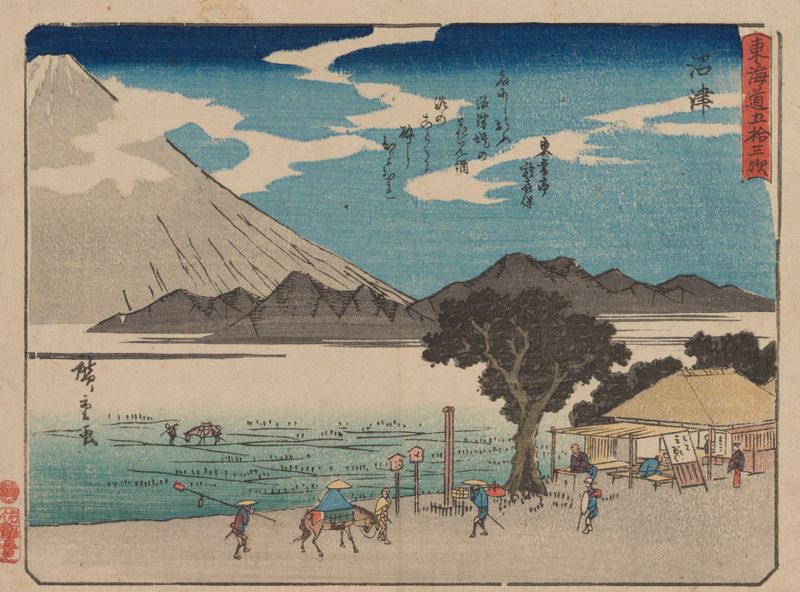
Tokaido gojusantsugi, Pl.13
Utagawa Hiroshige
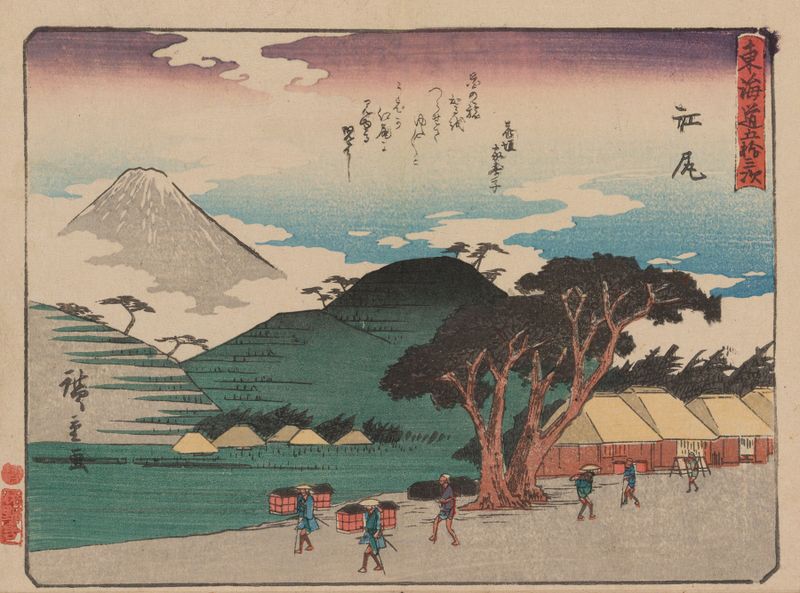
Tokaido gojusantsugi, Pl.19
Utagawa Hiroshige
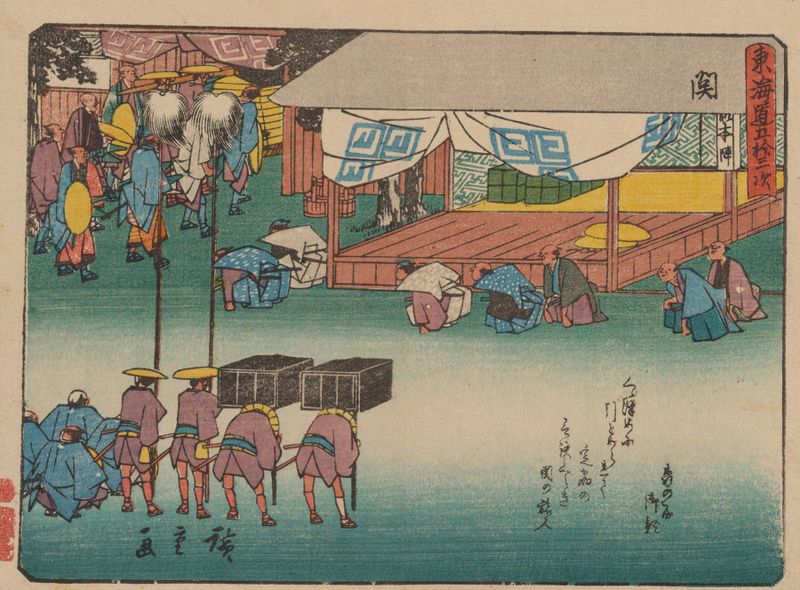
Tokaido gojusantsugi, Pl.48
Utagawa Hiroshige
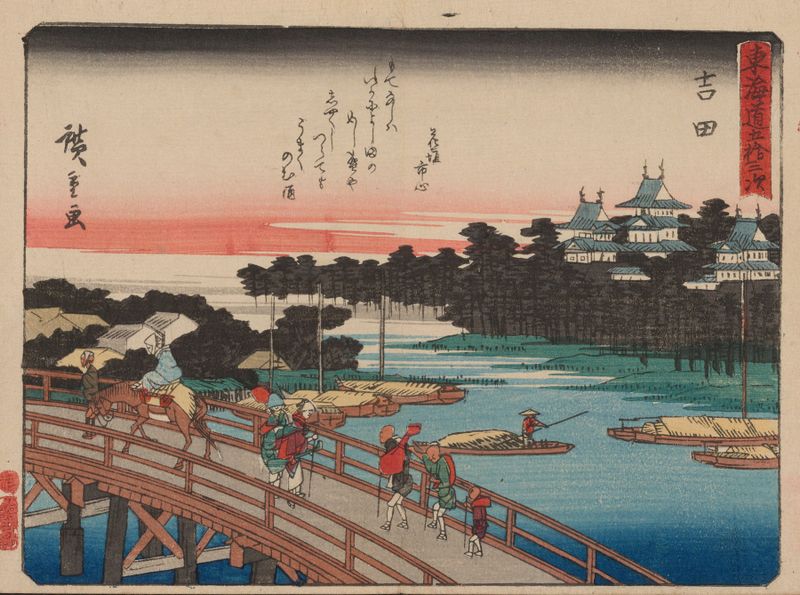
Tokaido gojusantsugi, Pl.35
Utagawa Hiroshige
Tokaido gojusantsugi, Pl.49
Utagawa Hiroshige





