Marlow Ferry — History & Facts
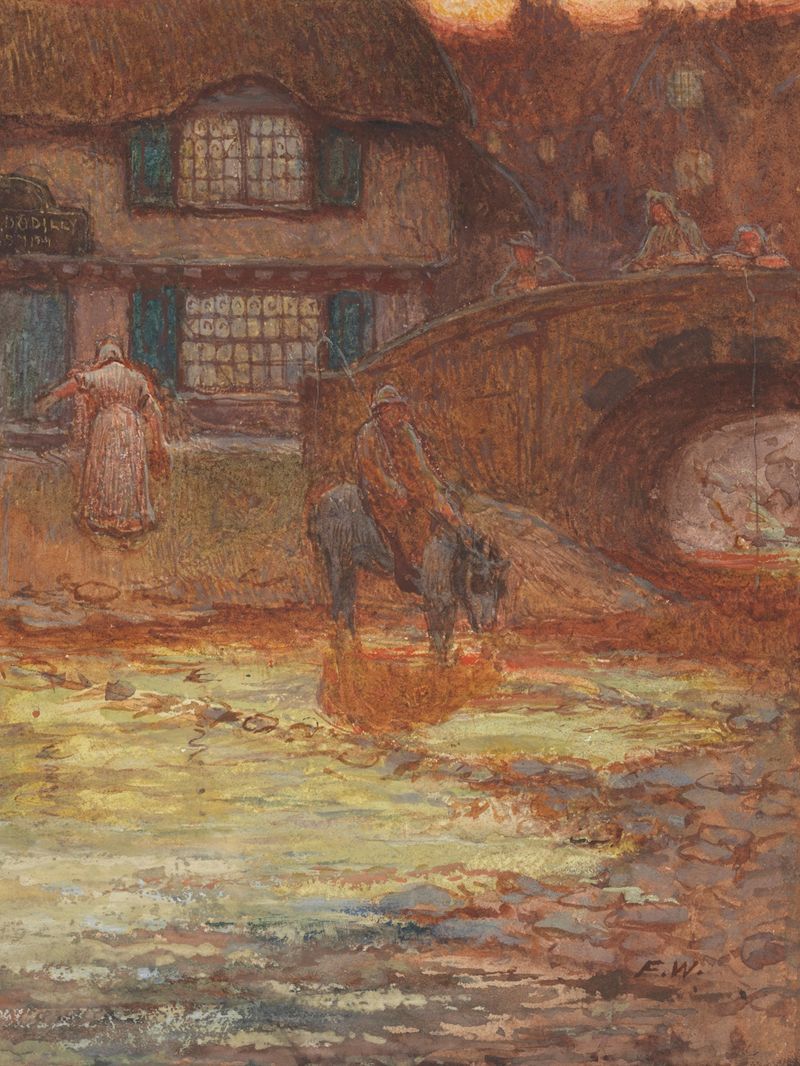
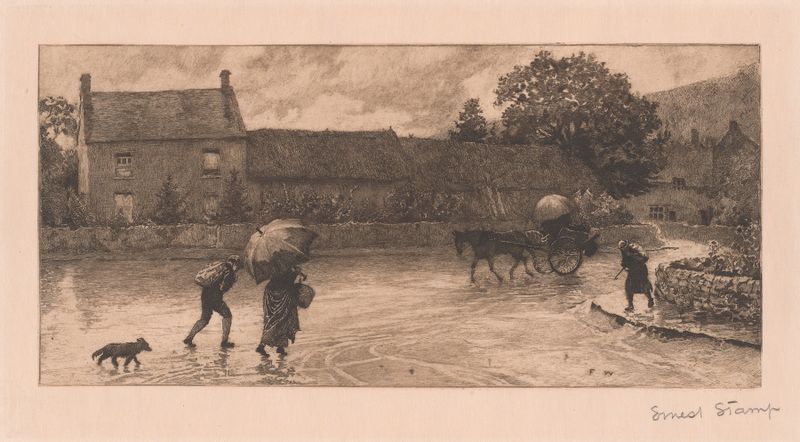
In the stillness of Marlow Ferry, an unspoken ecstasy lingers beneath the surface, waiting to be unraveled. The moment captured transcends mere representation, inviting the viewer into the profound depths of human experience interwoven with nature. Look to the left at the gentle curve of the river, where the water shimmers like liquid glass under a soft, golden light. The figures stand poised on the ferry, encapsulated in an embrace of tranquility and anticipation.
The warm hues of earthy greens and browns cradle the scene, contrasted by the cool, serene blue of the water, creating an atmosphere that feels both intimate and expansive. Walker's brushstrokes are fluid, capturing the essence of movement yet embracing the stillness of the moment. Within the tranquil imagery lies an exploration of contrasts. The serene landscape serves as a backdrop to the deeper emotions of the figures; their expressions reveal a quiet joy, a tension between the mundane and the sublime.
The simplicity of the scene belies the complexity of human connection, where the weight of silence speaks volumes. Each detail — the gentle sway of the ferry, the rippling reflections in the water, and even the distant trees — contribute to an underlying sense of anticipation, a silent longing for what lies beyond the horizon. In 1880, Frederick Walker painted this evocative piece during a period when the Pre-Raphaelite movement was waning, yet still influencing artists with its focus on nature and emotional depth. Living in England, Walker was deeply engaged in capturing the beauty of everyday life, and Marlow Ferry reflects his commitment to portraying the human experience with sensitivity and grace, encapsulating a fleeting moment that resonates with timeless significance.