
Marmite de cuivre, choux-fleurs et égrugeoir avec son pilon sur un entablement — History & Facts
In Marmite de cuivre, choux-fleurs et égrugeoir avec son pilon sur un entablement, we see a carefully arranged still life. The painting features a shiny copper pot, vibrant cauliflowers, and a mortar and pestle. The colors are warm and earthy, with rich browns and greens dominating the palette.
The setting is simple yet elegant, emphasizing the beauty of everyday objects. The painting is executed in oil on canvas, showcasing Chardin's skill in rendering textures and light. The copper pot reflects light beautifully, while the cauliflowers have a soft, almost velvety appearance. The composition is balanced, with the objects arranged harmoniously on a table.
Viewers can appreciate the meticulous attention to detail in the brushwork. Jean Siméon Chardin was a prominent French painter known for his still lifes and genre scenes. This work, created around the 1760s, reflects the Rococo style with its focus on domestic tranquility and the beauty of ordinary life. An interesting fact about this painting is how it captures the essence of 18th-century French culture, where still life became a popular genre.
Chardin's ability to elevate simple objects to a level of beauty is what makes this piece notable.
More Artworks by Jean Siméon Chardin

The Ray
Jean Siméon Chardin
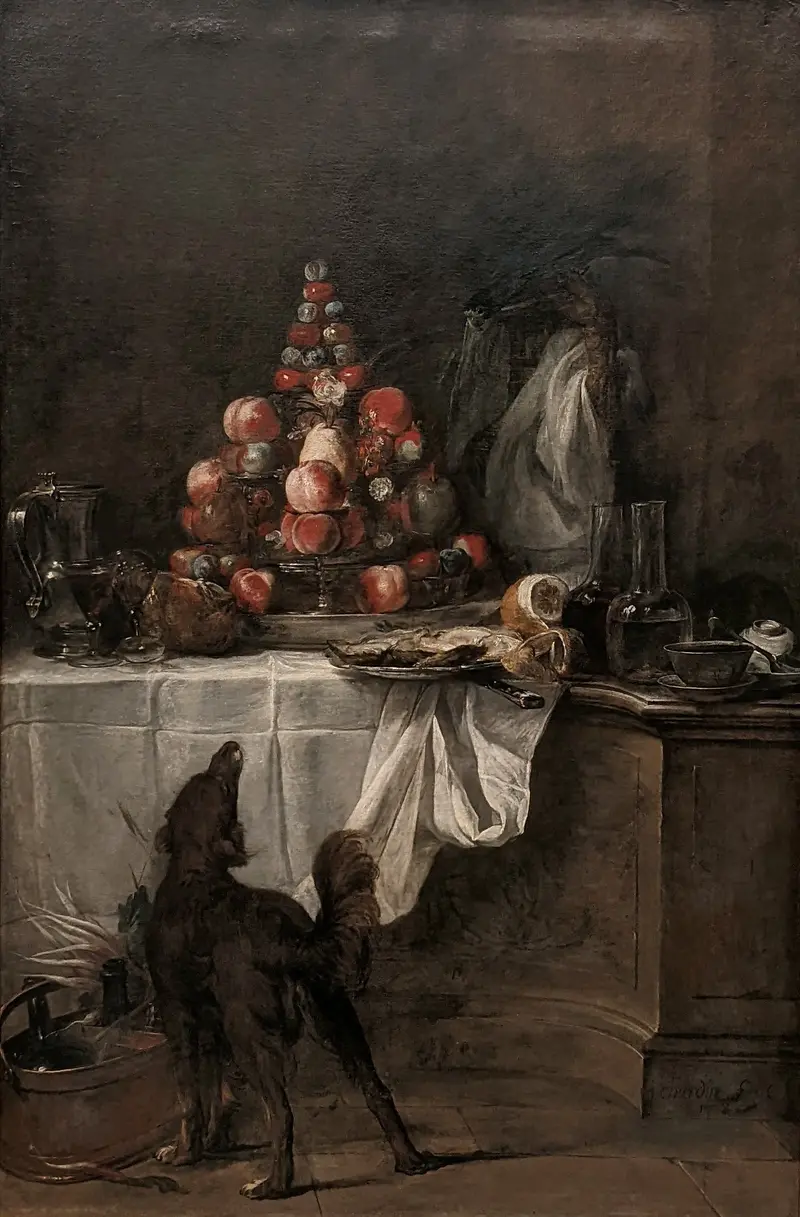
The Buffet
Jean Siméon Chardin

The White Tablecloth
Jean Siméon Chardin
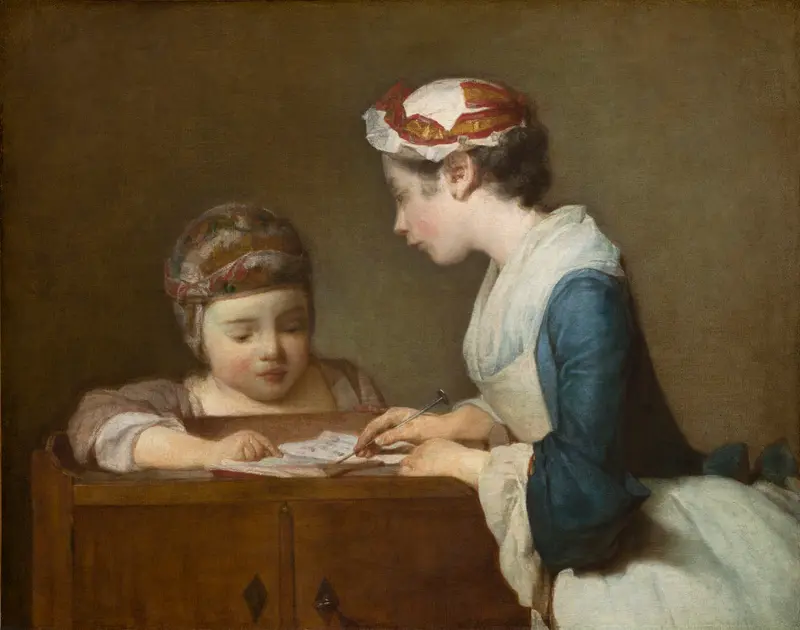
The Little Schoolmistress
Jean Siméon Chardin
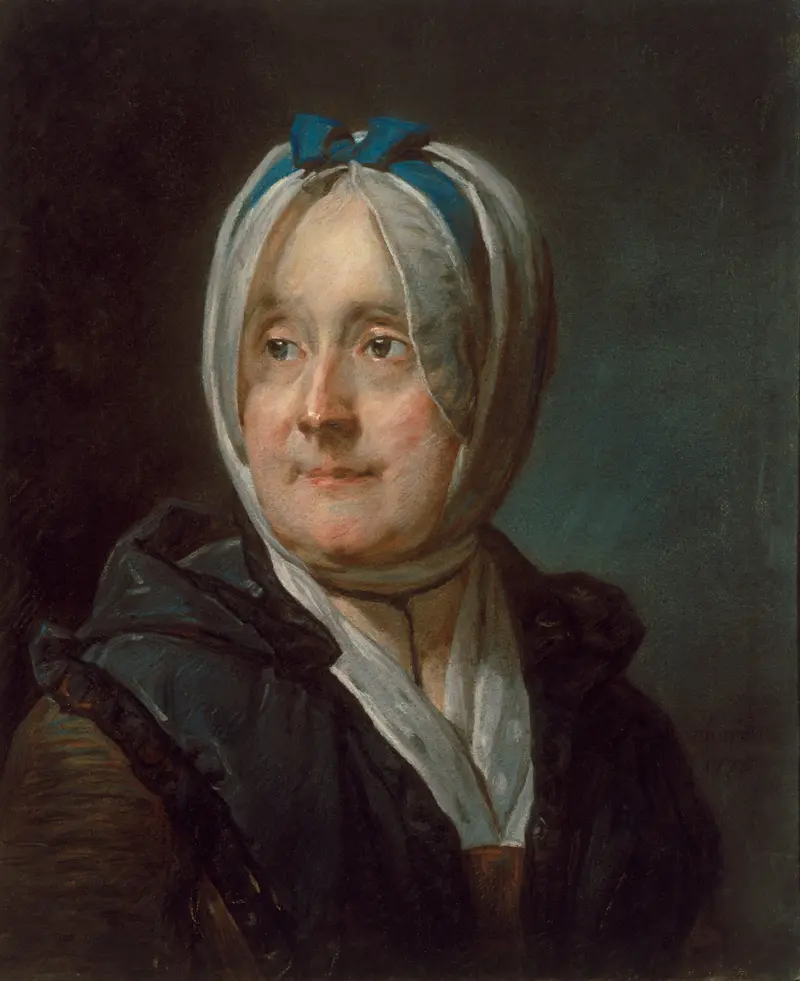
Portrait of Madame Chardin
Jean Siméon Chardin
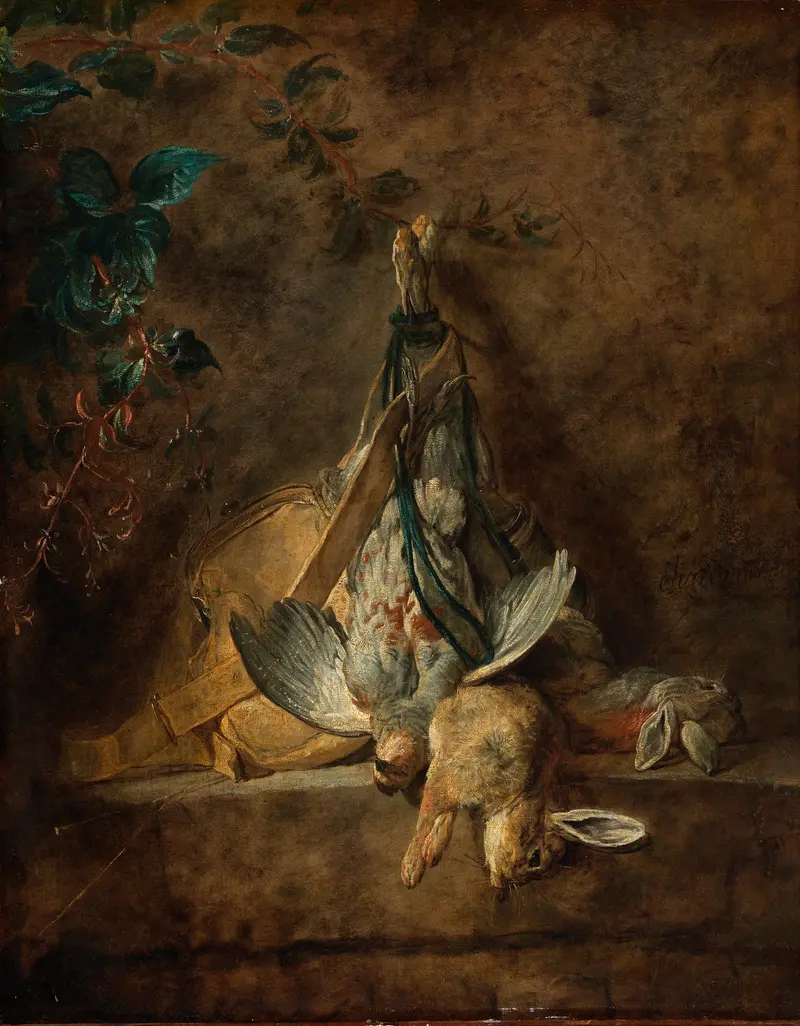
A Still Life; Two Rabbits, a Grey Partridge, Game Bag and a Powder Flask
Jean Siméon Chardin
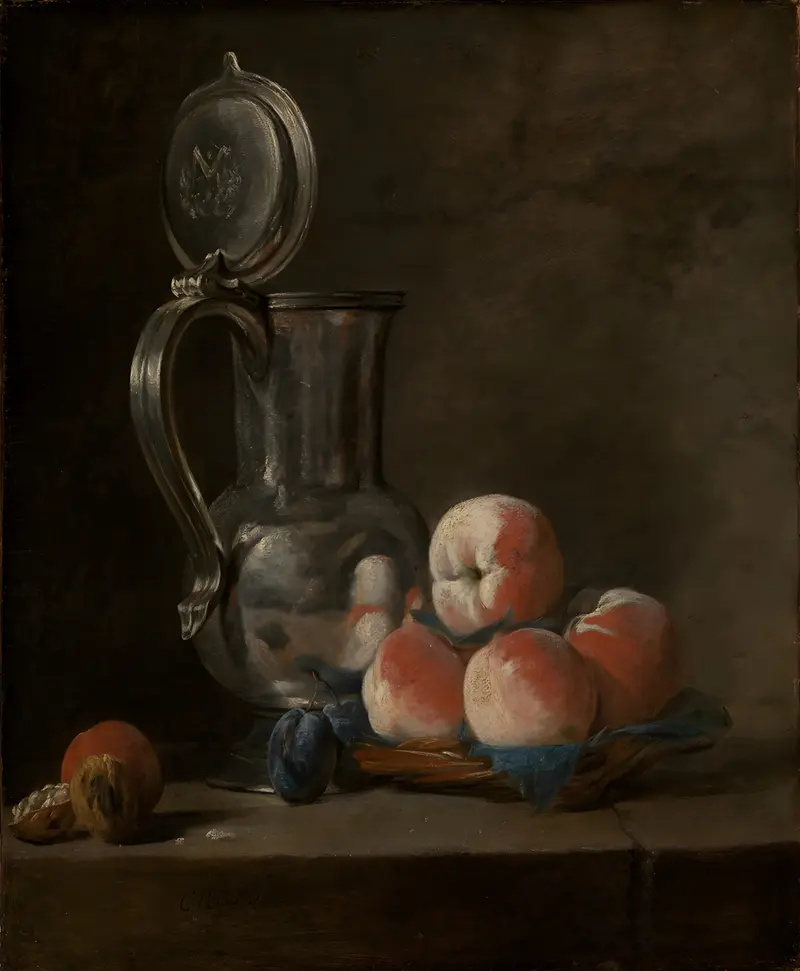
Still life with pewter jug and peaches
Jean Siméon Chardin
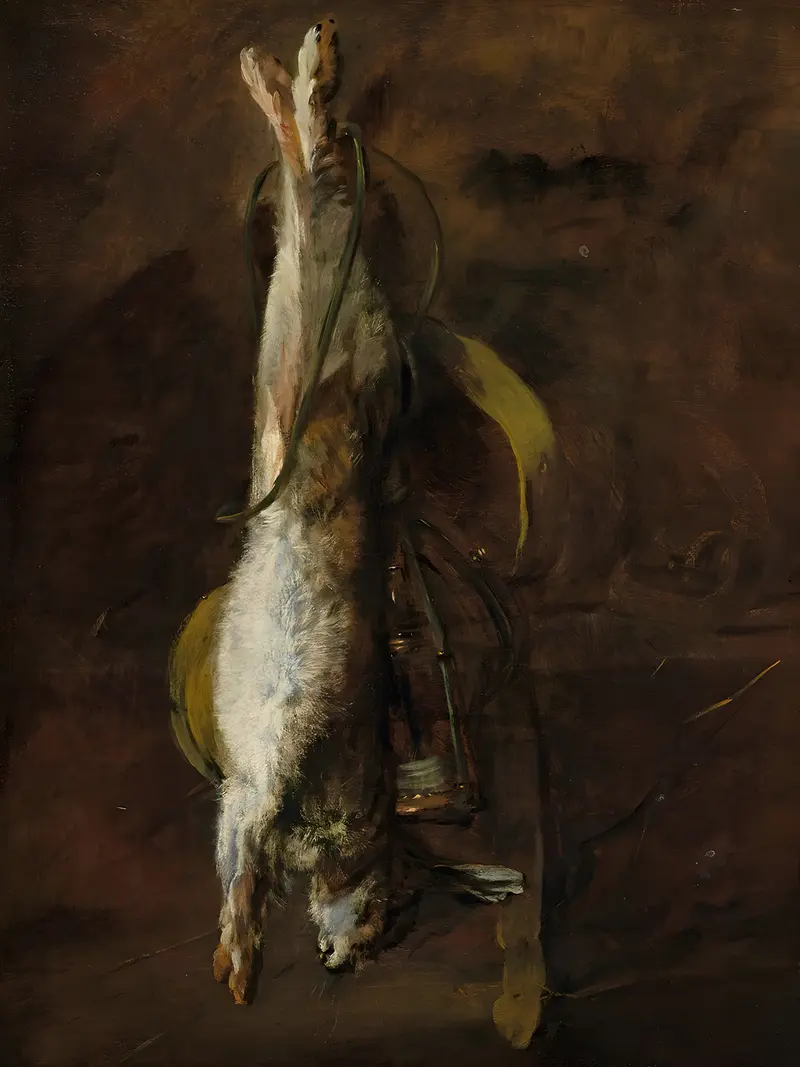
A dead rabbit and a satchel
Jean Siméon Chardin
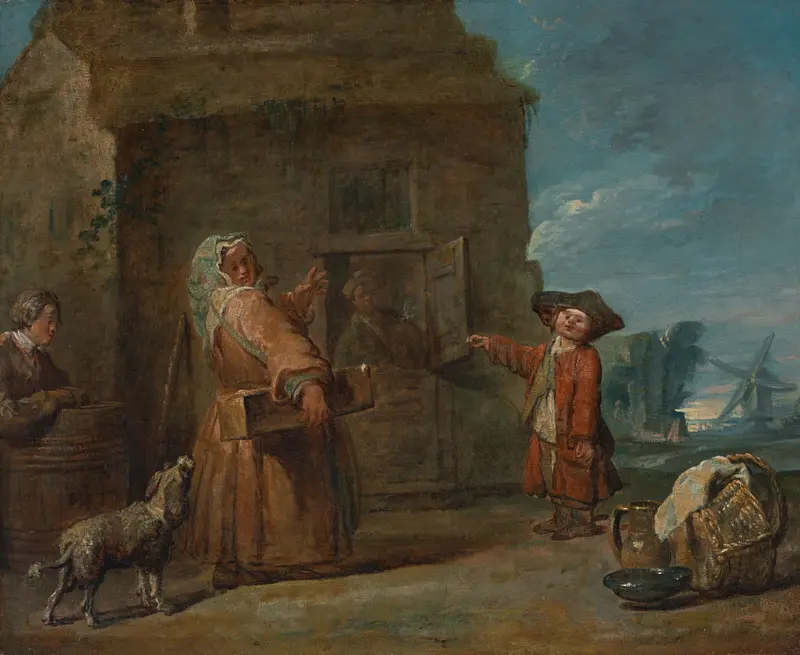
A genre scene, possibly La boïte du prestidigitateur (‘The Conjurer’s Box’)
Jean Siméon Chardin
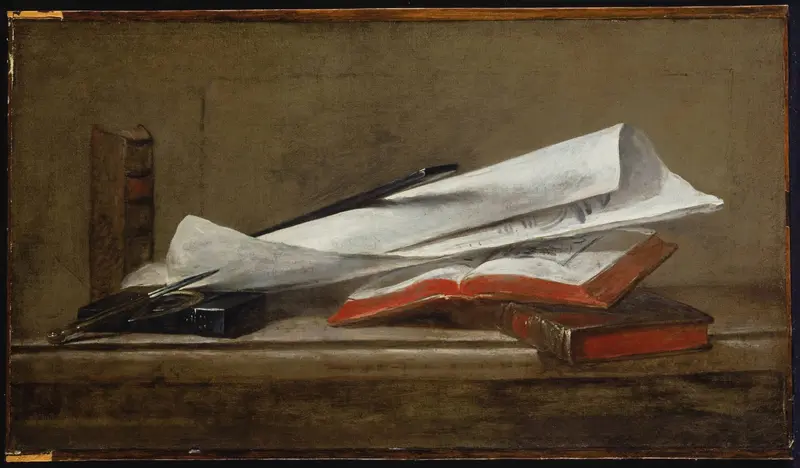
Attributes of the Architect
Jean Siméon Chardin





