
Marshall Falls near Delaware Water Gap — History & Facts
Could a single brushstroke hold eternity? In Marshall Falls near Delaware Water Gap, time seems suspended as nature's beauty meets the poignant mark of decay. Look to the left at the cascading water, where it tumbles over moss-covered rocks, glistening with shades of emerald and sapphire. The artist employs a rich palette, balancing the deep greens of the foliage against the soft blues of the sky reflecting in the water, inviting you to lose yourself in the scene. Notice how the light plays delicately on the water’s surface, creating a dance of highlights that vibrate with life, while the subtle brushwork conveys the textured surfaces of the rocks, hinting at their gradual erosion. The composition carries a quiet tension between vitality and decay.
The vibrant foliage thrives in the foreground, yet it is contrasted by the weathered stones, reminding us of the relentless passage of time that wears away all things. This duality whispers the story of nature’s cycle, where beauty flourishes even in the face of inevitable decline. Each element, from the mist rising off the falls to the shadows creeping along the earth, captures the bittersweet essence of existence. In 1856, James Fuller Queen painted this piece while immersed in the American Romantic movement, a time when artists sought to explore nature's sublime power.
Living in Philadelphia, Queen was influenced by the burgeoning appreciation for the American landscape, as artists began to assert a distinct national identity through their works. His engagement with the picturesque, combined with a sensitivity to the themes of decay and renewal, reflects a broader cultural shift towards valuing both the beauty and transience of the natural world.
More Artworks by James Fuller Queen
Browse all →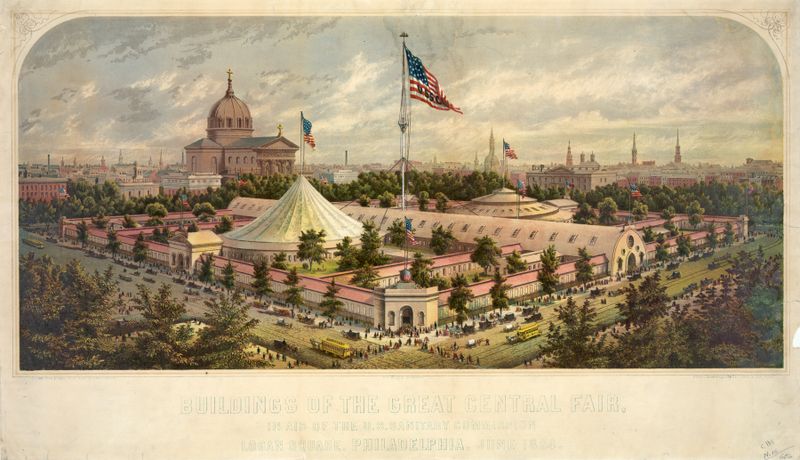
Buildings of the Great Central Fair, in aid of the U.S. Sanitary Commission, Logan Square, Philadelphia, June 1864
James Fuller Queen
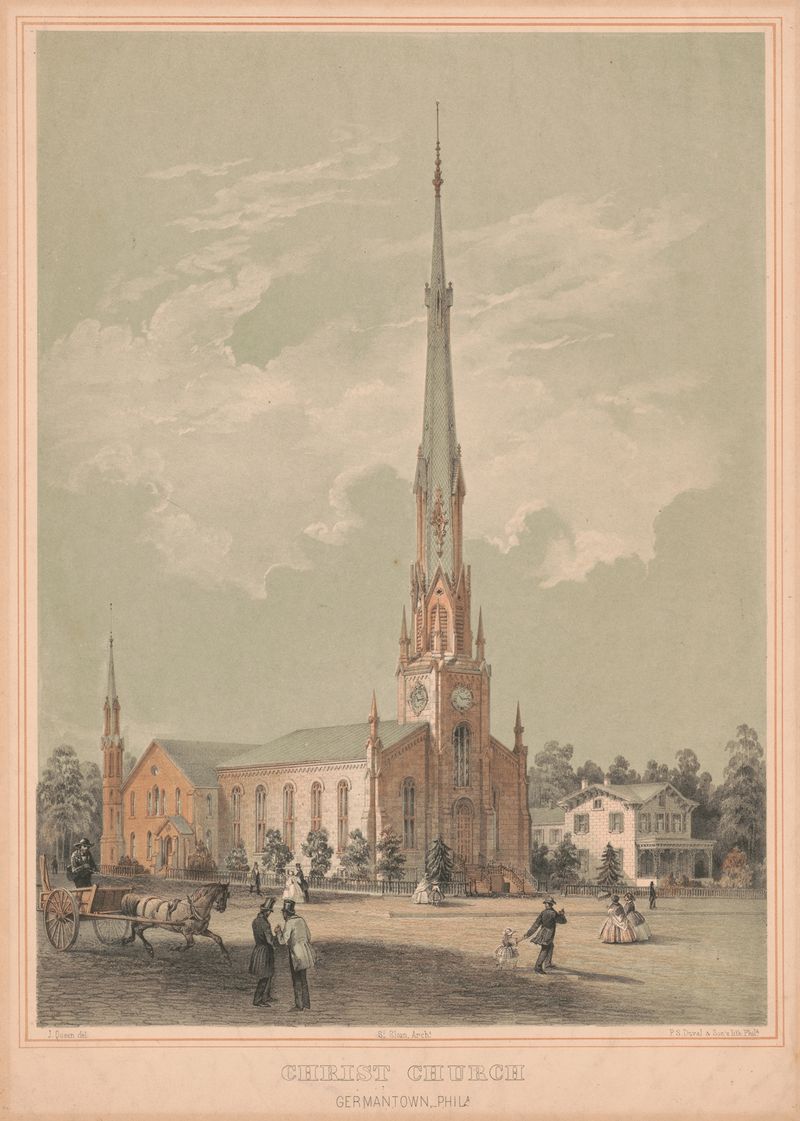
Christ Church, Germantown, Phila.
James Fuller Queen
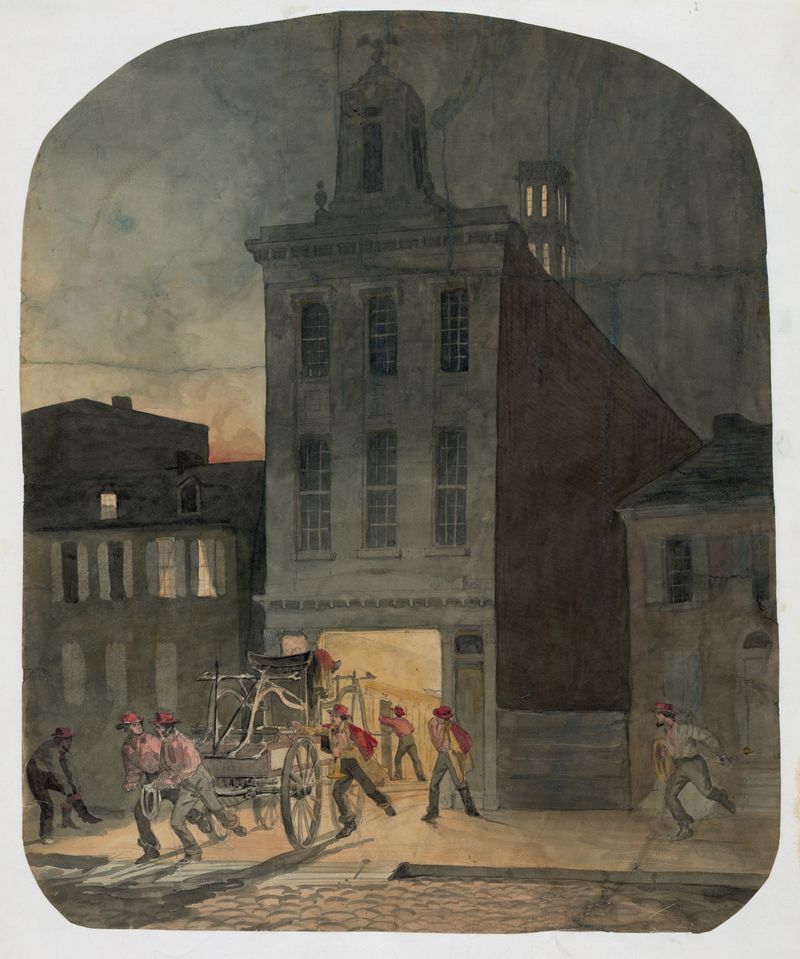
Firehouse scene in Philadelphia showing firemen from the Weccacoe Engine Company
James Fuller Queen
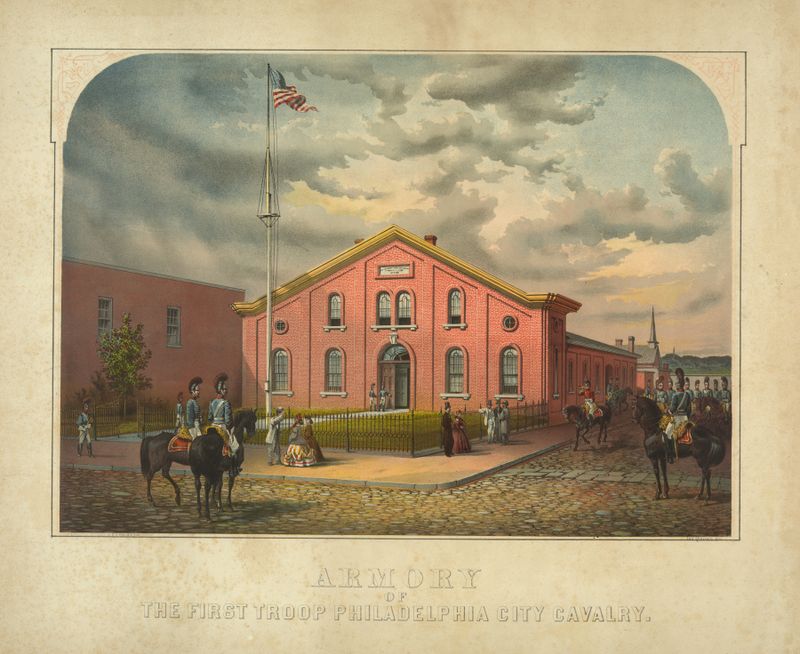
Armory of the First Troop Philadelphia City Cavalry
James Fuller Queen
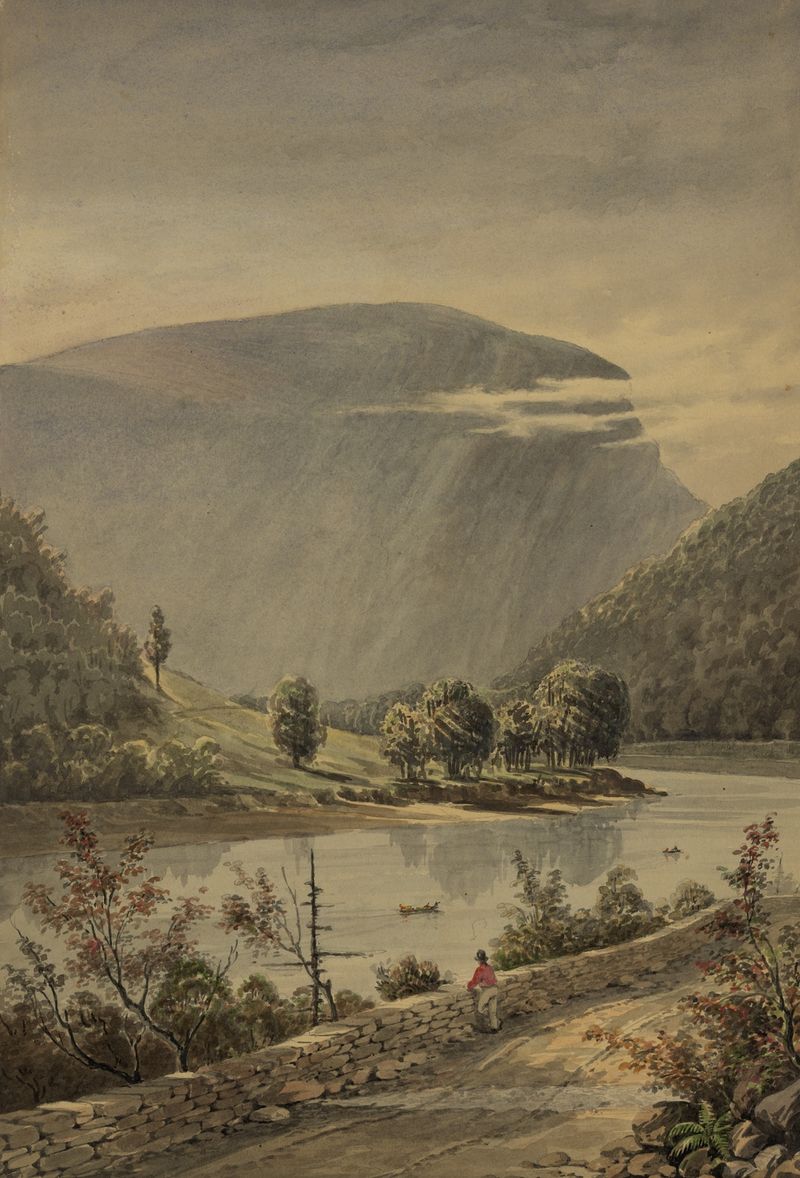
Delaware Water Gap
James Fuller Queen
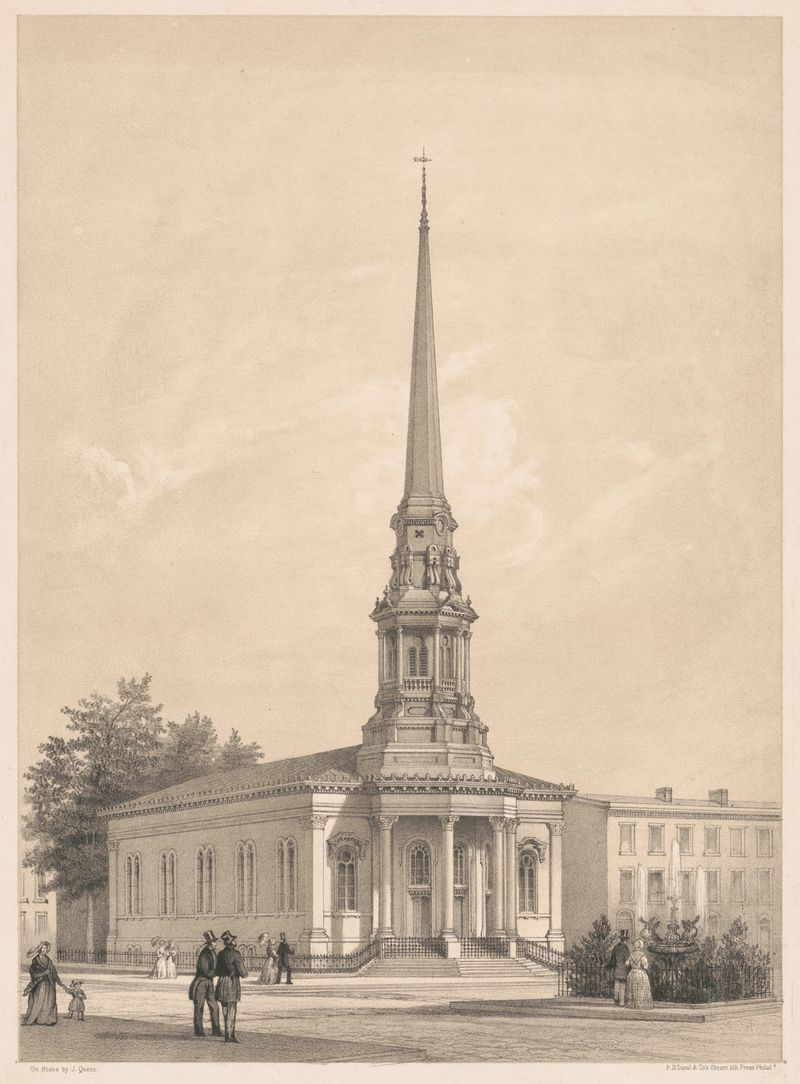
The Fourth Baptist Church, N.W. corner of Fifth & Buttonwood Streets, Philadelphia
James Fuller Queen
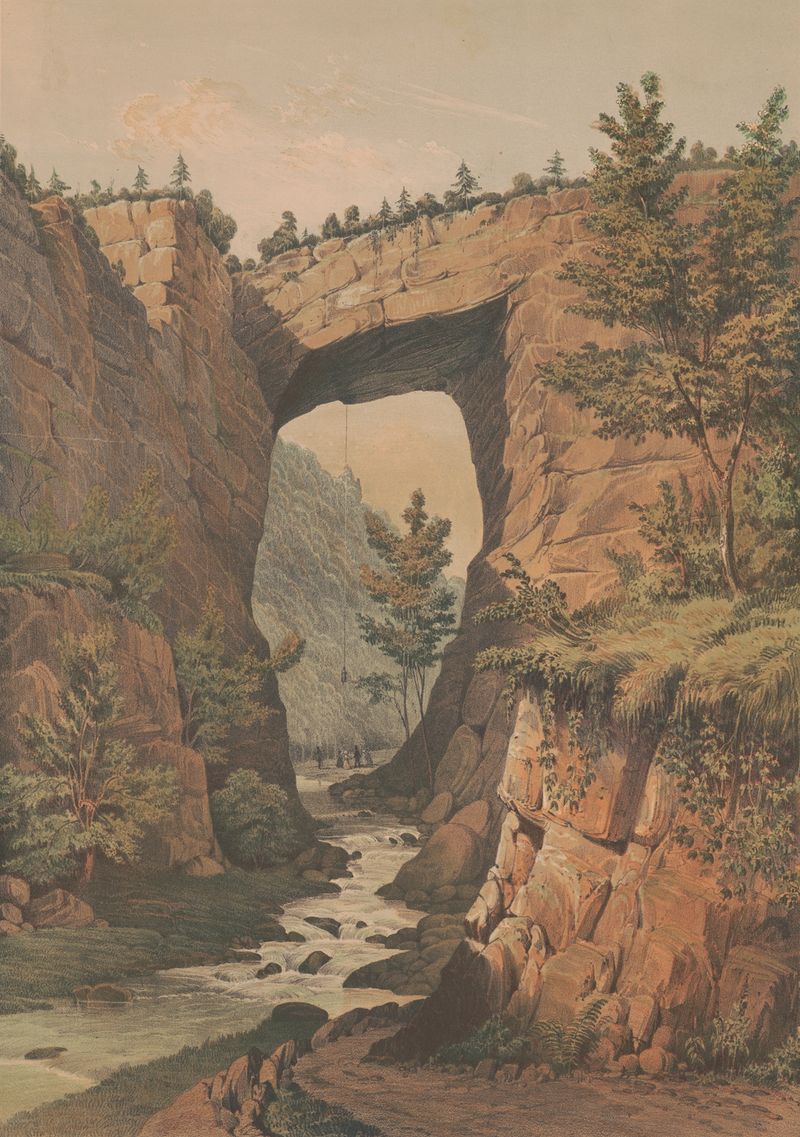
The natural bridge, Rockbridge County, Va. from a sketch by Maj. Ths. H. Williamson
James Fuller Queen
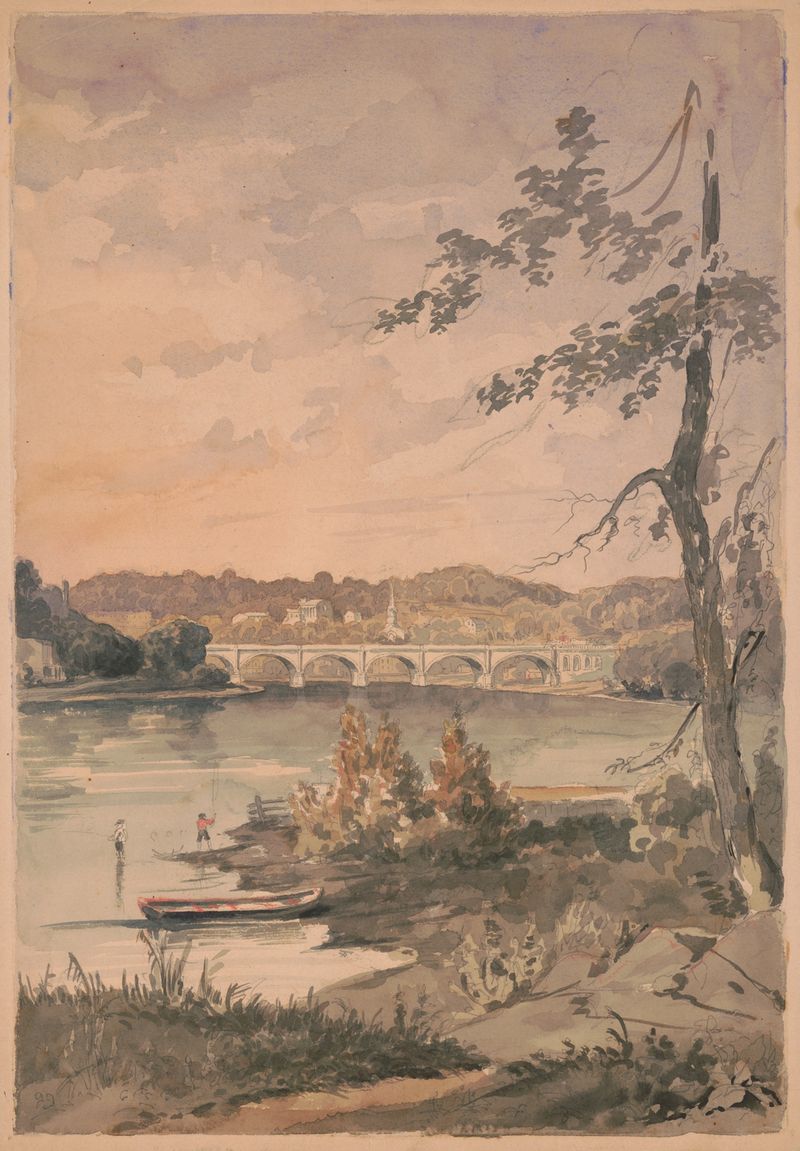
Boys fishing on the banks of the Schuylkill River in Philadelphia
James Fuller Queen

Schuylkill Arsenal at sunset, from across the Schuylkill River, looking west
James Fuller Queen

Explosion of the Alfred Thomas at Easton Pa. March 6th 1860
James Fuller Queen





