Marshland — History & Facts
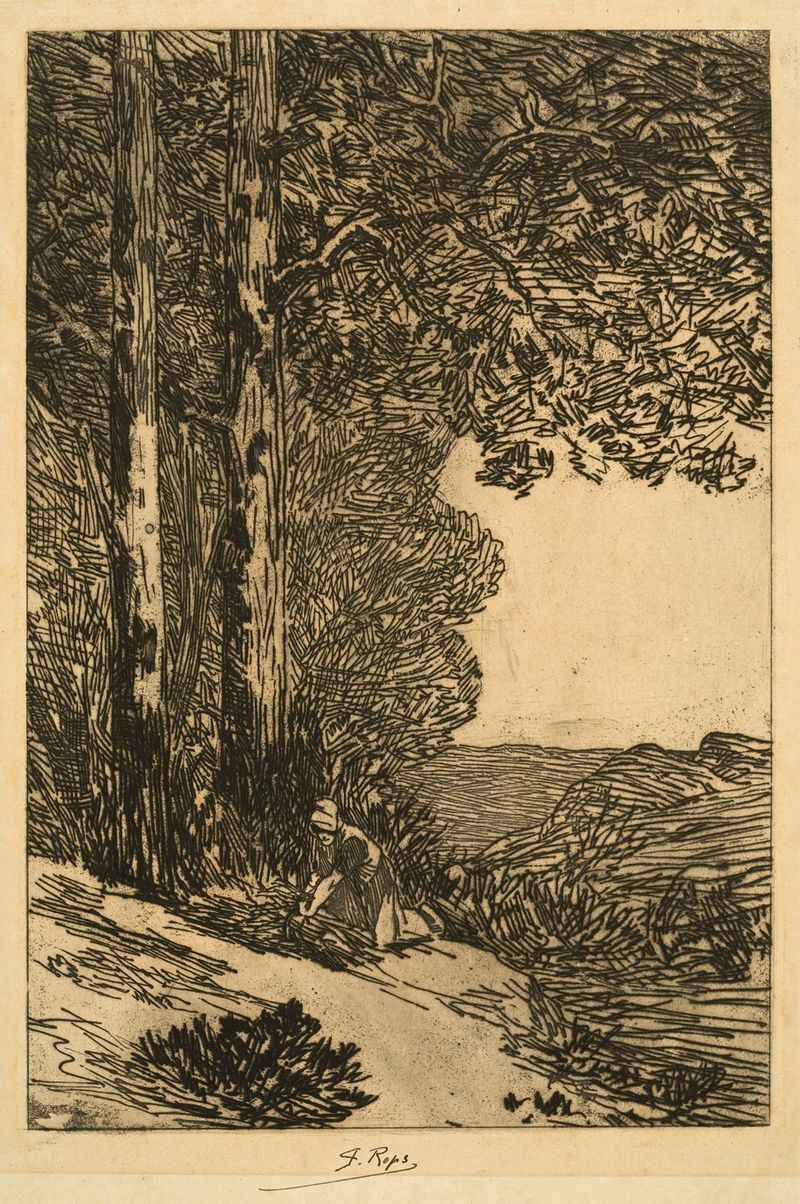
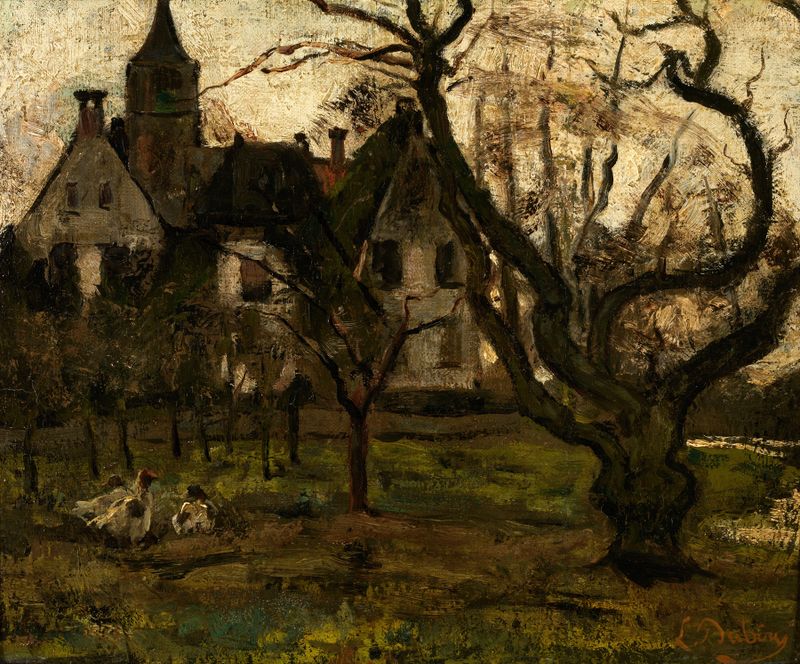
Who listens when art speaks of silence? Within the stillness of nature, the unspoken stories of the marshland unfold, whispering truths to those willing to pause and reflect. Focus on the subtle hues of the landscape, as soft greens and muted browns cradle the foreground. The water, a mirror to the sky, beckons your gaze toward the gentle ripples that disrupt the otherwise tranquil surface. Notice how the light filters through the delicate grasses, casting dappled shadows that dance upon the earth, while the horizon stretches infinitely, inviting contemplation and reverie. Deeper meanings emerge from the interplay of light and shadow.
The vibrant yet subdued palette encapsulates a sense of both solitude and harmony, reflecting the dual nature of the marshland—a sanctuary for life and a realm of isolation. The texture of the brush strokes evokes the sensation of movement, suggesting a world teeming with quiet activity, where unseen creatures dwell in the reeds, hinting at the vibrancy of existence often lost in silence. In 1863, during a period of artistic rebellion and innovation, Dubois was immersed in the evolving landscape of French art. Working amidst a shifting cultural paradigm, he sought to capture the essence of natural beauty while grappling with the burgeoning Impressionist movement.
This was a time when meticulous detail began to yield to the fluidity of light and atmosphere, marking a transitional moment in his artistic journey as he explored the relationship between nature and emotion through the lens of the marsh.