The Orchard of the Castle — History & Facts
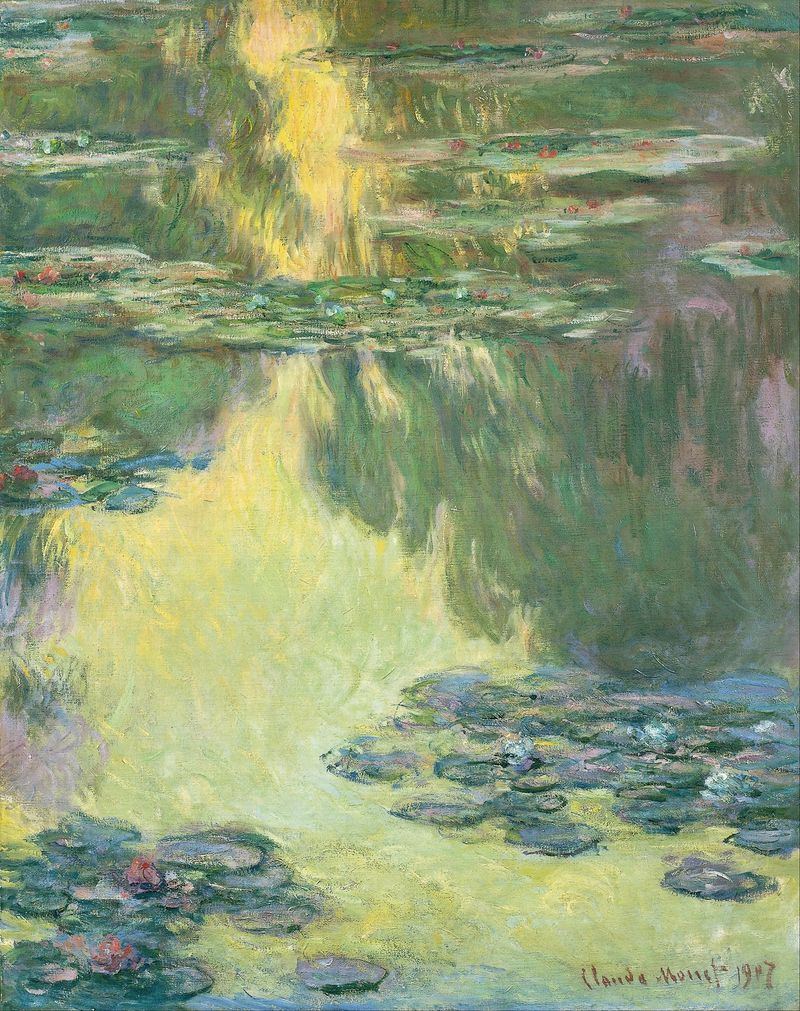
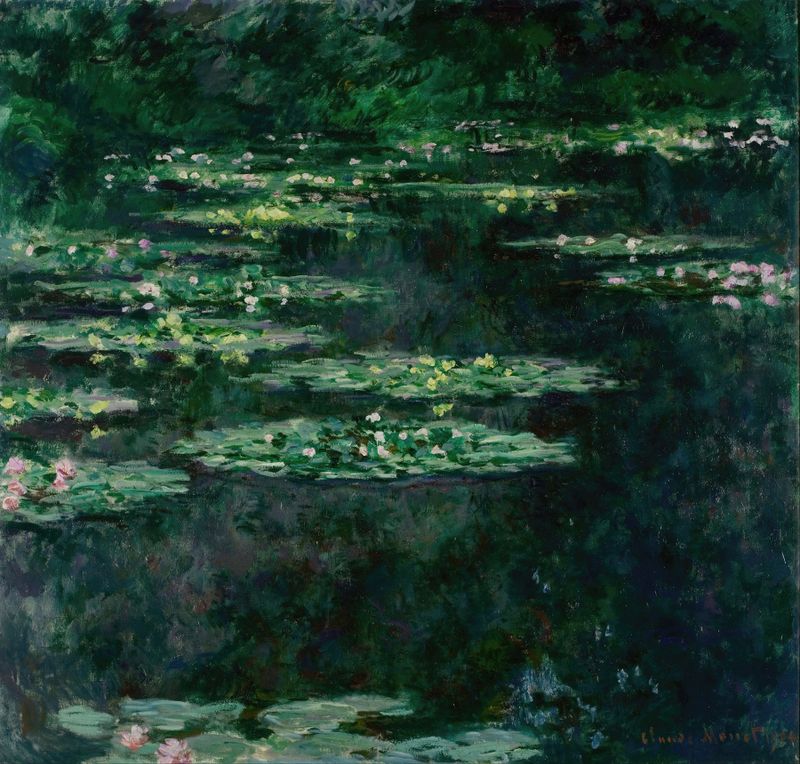
In the intricate dance between life and death, art often reveals our deepest vulnerabilities. Gaze toward the center, where the soft, luminous leaves shimmer in an ethereal light, inviting you to explore the vibrant orchard. The delicate strokes of gold leaf create a mesmerizing texture, almost as if nature itself is cloaked in preciousness. Notice the careful balance of warm hues—rich greens, radiant yellows, and soft browns—juxtaposing life’s vitality against the gravity of decay, urging the viewer to reflect on the fleeting nature of existence. Hidden within the lushness is a tension between the idyllic beauty of the scene and the underlying whispers of mortality.
The twisted branches, while bearing fruit, suggest the wear of time, their gnarled forms a reminder that beauty can often mask sorrow. As you trace the contours of the landscape, you may feel the pulse of a serene yet unyielding cycle—life blooming and withering, evoking a poignant acceptance of the inevitable. Created during an undefined period in his career, the artist painted this piece amidst a shifting art world, where Romanticism was giving way to Impressionism. Living in France, he navigated the crossroads of beauty and introspection, absorbing the emerging ideas that challenged traditional representations.
This artwork serves as a testament to that period's exploration of emotion, revealing Dubois’s contemplation of life’s transient nature through the lens of a seemingly serene orchard.