
Maryland Heights; Siege of Harpers Ferry — History & Facts
Who listens when art speaks of silence? In Maryland Heights; Siege of Harpers Ferry, the whisper of history resonates through the fragile stillness of the landscape. Look to the horizon where the soft, muted colors of dawn begin to illuminate the rugged terrain. The artist masterfully uses a delicate palette of greens and grays to depict the undulating hills, while a hint of morning light casts gentle shadows across the foreground. Notice how the trees, etched with meticulous detail, stand sentinel over the scene, their fragile forms seemingly in surrender to the weight of impending conflict.
Each brushstroke conveys a sense of quiet foreboding, inviting the viewer to pause and reflect on the tension that lies just beneath the surface. In this artwork, the contrast between the serene beauty of nature and the grim reality of war speaks to profound emotional depths. The lushness of the landscape, so full of life, stands in stark opposition to the historical turmoil of the Siege of Harpers Ferry. This juxtaposition evokes a fragile sense of hope against the backdrop of chaos, as if nature itself mourns the encroaching violence.
Every element — from the sweeping sky to the distant hills — works together to create an atmosphere of unease, a reminder of the delicate balance between peace and destruction. William Macleod painted this work in 1863, during a tumultuous period in American history marked by the Civil War. As battles raged across the nation, Macleod sought to capture the essence of a pivotal moment in the conflict, reflecting both the beauty of the land and the fragility of human existence within it. This painting emerged from a time when artists were increasingly drawn to the complex relationship between nature and societal upheaval, striving to document the emotional weight borne by both.
More Artworks by William Macleod
Browse all →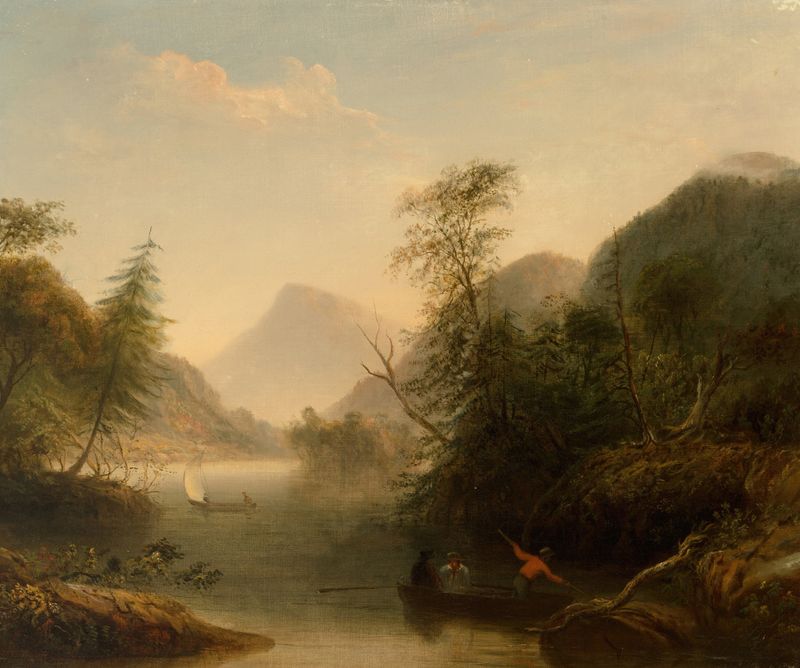
More Historical Art
Browse all →
The Night Watch Militia Company of District II under the Command of Captain Frans Banninck Cocq
Rembrandt van Rijn

Lincoln Memorial
Henry Bacon

The Third of May 1808
Francisco de Goya

Isaac and Rebecca, Known as ‘The Jewish Bride’
Rembrandt van Rijn

The Charge of the Mamelukes (1814)
Francisco de Goya

De vier ruiters van de apocalyps
Albrecht Dürer