
Meadow — History & Facts
In the vibrant strokes of nature, an artist’s obsession transforms the ordinary into the extraordinary. Look to the bottom left, where gentle strokes of green suggest the softness of grass, each blade trembling under the weight of morning dew. The colors blend seamlessly, creating a harmony that draws the eye towards the light-dappled horizon. Notice how Sisley captures the sky — a cacophony of blues and whites swirling above, resplendent yet tranquil, revealing a fleeting moment in time.
His application of paint conveys a sense of movement, embodying the very essence of the wind that whispers through the meadow. Delve deeper into the interplay of light and shadow within the painting. The subtle variations in tone evoke a sense of peace, but beneath this serenity lies an unsettling tension, born from Sisley’s devotion to capturing nature’s fleeting beauty. The contrast between the warm sunlit areas and the cool shadows suggests a deeper introspection, hinting at nature’s duality — a source of both inspiration and melancholy.
This emotional conflict echoes the artist's own struggles, as he navigates his passion and the ephemeral nature of existence. In 1875, while residing in France, Sisley painted Meadow during a period marked by the Impressionist movement's exploration of light and color. His life was filled with financial difficulties, yet he found solace in the landscapes around him, portraying them with an unwavering commitment to their beauty. This work reflects not only his artistic evolution but also the broader artistic shifts of the time, where the obsession with capturing the transient became a defining characteristic of modern art.
More Artworks by Alfred Sisley
Browse all →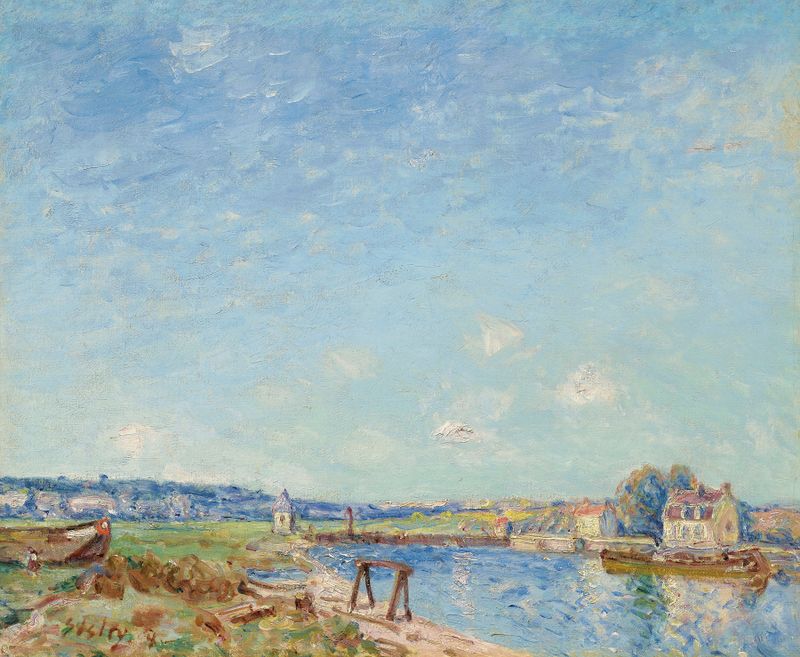
Le Loing à Saint-Mammès
Alfred Sisley
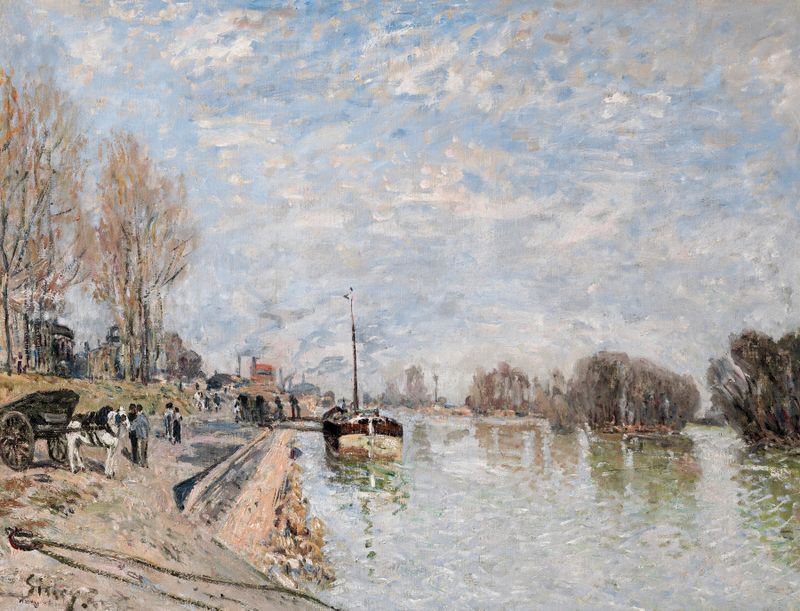
La Seine à Suresnes
Alfred Sisley
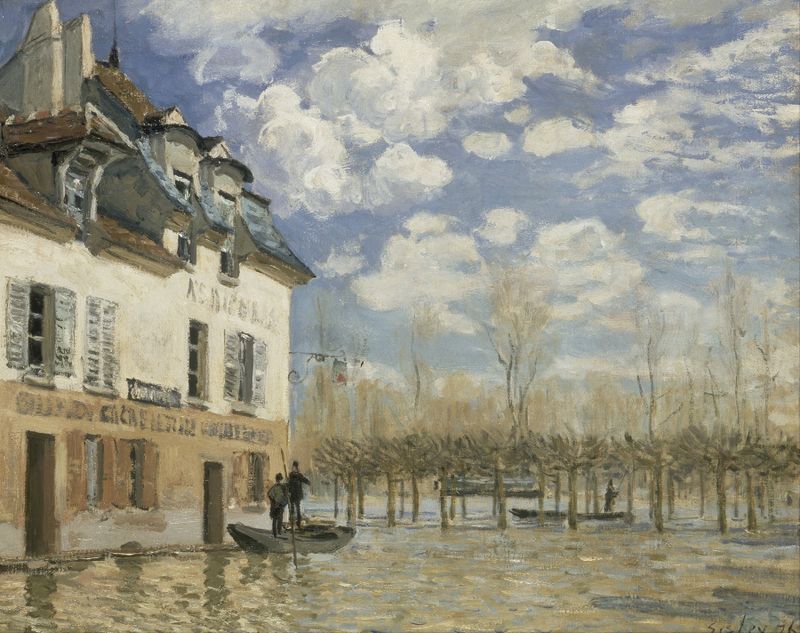
Boat in the Flood at Port Marly
Alfred Sisley
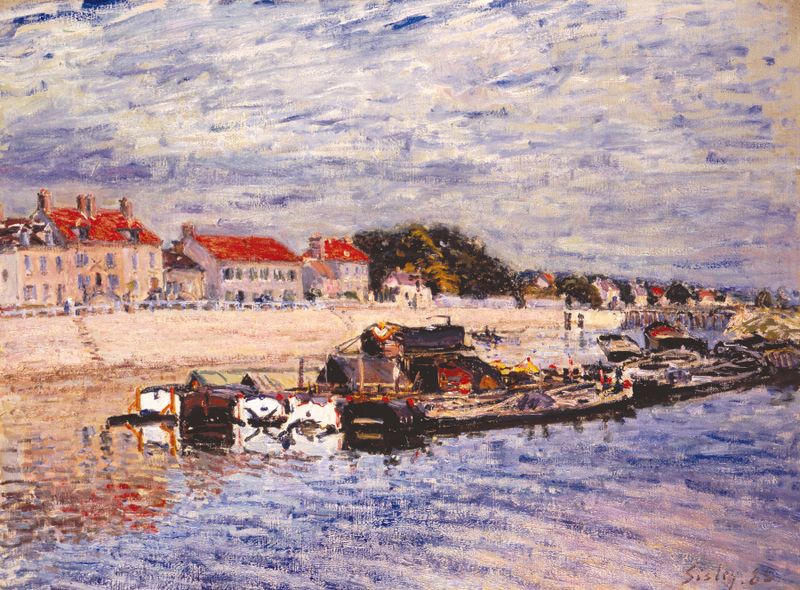
Barges on the Loing at Saint-Mammès
Alfred Sisley

L’allée des peupliers au bord du Loing
Alfred Sisley

Molesey Weir, Hampton Court
Alfred Sisley
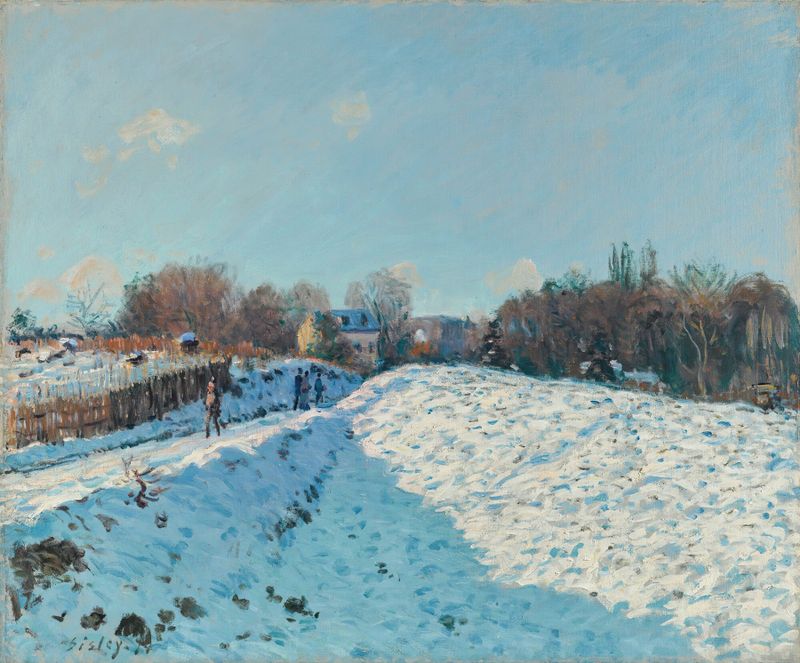
Effet De Neige À Louveciennes
Alfred Sisley
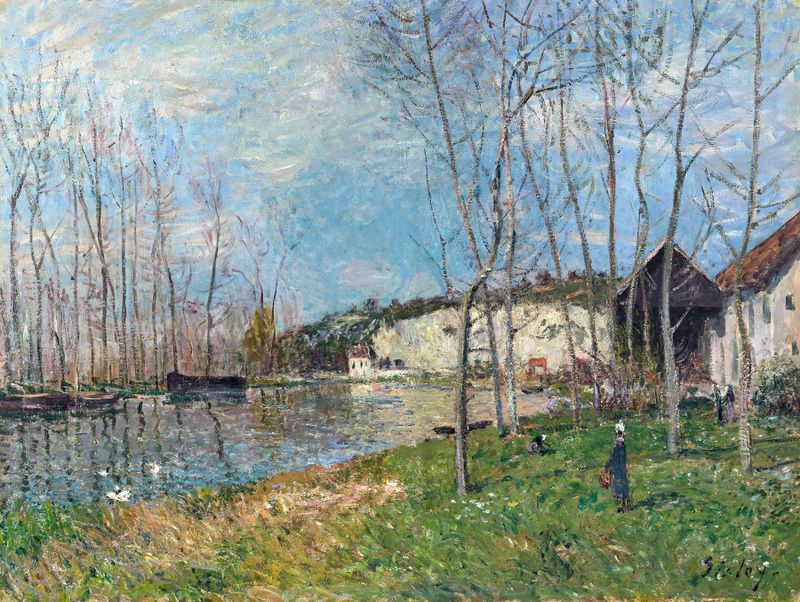
Printemps au bord du Loing
Alfred Sisley
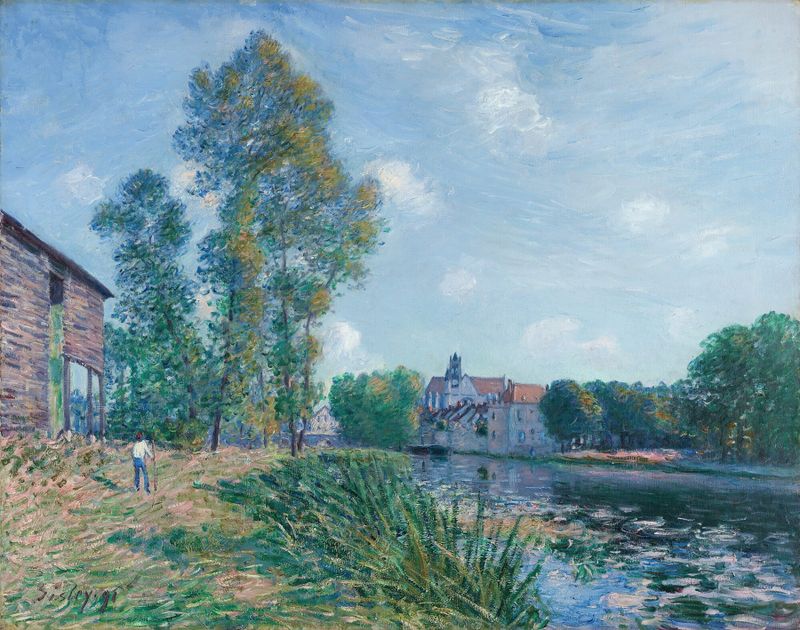
Le Loing À Moret, En Été
Alfred Sisley
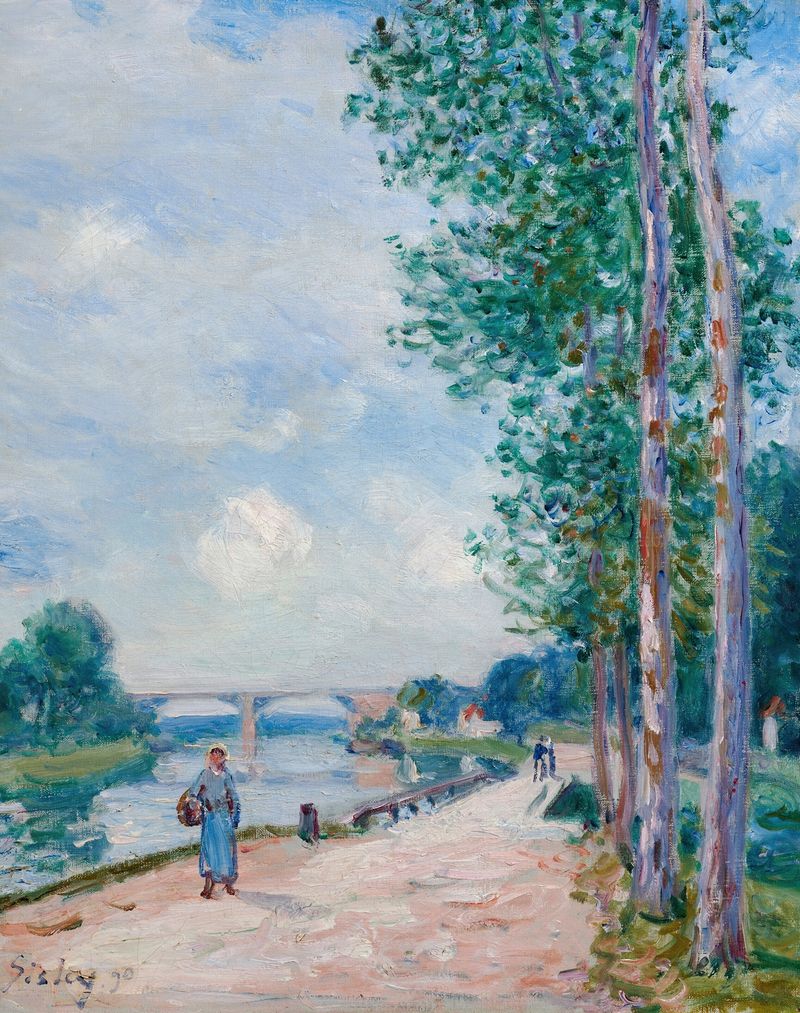
Les bords du Loing près de Moret
Alfred Sisley





