Discover insights about this artwork
Medea — History & Facts
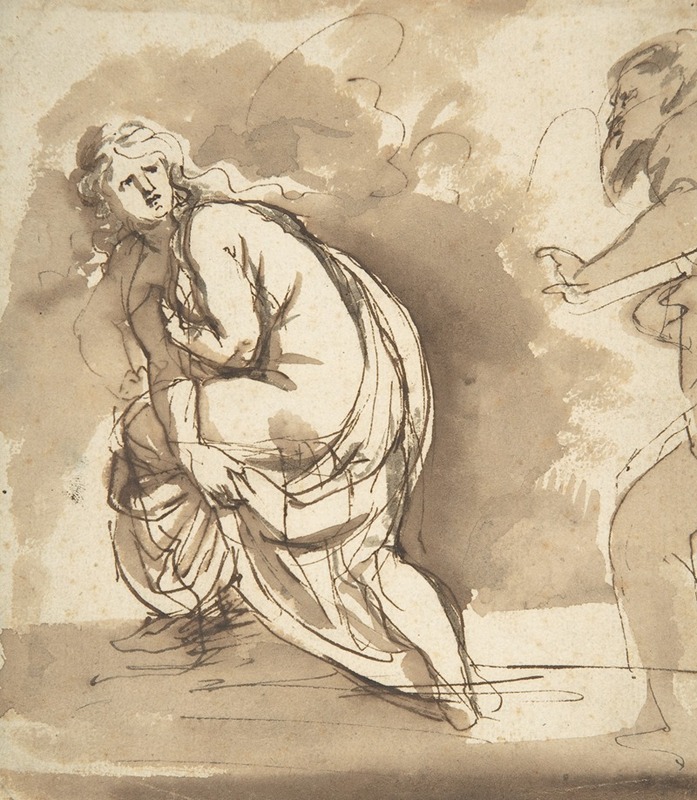
In Medea, Charles-Antoine Coypel presents a vibrant tableau filled with rich colors. The central figure, Medea, is depicted with intense emotion, surrounded by dramatic gestures and expressions. The setting is lush and ornate, typical of the Rococo style, with flowing drapery and intricate details.
The use of light enhances the overall drama of the scene. The painting is an oil on canvas, showcasing Coypel's skill in blending colors and textures. The dimensions are approximately 100 x 130 cm, making it a sizable work that draws the viewer in. The composition is dynamic, with figures arranged in a way that leads the eye through the narrative.
The attention to detail in the clothing and facial expressions adds depth to the characters. Charles-Antoine Coypel was a prominent French painter of the Rococo period, known for his theatrical compositions. Medea reflects his interest in mythological subjects and his ability to convey emotion through art. Interestingly, this work was commissioned for a private collection, highlighting its significance in the 18th-century art market.
Coypel's influence extended beyond painting, as he also contributed to the decorative arts and theater.
More Artworks by Charles-Antoine Coypel
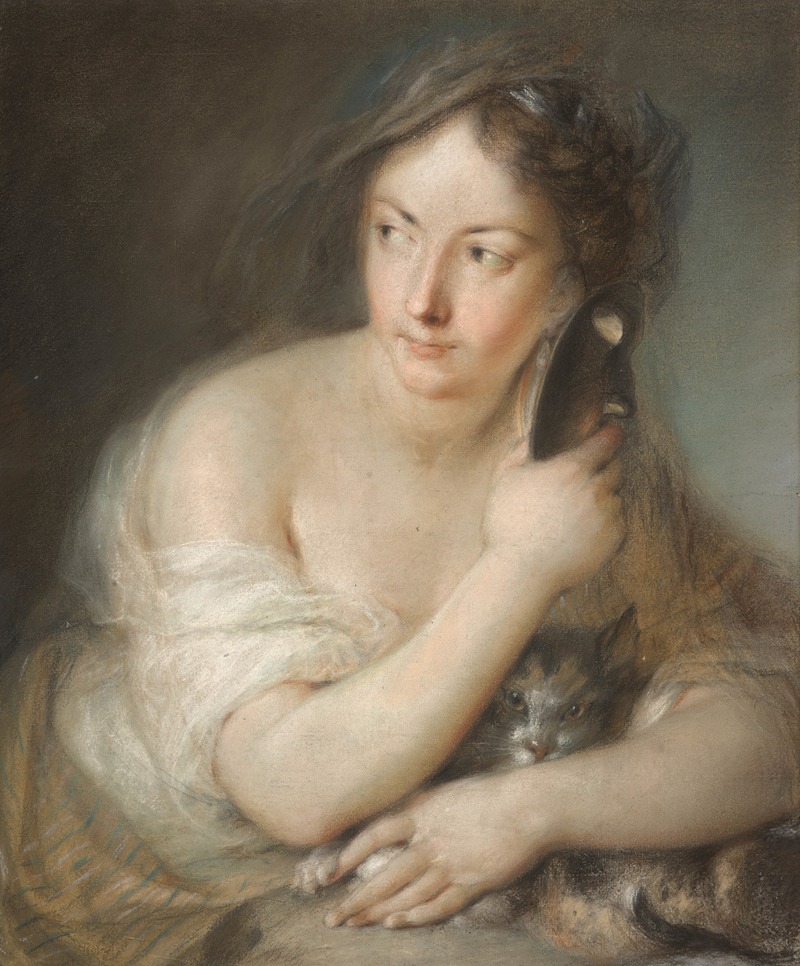
La Malice
Charles-Antoine Coypel
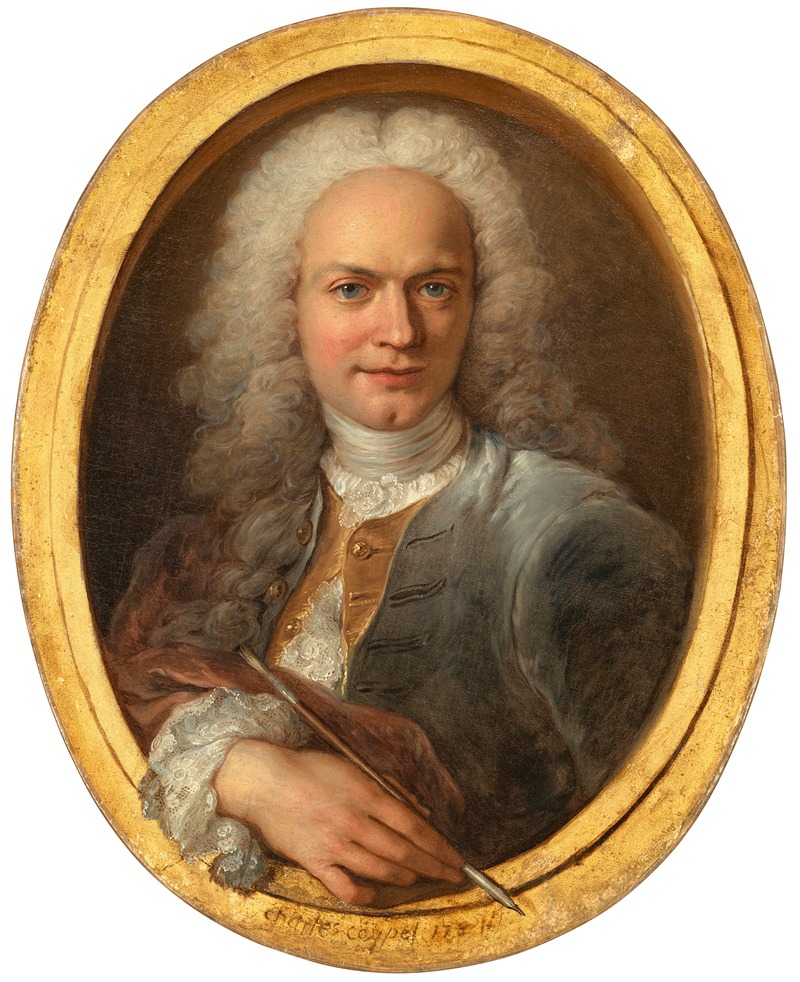
Portrait of a man in a painted frame
Charles-Antoine Coypel
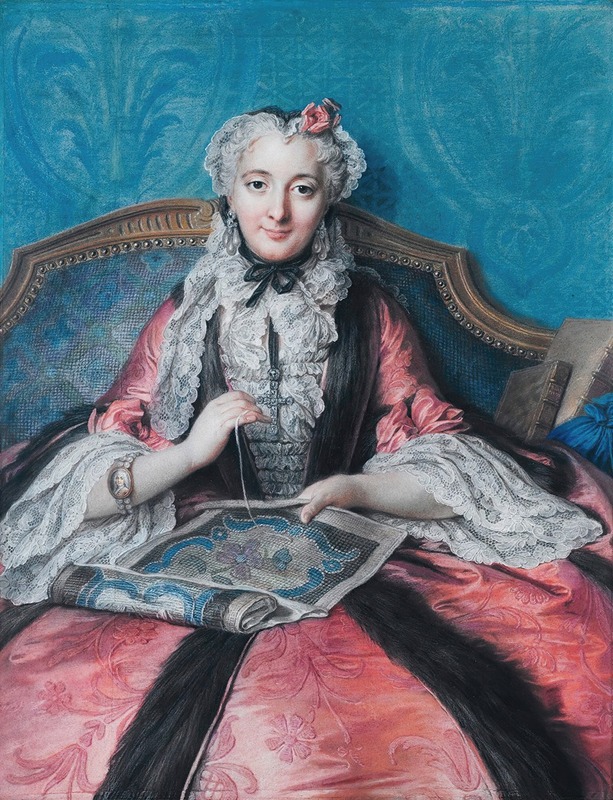
Portrait of a woman sewing
Charles-Antoine Coypel
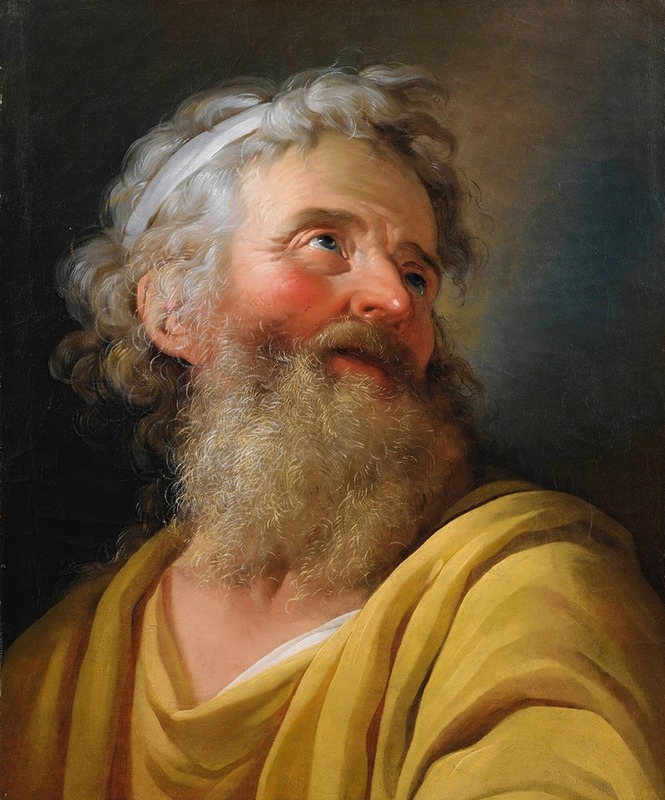
Portrait of an actor
Charles-Antoine Coypel
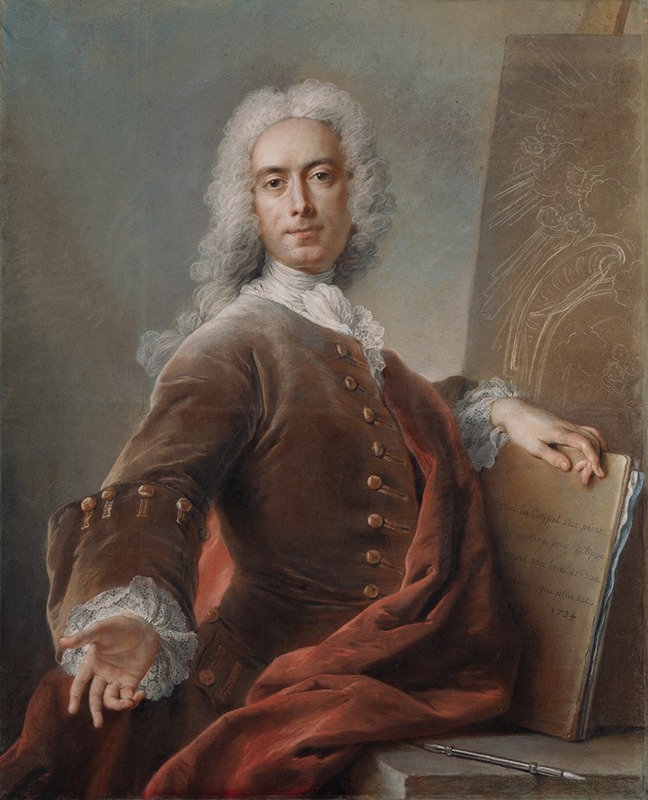
Self-Portrait
Charles-Antoine Coypel
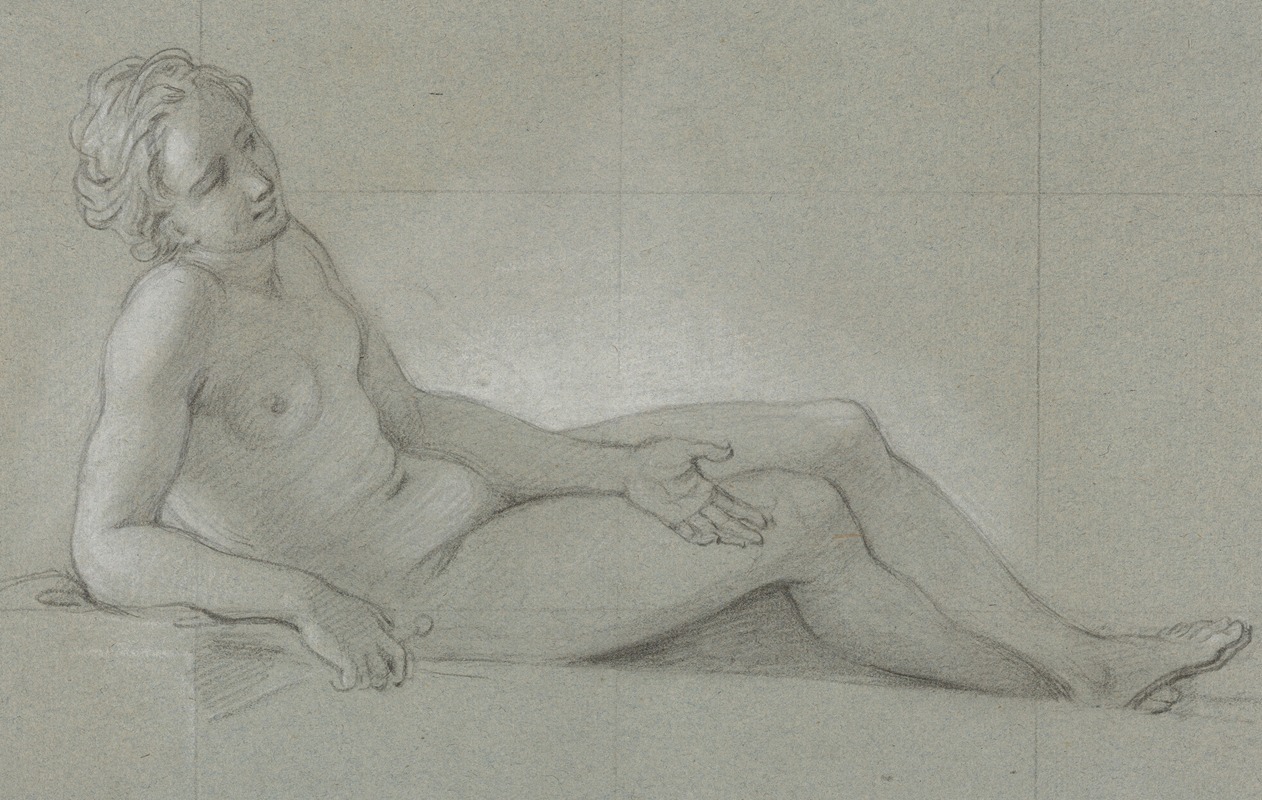
Study of a Reclining Female Nude
Charles-Antoine Coypel
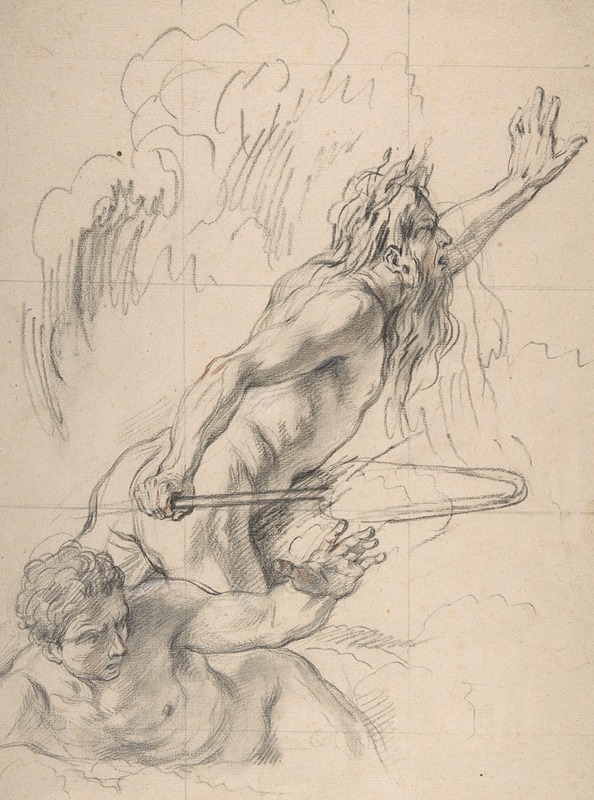
River God and Another Male Figure
Charles-Antoine Coypel
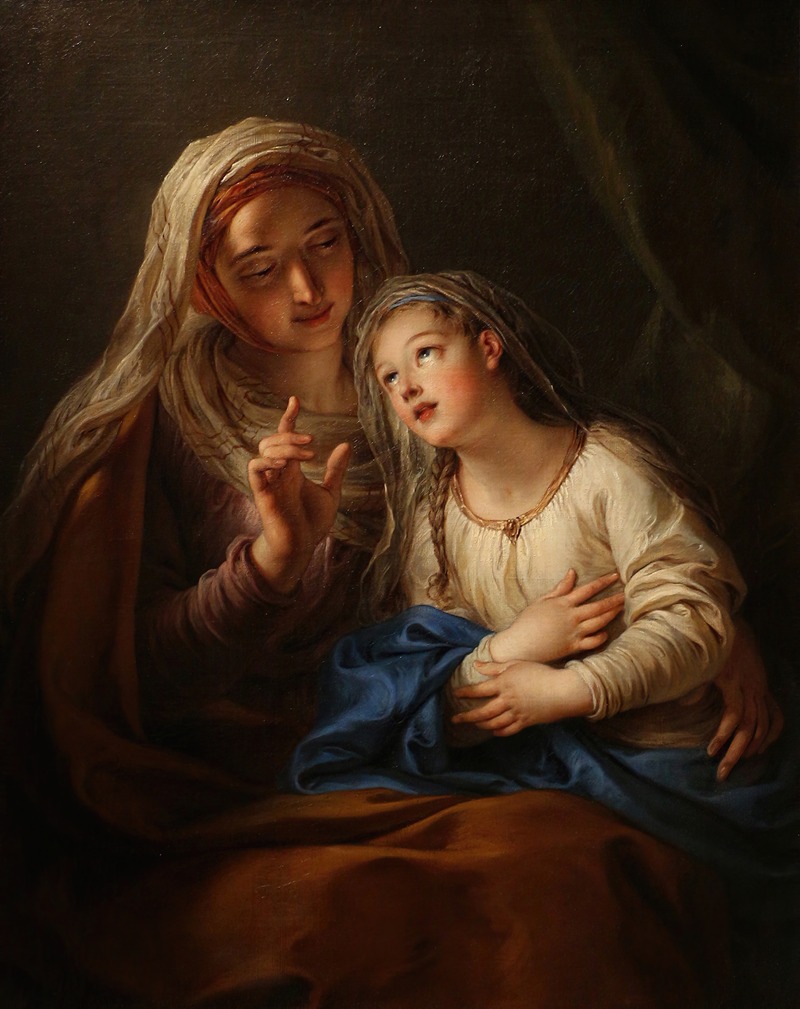
The Education of the Virgin Mary
Charles-Antoine Coypel
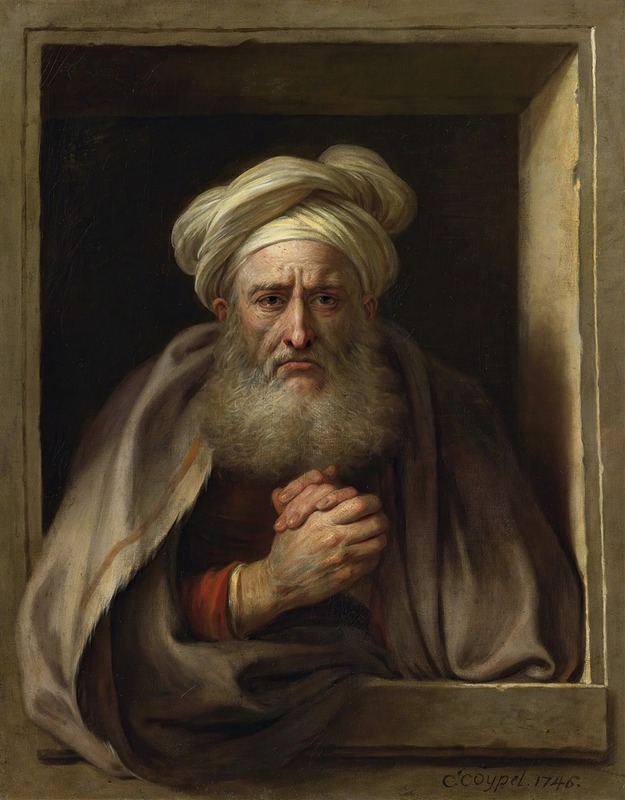
Sorrowful Democritus
Charles-Antoine Coypel
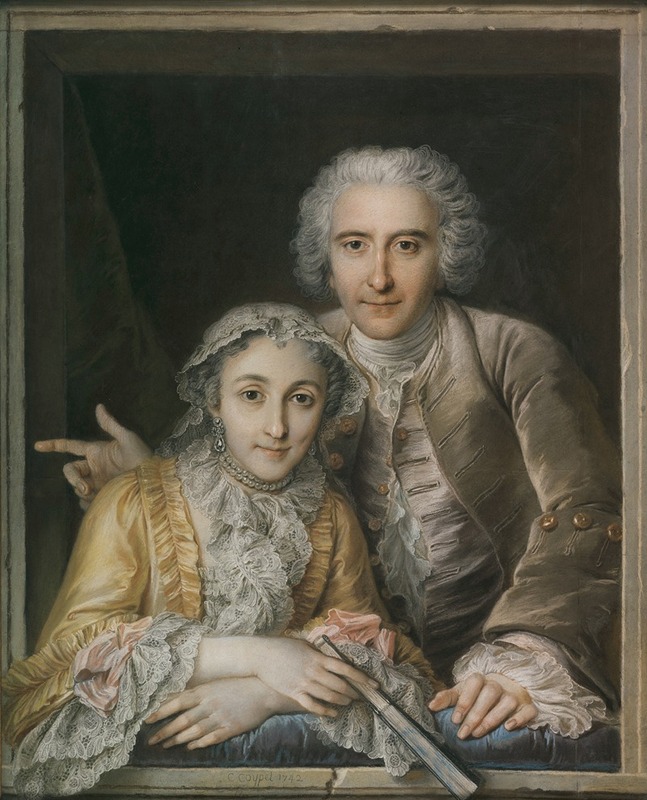
Portrait of Philippe Coypel and His Wife
Charles-Antoine Coypel