
Meeresküste – Fischer und Boote an der Ostsee — History & Facts
When did color learn to lie? The hues of blue and green may sing the ocean's praises, yet beneath their surface, they weave a tale of balance between nature and humanity. Look to the foreground where the boats rest gently upon the water, anchored in the embrace of a soft, undulating rhythm. The warm ochres of the fishermen contrast against the cool tones of the sea, drawing the eye first to their sturdy forms. Notice how the sunlight dapples upon the surface, creating a dance of light that hints at the vitality of the scene while evoking the tranquility of a moment suspended in time. Yet beneath this picturesque surface lies a deeper narrative.
The fishermen, resolute in their craft, embody the struggle against nature’s relentless tide, revealing an underlying tension between man’s ambition and the capriciousness of the sea. The boats, while vessels of hope, are also reminders of vulnerability, caught between the allure of the horizon and the weight of dependence on the waters for sustenance. This duality invites contemplation on our own balances, between aspiration and reality. In 1872, Karl Hagemeister painted this work in his native Germany, during a time when the art world was embracing realism and the impressionistic movement was beginning to stir.
Hagemeister, primarily known for his landscapes, sought to capture the essence of daily life along the Baltic Sea, reflecting a moment when artists were turning their gaze towards the interplay of light and color in nature. These explorations were pivotal as they laid the groundwork for the evolution of modern art.
More Artworks by Karl Hagemeister
Browse all →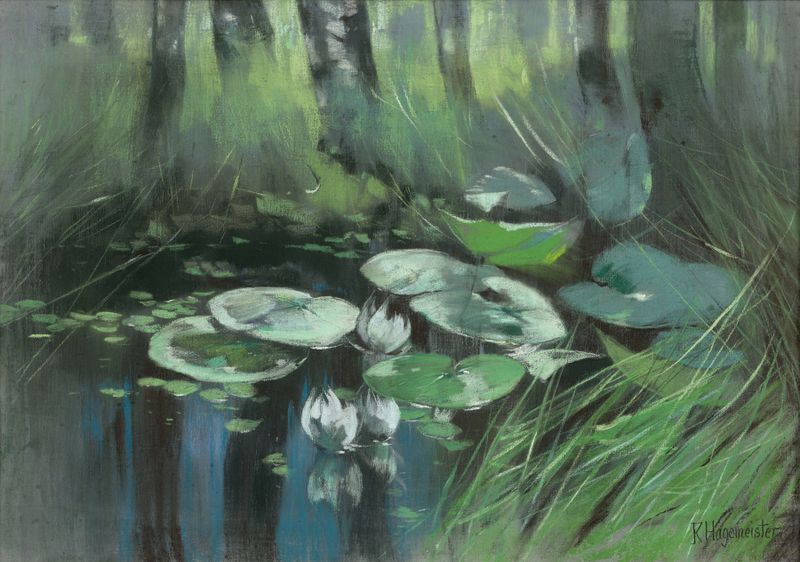
Teich in der Mark mit Seerosen
Karl Hagemeister
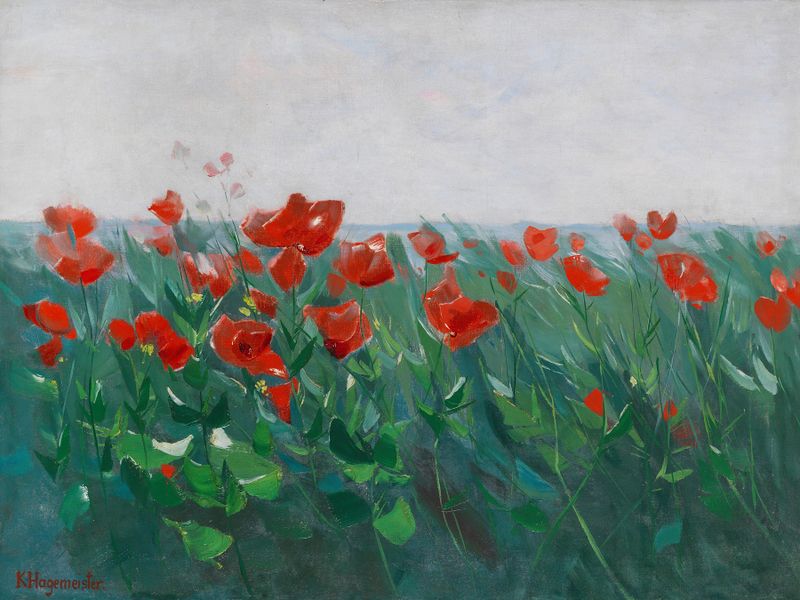
Roter Mohn am Seeufer
Karl Hagemeister

Bauernhaus bei Ferch
Karl Hagemeister
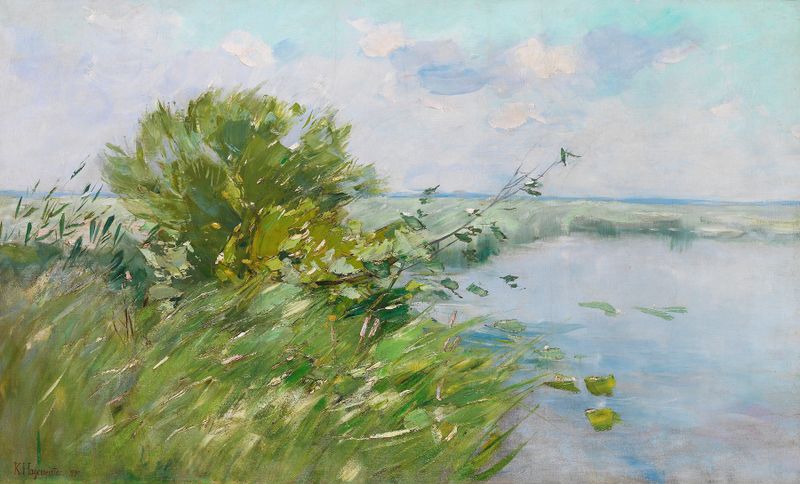
Märkische Seenlandschaft
Karl Hagemeister

Seeufer bei Ferch
Karl Hagemeister
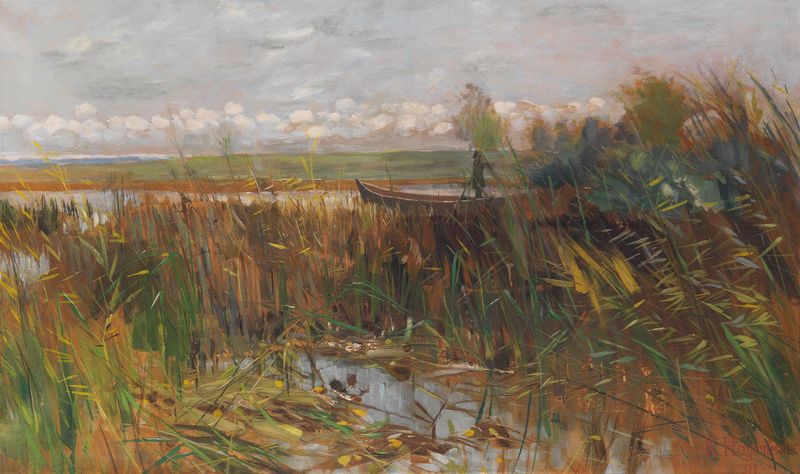
Märkische Seenlandschaft mit Entenjäger im Kahn stehend
Karl Hagemeister
Der Schwielowsee bei Kaputh – Frühling
Karl Hagemeister

Waldweiher
Karl Hagemeister

Waldlandschaft mit Bachlauf (Golmer Luch)
Karl Hagemeister

Sanddornstrauch an der Meeresküste
Karl Hagemeister





